

Natural Treatments for a Receding Hairline: Oils, Diet, and More
Is There a Natural Solution for a Receding Hairline?
If you're looking for a receding hairline natural solution, here are the most evidence-backed options to start with:
- Rosemary oil- shown in research to perform comparably to minoxidil for hair growth
- Scalp massage- daily massage (11-20 minutes) helped nearly 70% of participants see less hair loss in one study
- Saw palmetto- a natural DHT blocker; 83.3% of users in one review reported increased hair density
- Nutrient-rich diet- iron, biotin, zinc, and vitamin D all support healthy hair follicles
- Stress management- reducing cortisol through yoga or meditation helps slow stress-related shedding
- Pumpkin seed oil- may block DHT formation, the hormone most linked to pattern hair loss
Noticing your hairline creeping back is unsettling. For many people, it quietly starts at the temples — a little higher each month — until one day a photo or a mirror stops you cold.
You're not imagining it. And you're not alone.
Two-thirds of men will experience some form of hair loss in their lives. Women aren't immune either — thinning along the part or at the temples is more common than most people realize.
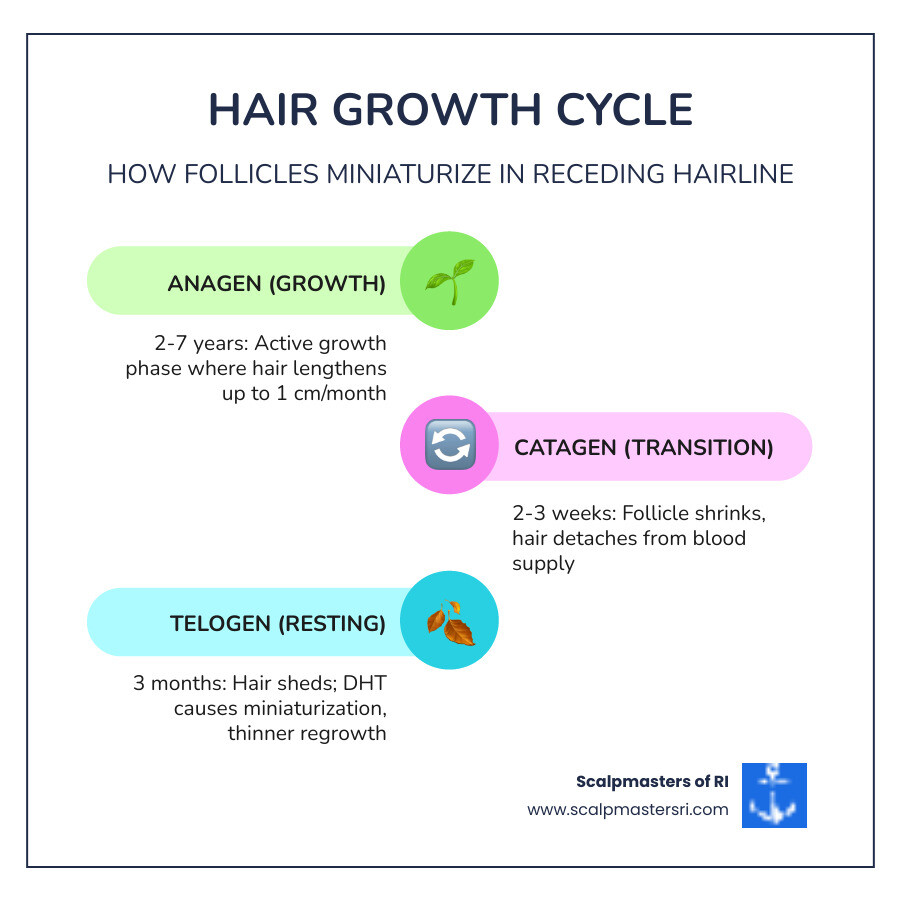
Here's what's happening underneath the surface: every day, the average person naturally loses 50 to 100 hairs. That's normal. Hair goes through a growth phase ( anagen ) and a resting phase ( telogen ). When the growth phase shortens and the resting phase takes over — often triggered by genetics, hormones, stress, or poor nutrition — hair starts to thin faster than it regrows.
The good news? Early intervention matters. The sooner you act, the more follicles you can protect. And there are real, research-supported natural approaches worth trying before reaching for medications or procedures.
This article walks through the most effective ones.
Understanding the Causes of a Receding Hairline
Before we can tackle the problem, we have to understand the "why." Think of your hair follicles like tiny plants. If the soil is poor, the water is toxic, or the DNA of the seed is programmed to stop growing, the plant withers.
For about 80% of men, the culprit is Androgenetic Alopecia, commonly known as male pattern baldness. This is largely driven by genetics and a hormone called Dihydrotestosterone (DHT). DHT is a byproduct of testosterone that binds to receptors in your scalp follicles, causing them to "miniaturize." This means the follicle shrinks, the hair grows back thinner and shorter each cycle, until eventually, it stops growing altogether.
However, genetics isn't the only player on the field. Other common factors include:
- Aging: As we get older, the rate of hair growth naturally slows down.
- Chronic Stress: High levels of cortisol can push hair follicles into a premature "resting" phase (Telogen Effluvium), leading to significant shedding.
- Nutrient Deficiencies: If you aren't getting enough iron, zinc, or protein, your body deprioritizes hair growth to save energy for vital organs.
- Traction Alopecia: This is caused by physical "pulling." Tight man-buns, braids, or heavy extensions can literally pull the hair out by the root, eventually scarring the follicle.
- Lifestyle Factors: Smoking and a diet high in saturated fats have both been linked to accelerated hair loss.
Many people also wonder, is an uneven hairline normal? The answer is often yes—very few people have perfect symmetry—but if one side is retreating significantly faster than the other, it’s usually a sign of early recession. For more on the clinical perspective, you can read about 9 ways to fix a receding hairline, according to dermatologists.
Top Essential Oils as a Receding Hairline Natural Solution
If you’re looking for a receding hairline natural solution, essential oils are often the first line of defense. Unlike harsh chemicals, these plant-derived extracts work by stimulating blood flow, reducing inflammation, or blocking DHT locally on the scalp.
Rosemary Oil
This is the "heavy hitter" of the natural world. In a well-known study, rosemary oil was compared to 2% minoxidil. After six months, both groups showed a significant increase in hair count, but the rosemary oil group reported less scalp itching. It works by improving circulation and potentially preventing DHT from binding to follicles.
Peppermint Oil
Ever felt that "tingle" from peppermint? That’s the menthol increasing blood flow to the area. Research suggests that peppermint oil can increase the number of follicles and the depth of the follicles, helping hair stay anchored longer.
Pumpkin Seed Oil
This oil is unique because it can be used topically or taken as a supplement. It acts as a natural DHT blocker. In clinical trials, men who used pumpkin seed oil saw a noticeable increase in hair count compared to those who used a placebo.
Lavender and Cedarwood
Lavender oil has been shown in animal studies to speed up hair growth, while cedarwood is often used to balance the oil-producing glands in the scalp, creating a healthier environment for growth.
Carrier Oils: The "Base"
You should never apply essential oils directly to your skin—they are too potent. You need a carrier oil.
- Coconut Oil: Rich in fatty acids, it penetrates the hair shaft to reduce protein loss.
- Jojoba Oil: Its chemical structure is very similar to our skin's natural sebum, making it an excellent moisturizer that won't clog pores.
For those in New England looking for professional guidance on these topicals, exploring receding hairline solutions can help you decide which oils fit your specific hair type.
How to Apply a Receding Hairline Natural Solution at Home
Consistency is the secret sauce. You can't apply oil once and expect a mane like a lion the next morning.
- The Mix: Add 3–5 drops of your chosen essential oil (like rosemary) to a tablespoon of carrier oil (like jojoba or coconut).
- The Application: Focus on the "recession zones"—the temples and the front hairline. Use your fingertips to massage the oil in for at least 5 minutes.
- The Wait: Leave the oil on for at least 30 minutes. Some people prefer a nightly routine where they leave it on overnight (just use an old pillowcase!).
- The Rinse: Wash with a gentle, sulfate-free shampoo.
According to the Best Natural Treatment for Receding Hairline in 2025, daily or at least thrice-weekly application is necessary to see results.
Best Foods for a Receding Hairline Natural Solution
You are what you eat, and your hair is made of what you eat. Specifically, hair is made of a protein called keratin. If you're looking for a receding hairline natural solution, start in the kitchen.
- Lean Protein: Chicken, turkey, and Greek yogurt provide the building blocks for hair.
- Fatty Fish: Salmon and mackerel are loaded with Omega-3 fatty acids, which provide the oils that keep your scalp hydrated.
- Leafy Greens: Spinach and kale are high in iron. Iron deficiency is one of the leading causes of thinning, especially in women.
- Biotin-Rich Eggs: Biotin is a B-vitamin essential for the production of hair protein.
- Zinc and Vitamin D: Found in oysters, beans, and fortified cereals, these minerals help the hair tissue grow and repair itself.
If your diet is lacking, you might need a more targeted thinning hairline treatment strategy that combines nutrition with scalp care.
Natural DHT Blockers and Nutritional Supplements
As we mentioned, DHT is the "villain" in the story of male pattern baldness. While pharmaceutical blockers exist, many people prefer natural alternatives to avoid potential side effects.
Saw Palmetto
This is perhaps the most famous natural DHT blocker. It comes from a type of palm tree and is believed to inhibit the enzyme (5-alpha reductase) that converts testosterone into DHT. In one study, 83.3% of participants reported increased hair density after using saw palmetto.
Green Tea and Pygeum Bark
Green tea contains epigallocatechin gallate (EGCG), which has been shown to protect hair follicles and potentially block DHT. Pygeum bark is another herbal extract often used in prostate health that has shown promise in slowing hair loss.
Supplements for Support
- Biotin: While it won't regrow hair on its own if you aren't deficient, it supports the keratin infrastructure.
- Selenium: Helps the body process antioxidants, which protect follicles from environmental damage.
- Pumpkin Seed Oil Capsules: A convenient way to get the DHT-blocking benefits of pumpkin seeds without the mess of oil.
For a deeper dive into how these stack up against medical options, check out 12 Ways to Stop a Receding Hairline.
Lifestyle Changes and Scalp Stimulation Techniques
Sometimes, the best receding hairline natural solution doesn't come in a bottle—it comes from your own hands.
Scalp Massage
This is more than just a relaxation technique. A study of 330 people found that after six months of daily scalp massages (about 11-20 minutes a day), 70% noticed less hair loss or increased growth. Massage works by:
- Increasing Blood Flow: Delivering oxygen and nutrients directly to the root.
- Stretching Follicle Cells: Research suggests that the mechanical "stretching" of the dermal papilla cells actually signals them to produce thicker hair.
Stress Management
Chronic stress keeps your body in "survival mode." When cortisol is high, hair growth is considered a "luxury" the body can't afford. Practices like Yoga and Meditation aren't just for your mind; they're for your hairline. Lowering your stress levels can stop Telogen Effluvium in its tracks.
Smoking Cessation
Smoking restricts blood flow throughout the entire body—including the tiny capillaries that feed your hair follicles. Quitting is one of the best things you can do for your scalp health.
Gentle Hair Care
Stop "manhandling" your hair. Switch to a microfiber towel instead of rubbing vigorously with cotton. Avoid high-heat blow dryers and tight hats. Learning how to prevent a receding hairline often starts with being gentler during your morning routine.
Frequently Asked Questions about Natural Hairline Recovery
How long does it typically take to see results from natural remedies?
Patience is mandatory. Hair grows at a rate of about half an inch per month. Because hair goes through long resting phases, it usually takes 3 to 6 months of consistent daily treatment to see a visible change in density or a reduction in shedding. We always recommend taking "before" photos at the temples to track your progress.
Can natural remedies effectively stop or reverse a receding hairline?
It depends on the cause. If your hair loss is due to stress, poor diet, or environmental factors, natural remedies can be incredibly effective at reversing the damage. If your hair loss is purely genetic (Androgenetic Alopecia), natural remedies are excellent for slowing down the process and improving the health of existing hair, but they may not be able to fully "regrow" a hairline that has already scarred over.
When should someone consult a doctor instead of relying on natural solutions?
Natural solutions are great for gradual thinning, but you should see a professional if you experience:
- Rapid Shedding: Losing large clumps of hair suddenly.
- Patchy Loss: Circular bald spots rather than a receding line.
- Scalp Pain or Itching: This could indicate a fungal infection or skin condition.
- Loss of Eyebrows or Body Hair: This may point to an autoimmune issue like Alopecia Areata.
Conclusion
Taking a holistic approach to your hair health is always the best first step. By combining a receding hairline natural solution like rosemary oil with a better diet and daily scalp massages, you give your follicles the best possible environment to thrive.
However, we know that for some, natural remedies might not provide the "full" look they desire, especially if the recession is advanced. That’s where we come in.
At Scalpmasters of RI, located in Cranston and serving the New England area (including Boston and Connecticut), we specialize in Scalp Micropigmentation (SMP). Our founder’s extensive experience and artistry allow us to create incredibly natural-looking hairlines and add the appearance of density to thinning areas. Think of it as the ultimate "confidence restorer" that works perfectly alongside your natural hair care routine.
Whether you're just starting with oils or looking for a permanent way to frame your face again, we're here to help. Explore hair loss treatment options for men with receding hair and see how we can help you reclaim your look.
Learn More
What's New
Latest Hair Loss Solutions & Guides