How To Prevent Receding Hairline
How To Prevent Receding Hairline
A receding hairline can be a source of concern for countless people, signaling the onset of hair loss. Understanding how to prevent a receding hairline begins with recognizing its early signs and causes. Scalpmasters of Rhode Island specializes in addressing hair loss, offering expert guidance and treatment options. We aim to help you understand and manage this common condition effectively.
Hairline recession is a cosmetic concern that can significantly impact self-confidence. Individuals can take proactive steps by identifying the early signs of a receding hairline, such as a changing hairline or thinning at the top of the head. At Scalpmasters of Rhode Island, we provide personalized strategies and treatments to combat hairline recession. Our focus is on promoting hair regrowth and restoring your hairline's natural, youthful appearance.
Understanding Hairline Recession: Causes and Symptoms
A receding hairline, often a sign of male pattern baldness, is influenced by genetics and hormonal changes. This type of hair loss, known as androgenetic alopecia, usually starts with a thinning hairline and progresses over time. Dihydrotestosterone (DHT), a derivative of testosterone, plays a significant role in this process, causing hair follicles to shrink. Recognizing these changes early can be crucial in managing hairline recession.
Symptoms of a receding hairline include a noticeable change in the hairline's shape, particularly around the temples. This juvenile hairline can start receding as early as in one's 20s, marked by a more 'M' shaped hairline. Hair thinning on the top of the head is another sign, often accompanied by increased hair shedding. Understanding these symptoms is the first step in addressing hairline recession.
The Role of Genetics and Lifestyle in Hairline Recession
Genetics is a primary factor in hairline recession, with family history playing a significant role in determining the likelihood of developing male pattern hair loss. If a receding hairline is prevalent in your family, chances are higher that you might experience the same. However, genetics isn't the only factor, as lifestyle choices also contribute significantly to the health of your hair.
Lifestyle factors such as stress, poor nutrition, and harsh hair care practices can exacerbate hairline recession. A balanced diet, proper hair care, and stress management can help mitigate these effects. It's essential to understand that while you can't change your genetics, you can influence other contributing factors. At Scalpmasters of Rhode Island, we guide clients through lifestyle adjustments to promote hair health.
Early Intervention: Key Steps to Take
Early intervention is crucial when dealing with a receding hairline. Recognizing the first signs and taking action can significantly impact the effectiveness of treatment. A few key steps to follow include:
- Consult a Specialist: At the start of receding hairline, consulting with a hair loss specialist is essential. Scalpmasters of Rhode Island offers expert advice and assessment to determine the best course of action.
- Analyze Hair Care Practices: Evaluate your hair care routine. Over-styling or using harsh products can contribute to hair loss.
- Consider Medication: Early stages of hairline recession may respond well to medication. Options like Minoxidil or Finasteride can be effective in slowing hair loss.
- Adopt a Healthy Lifestyle: Diet and exercise play a significant role in hair health. A balanced diet rich in nutrients can stimulate hair growth.
- Scalp Massage: Regular scalp massages can improve blood flow to the scalp, potentially helping to maintain hair follicle health.
Remember, the sooner you address hairline recession, the more effective the treatment. Scalpmasters of Rhode Island is committed to providing comprehensive support and solutions.
Hair Care Tips to Prevent Further Recession
Maintaining a healthy hairline involves more than just treatment; it's about adopting the right hair care practices. A few important tips to help prevent further hairline recession include:
- Gentle Hair Handling: Avoid tight hairstyles and harsh treatments that can stress hair follicles.
- Proper Nutrition: A diet rich in vitamins and minerals supports hair growth. Focus on foods that are known to stimulate hair follicles.
- Avoid Harsh Chemicals: Choose hair products that are gentle and free of harmful chemicals.
- Regular Scalp Care: Keep your scalp clean and healthy. Regular washing and appropriate products can make a significant difference.
- Reduce Stress: High stress levels can contribute to hair loss. Engaging in stress-reduction activities like yoga or meditation can be beneficial.
By incorporating these practices into your daily routine, you can help maintain a healthy hairline and reduce the risk of further recession
Medical Treatments Available for Receding Hairlines
When it comes to treating a receding hairline, various medical options are available. These treatments range from topical applications to oral medications, each with its specific mechanism of action.
Among the popular treatments are Minoxidil, a topical solution, and Finasteride, an oral medication. Both have been proven effective in slowing down hair loss and, in some cases, promoting regrowth. Laser therapy and PRP (Platelet-Rich Plasma) treatments are also options, offering non-surgical alternatives. It's essential to consult with a specialist to determine the most suitable treatment for your specific type of hair loss. For many, scalp micropigmentation is a cost-effective treatment option for a receding hairline.
Natural Remedies and Their Effectiveness
In addition to medical treatments, many seek natural remedies to combat hairline recession. These alternatives focus on using natural ingredients and methods to promote hair health. While the effectiveness of these remedies can vary, many find them a valuable addition to their hair care regimen.
Herbal supplements, essential oils, and natural hair masks are commonly used for hairline maintenance. These remedies often aim to nourish the scalp and strengthen hair follicles. It's important to note that while natural remedies can be beneficial, they should be used in conjunction with professional advice.
Managing Expectations and Embracing Change
Dealing with a receding hairline is as much about managing expectations as it is about treatment. Understanding that hair loss is a natural process for many can help in adjusting to changes in appearance. At Scalpmasters of Rhode Island, we emphasize the importance of embracing these changes positively while also exploring treatment options that can provide you with the results you are looking for.
Having a supportive environment and access to professional advice can make a significant difference in how you perceive and manage hairline recession. It's about finding solutions that work for you and adapting to the changes in a way that maintains your confidence and self-esteem. Remember, a receding hairline doesn't define you. It is just one aspect of your overall appearance. Count on our experts to provide you with the support you need.
How Scalp Micropigmentation Can Help You
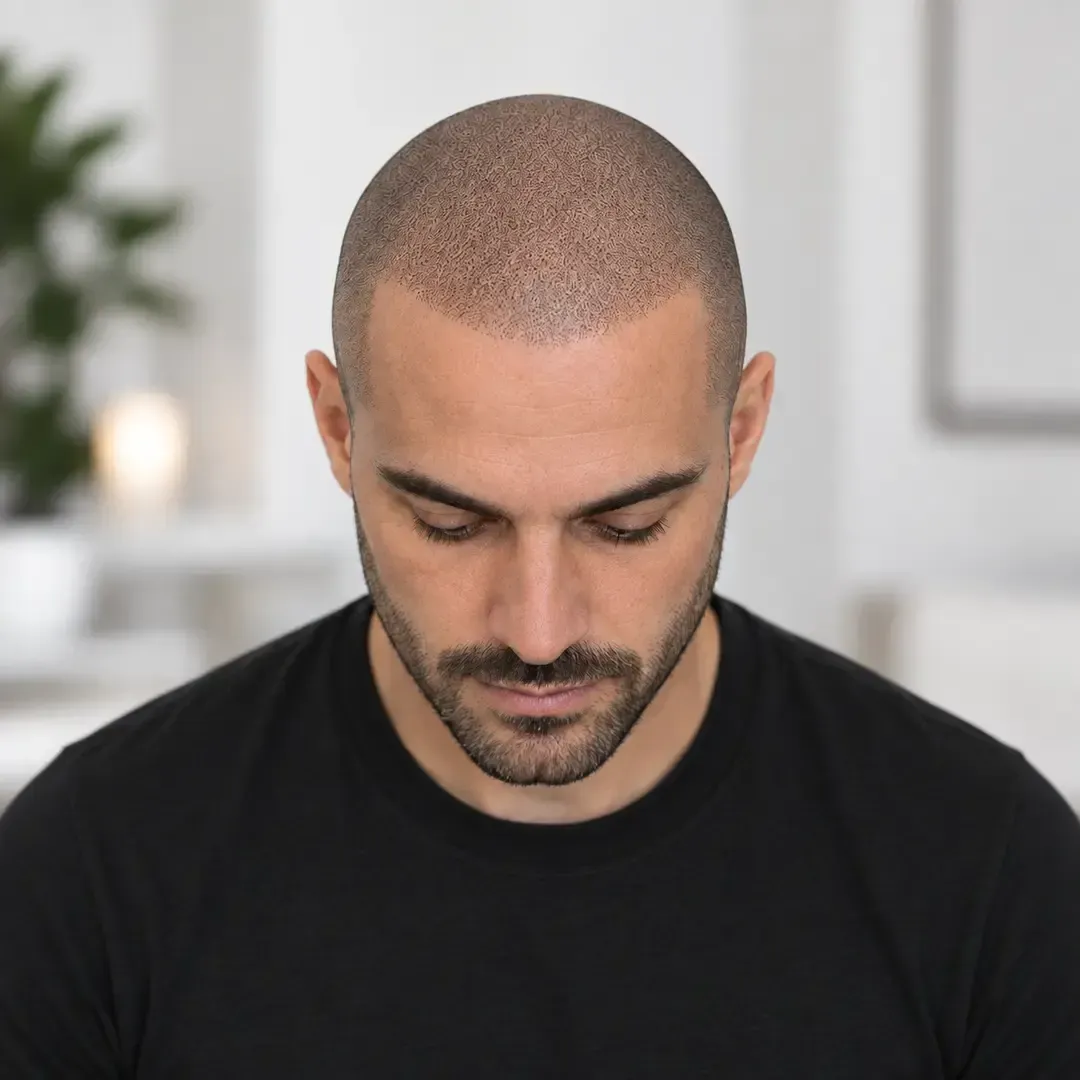
Scalp micropigmentation (SMP) is an innovative solution for those dealing with hairline recession. This non-surgical procedure involves applying natural pigments to the scalp, creating the appearance of a fuller head of hair. At Scalpmasters of Rhode Island, we specialize in SMP, providing a cosmetic solution that's both effective and natural-looking.
SMP is ideal for those who want an immediate improvement in their appearance without undergoing surgery. It's a versatile treatment, suitable for various stages of hair loss and different hair types. Our experienced team at Scalpmasters of Rhode Island ensures each SMP session is tailored to your specific needs, delivering results that enhance your natural features. Let our team walk you through this process.
Reach Out To Scalpmasters of Rhode Island for an Appointment
If you're struggling with a receding hairline, know that you're not alone. Scalpmasters of Rhode Island is here to support you every step of the way. From initial consultation to treatment and aftercare, our team is dedicated to helping you achieve the best possible outcome.
Take the first step towards reclaiming your confidence. Reach out to Scalpmasters of Rhode Island today to schedule your appointment. We offer a range of solutions, including scalp micropigmentation, to address your specific hair loss concerns. Let us help you embark on a journey to a fuller, more confident you. Contact us today to schedule an appointment!
Learn More
What's New
Latest Hair Loss Solutions & Guides