Got Scalp Microgimentation Questions? We’ve Got Answers.
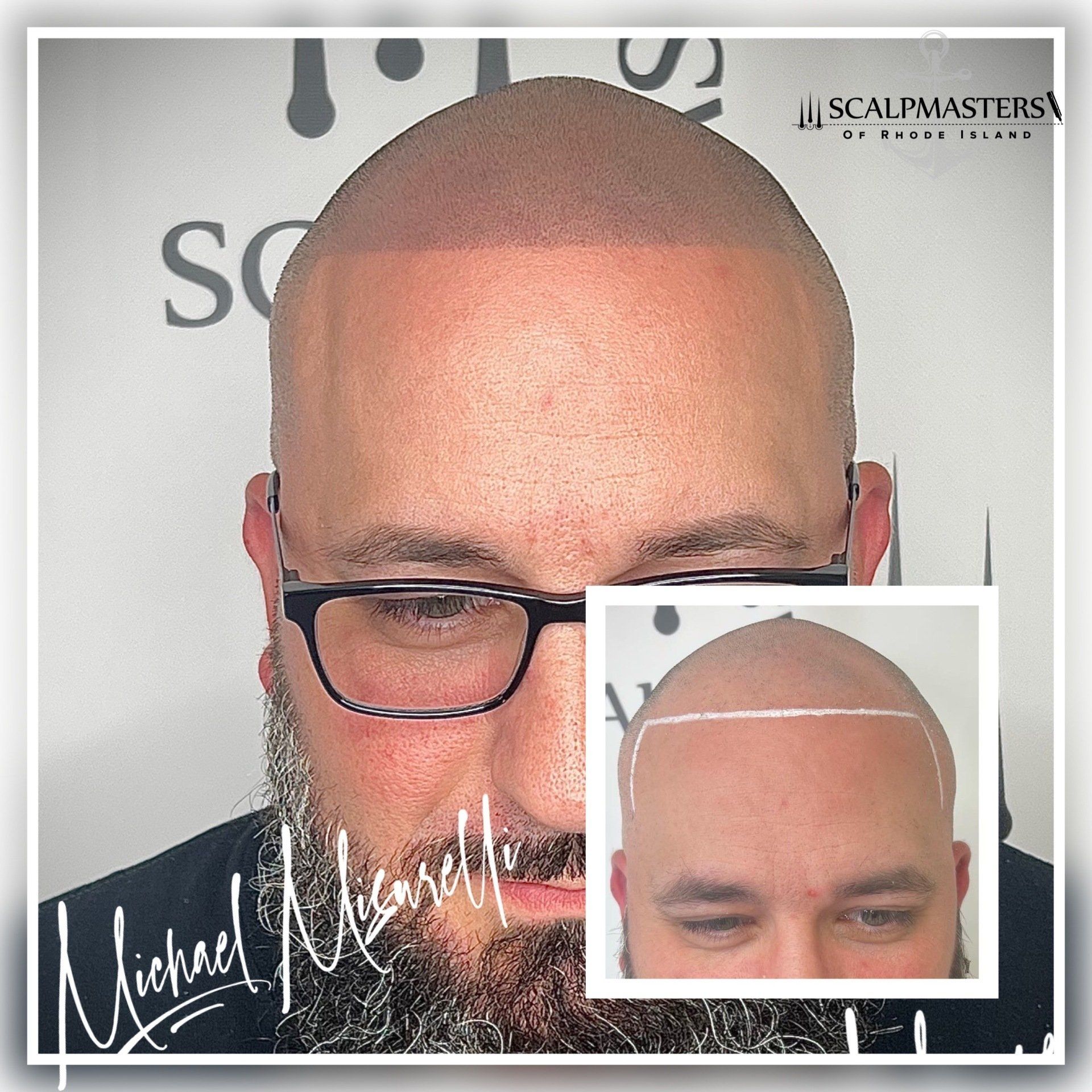
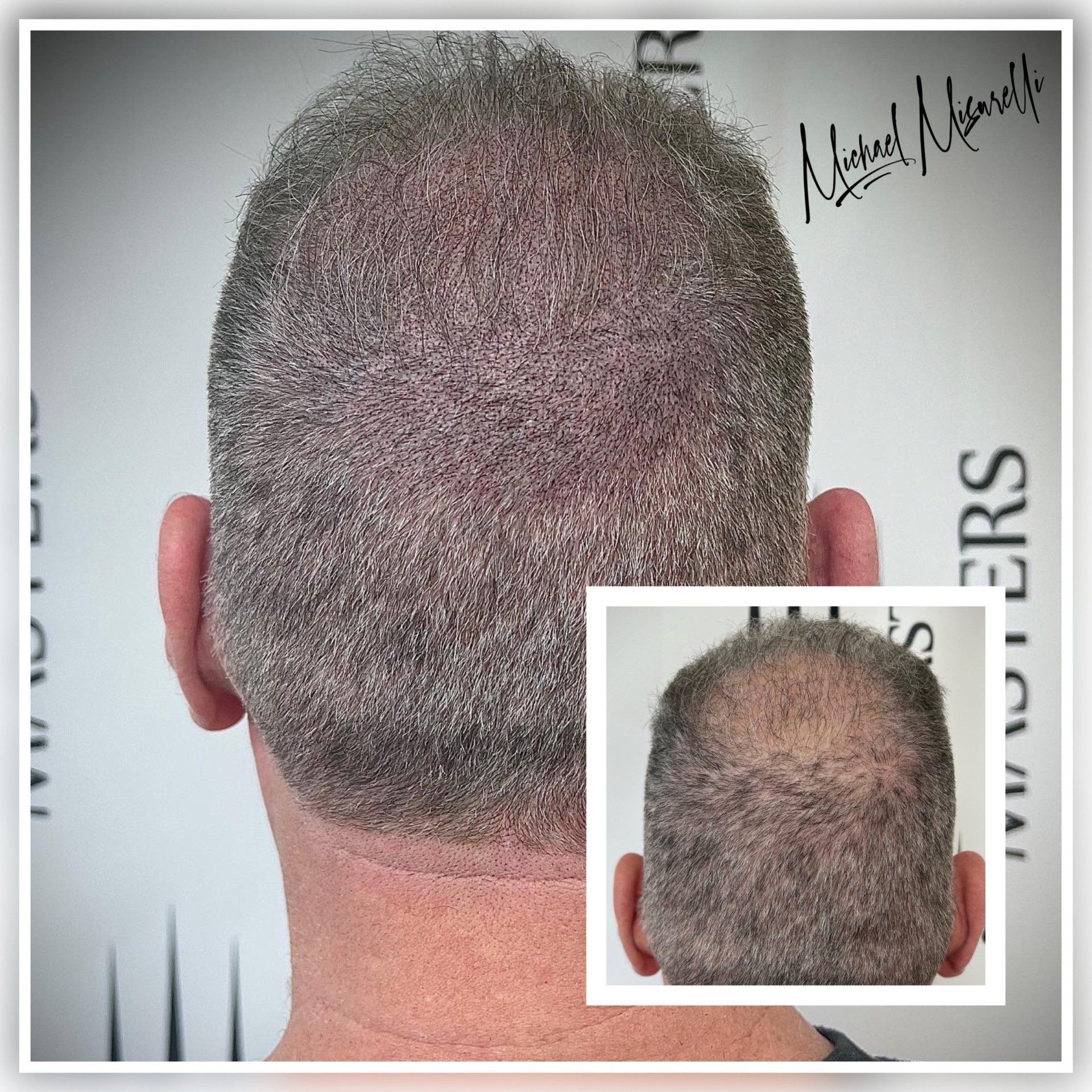
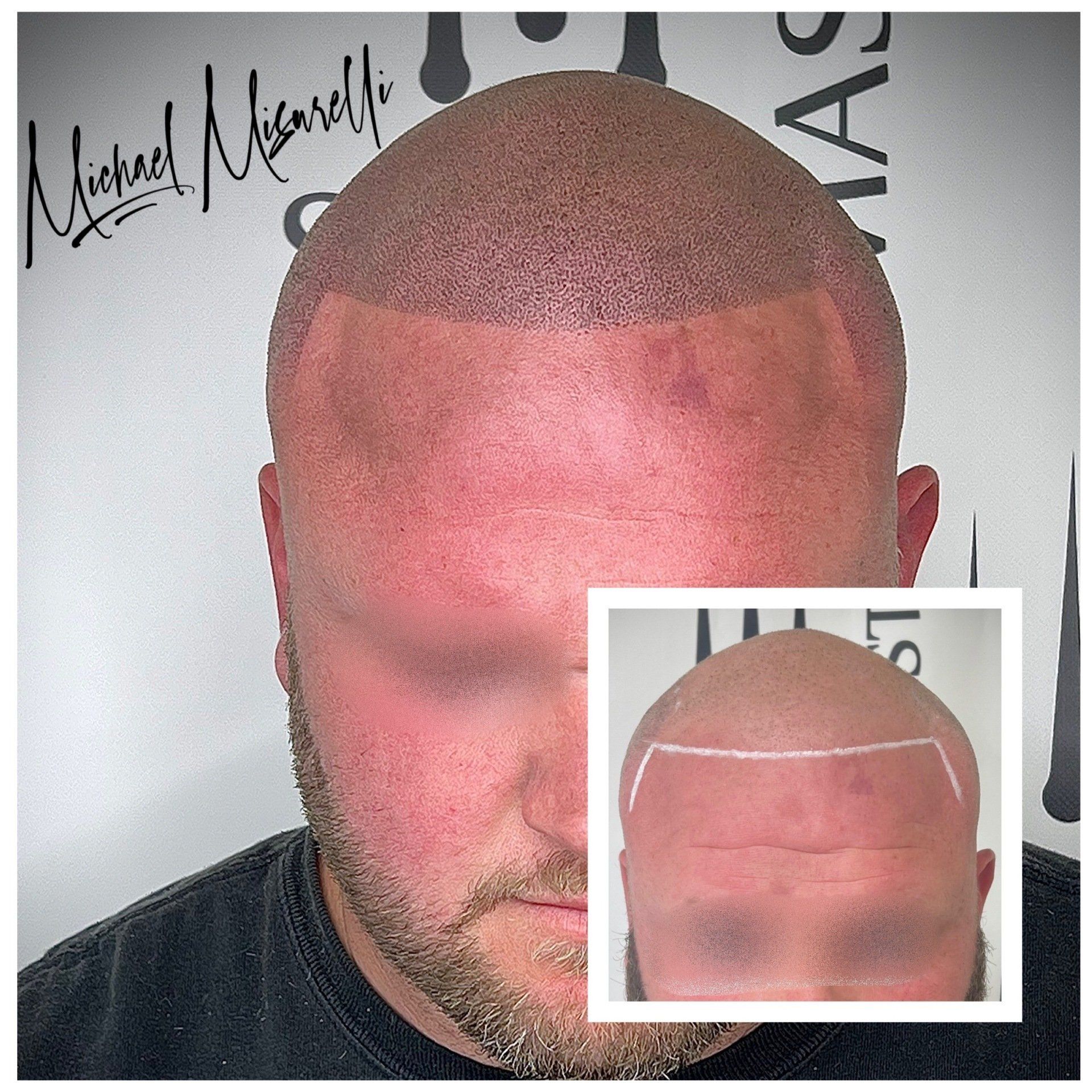
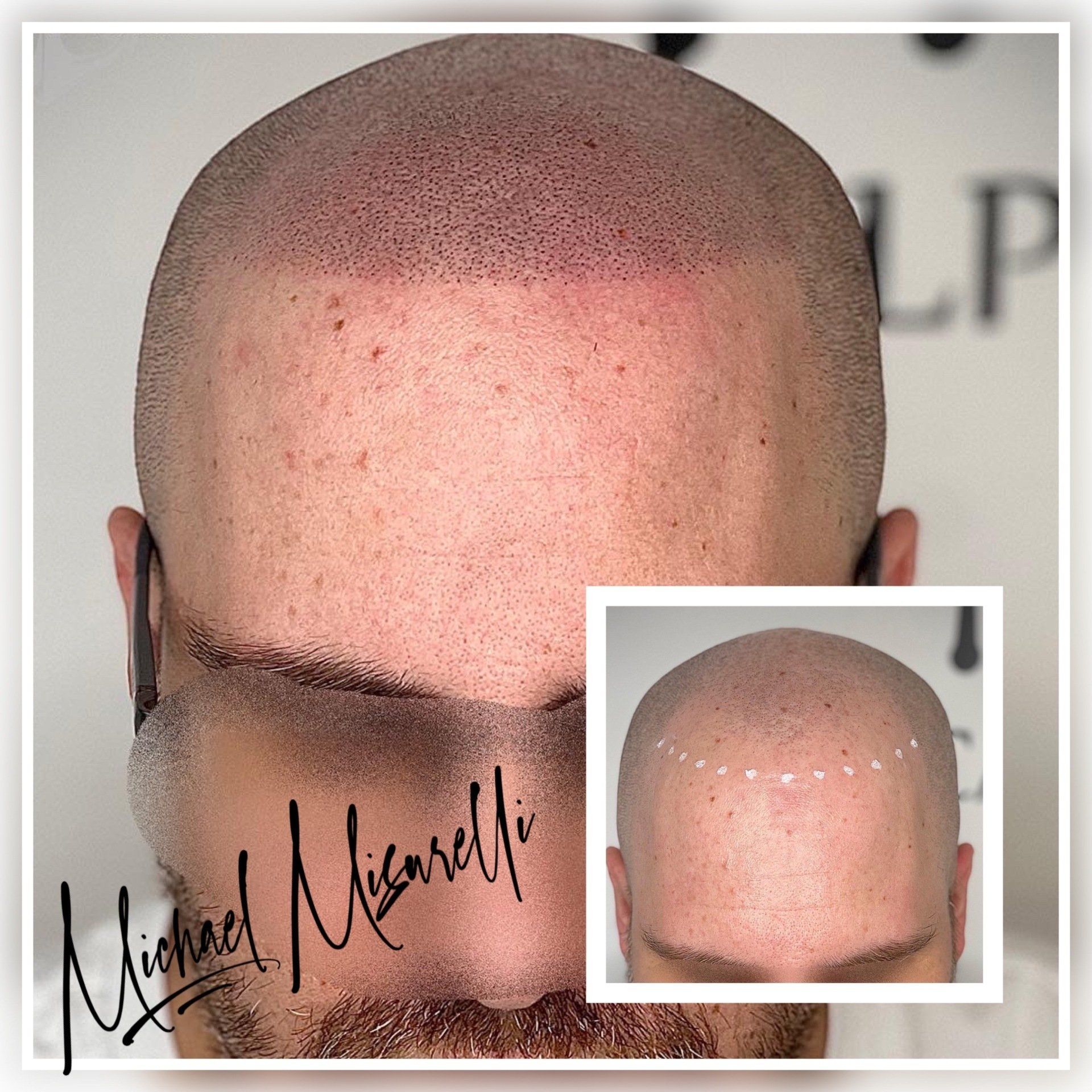
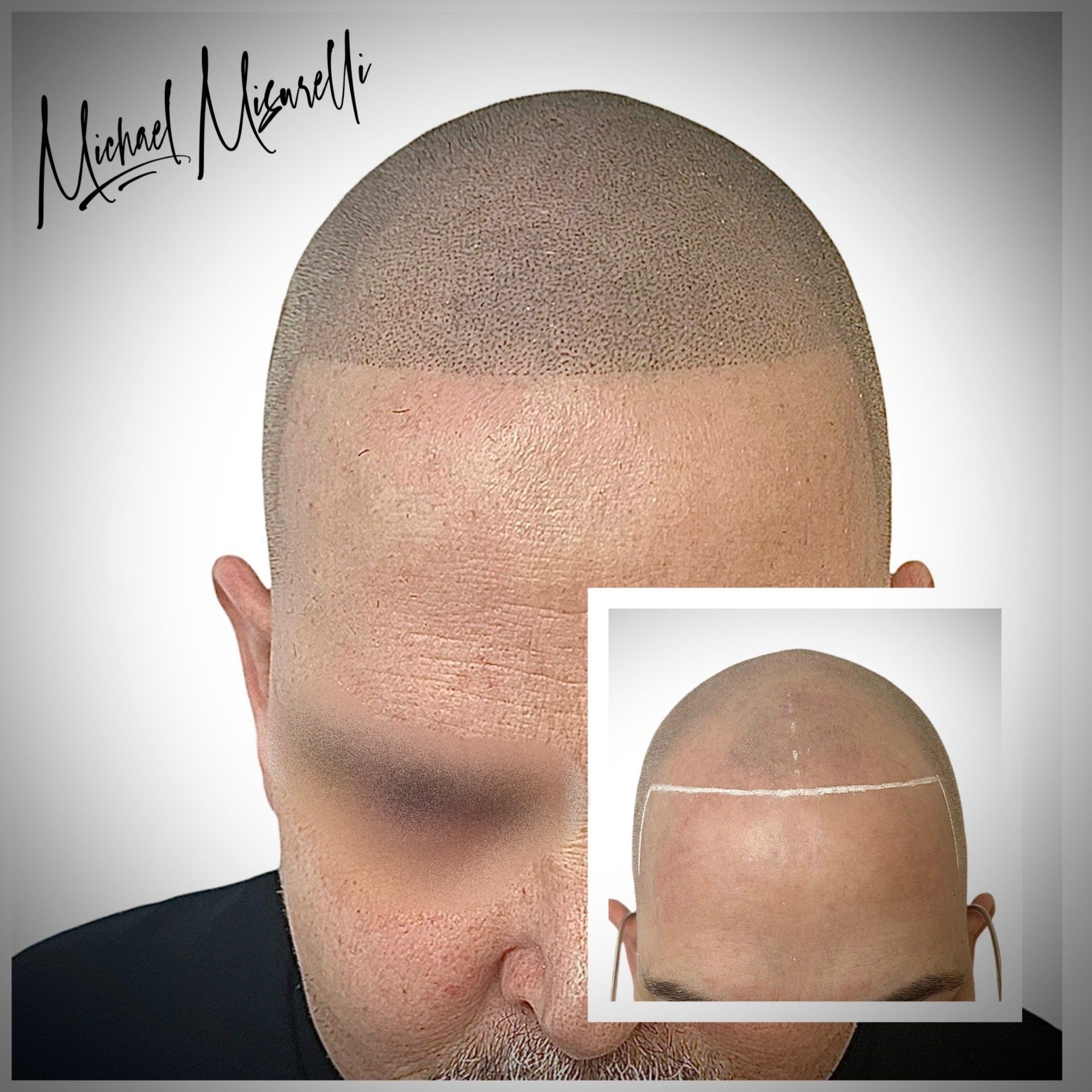
Losing your hair due to alopecia is a traumatic experience. Lucky for you, scalp micropigmentation for alopecia is a great option to try to mimic the appearance of real hair. On a basic level, it’s a scalp tattoo for hair loss that is a semi-permanent solution to fill in those blank spaces where the hair used to grow. Some people refer to this as an alopecia tattoo or SMP for alopecia, but the practitioners who perform this service at ScalpMasters are the best in the business. They distribute the specialized pigment for the hair loss head tattoo in a way that looks seamless and natural.
For the 30 million people going through losing their hair in America, it may be beneficial to learn if scalp micropigmentation for alopecia is the option to use, especially if you’ve tried other solutions that haven’t worked well. In the United States alone, the statistics for those with alopecia number almost 6 million, according to the National Alopecia Areata Foundation. The scalp micropigmentation for alopecia works for both men and women with hair loss. Let’s look at some additional facts and details about SMP for alopecia to figure out if it’s right for your own hair loss struggles.
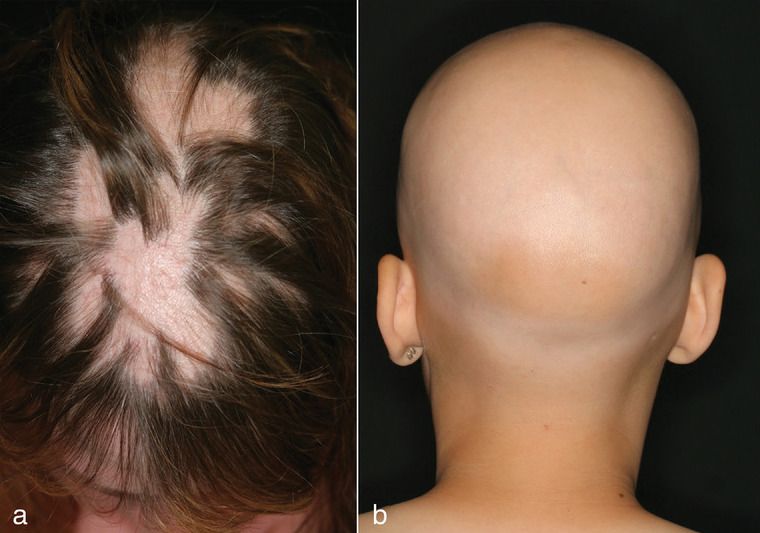
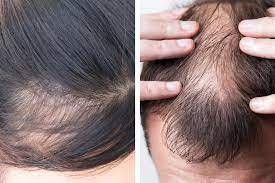
In looking at the broad definition of alopecia, it’s an autoimmune condition that leads to hair loss. The body’s immune system literally attacks the hair follicles, which then causes the hair to fall out. Head tattoos for hair loss are best used if the alopecia is patchy, but it truly can replace thousands of hair follicles.
Different types of alopecia come from specific root causes and have symptoms that vary in people who need a scalp tattoo for hair loss. All of these conditions can cause partial or sometimes total hair loss.
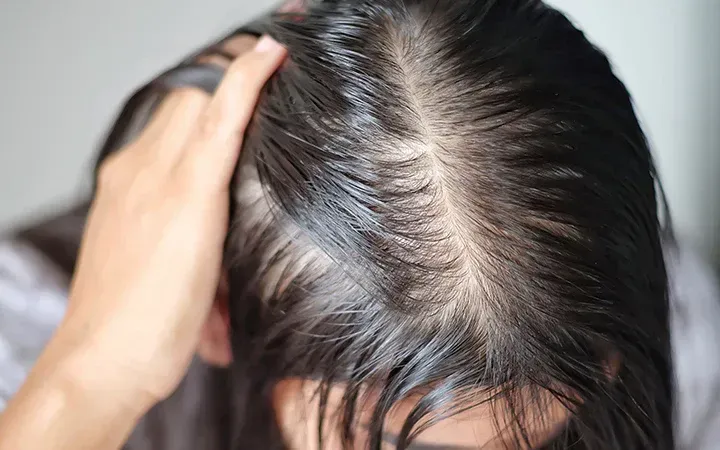
Androgenic Alopecia: The most common form of alopecia that happens to both men and women due to genetic factors.
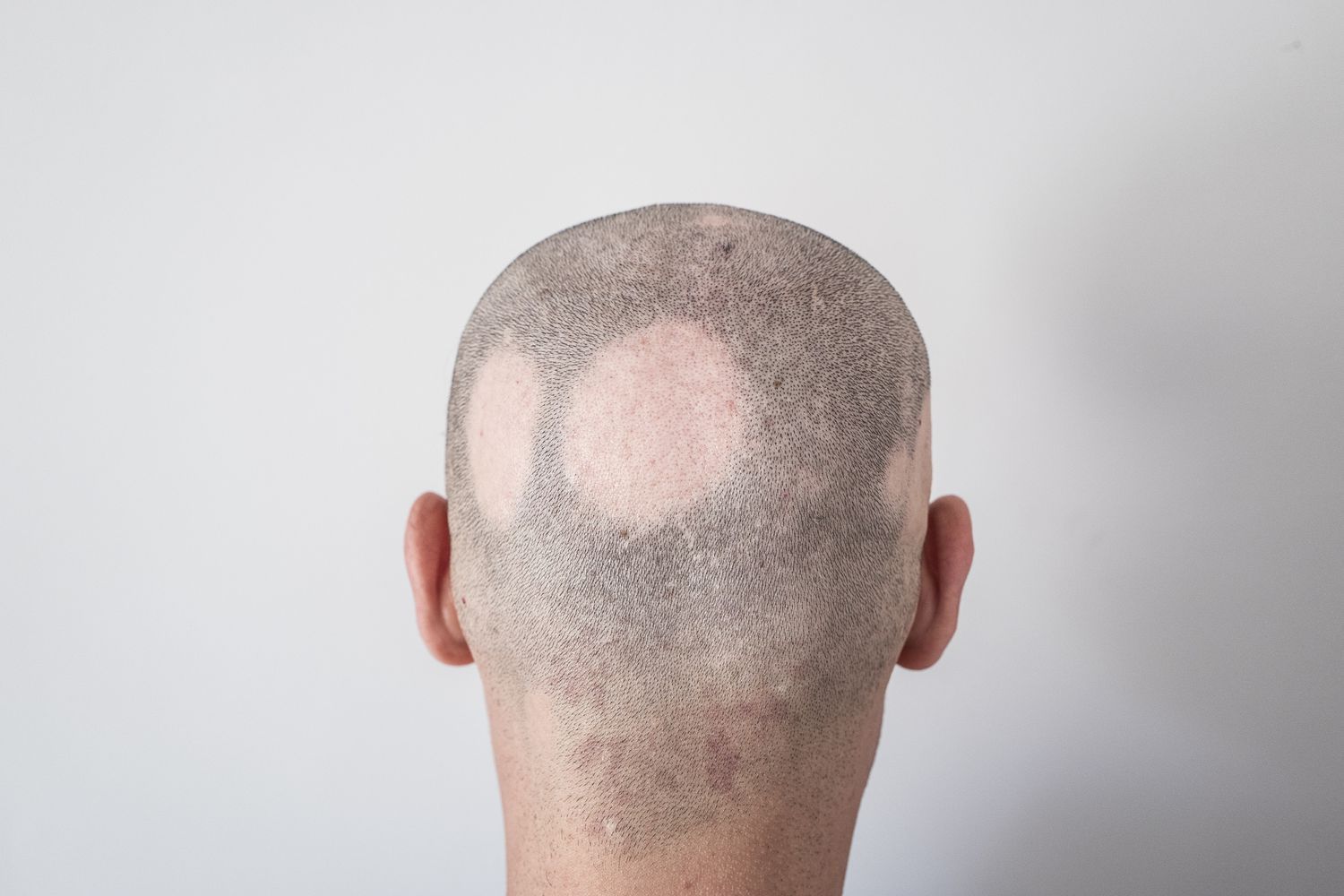
Alopecia Areata: Sudden hair loss that falls out in circular patches, and is divided into different categories.
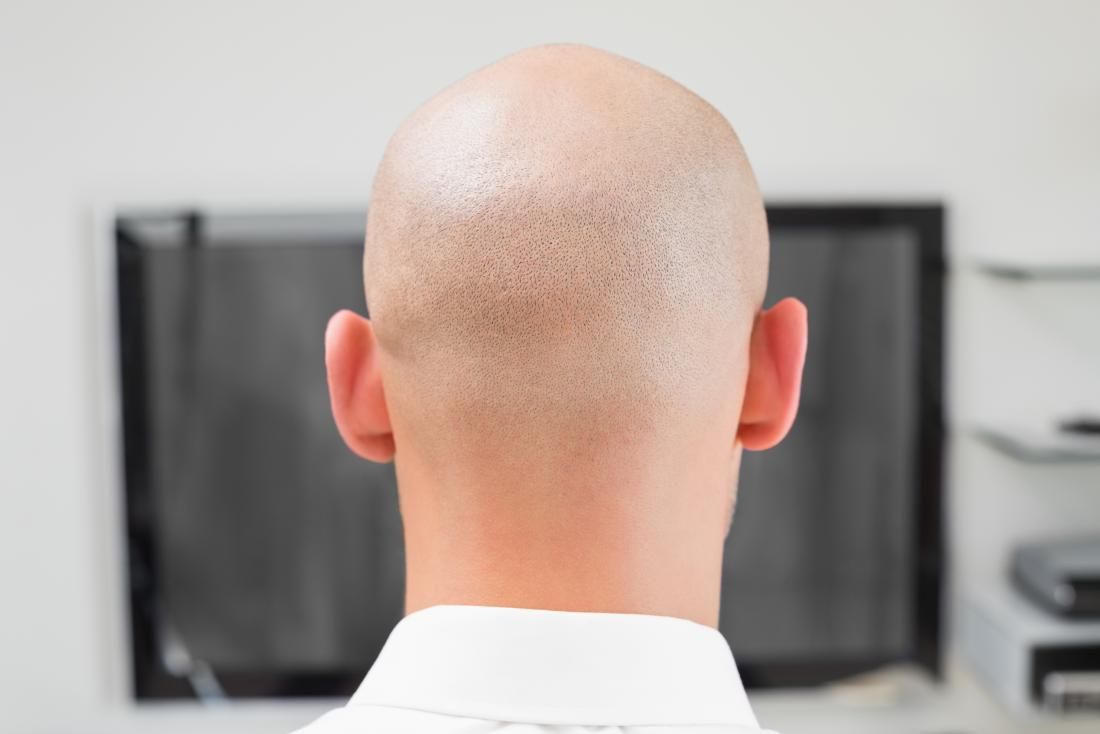
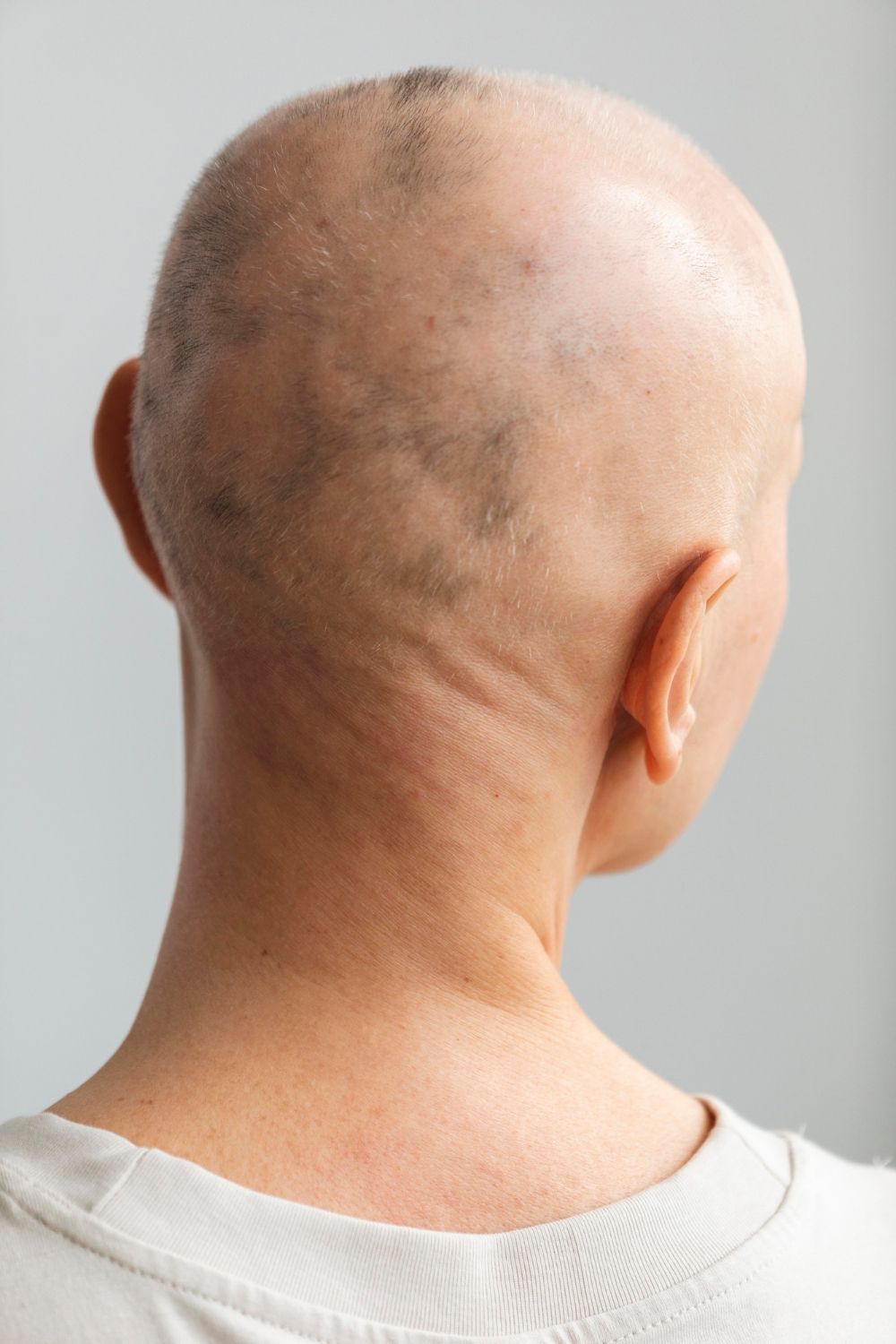
Alopecia Totalis: A type of alopecia areata where it refers to complete and total hair loss.
Alopecia Universalis: A rare form of alopecia where total hair loss occurs, similar to alopecia totalis.
Traction Alopecia: This form occurs due to the pulling or tugging on the hair follicles, like in certain hairstyles or weaves, which usually can be reversed and may not need a hair loss head tattoo.
OUR SERVICES
GET A FREE
CONSULTATION
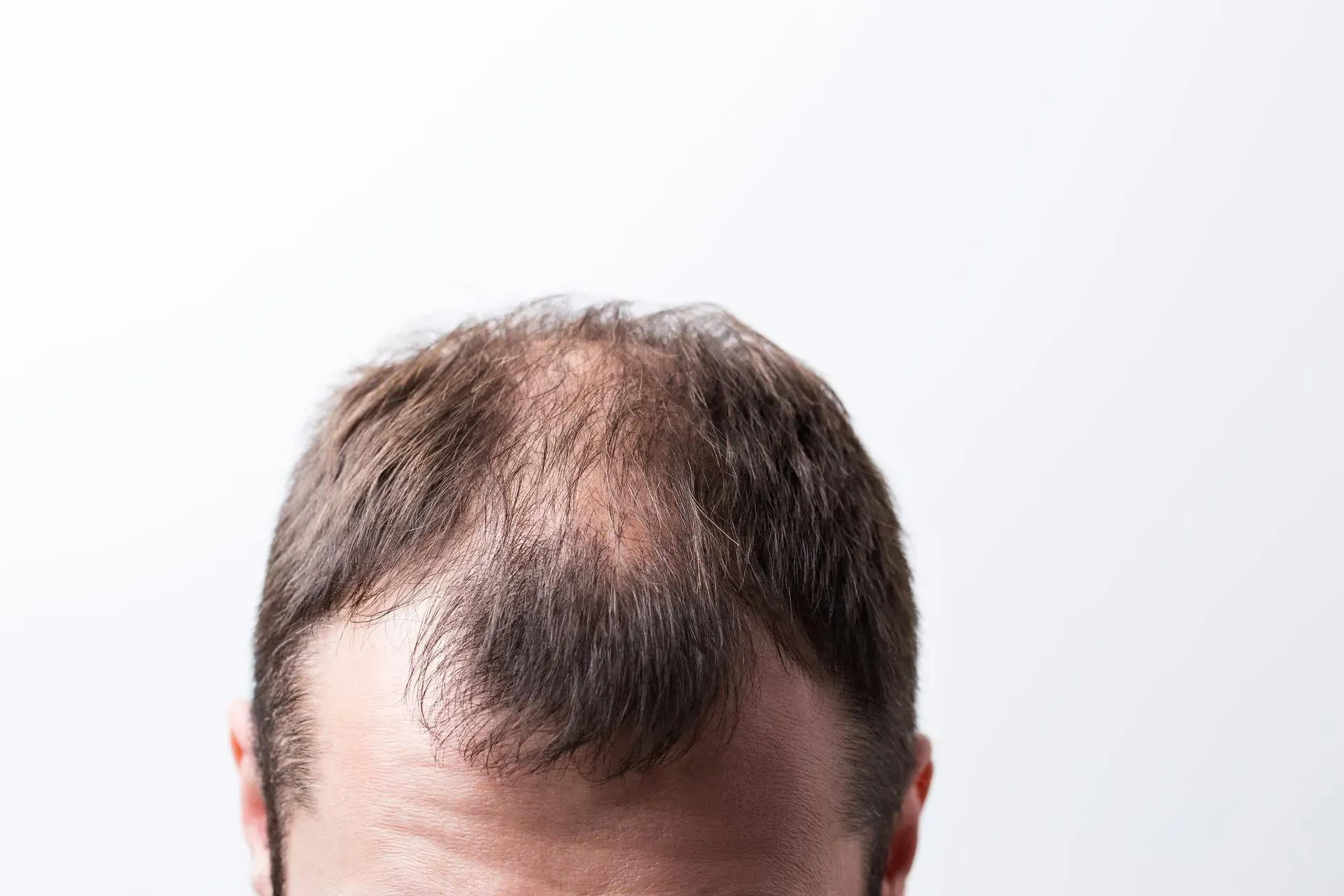
The most common form of alopecia is androgenic alopecia, which can happen to both men and women. Sometimes this is referred to as male or female pattern baldness. It’s a hereditary condition that comes from hormonal issues. Men are more likely to have partial or total hair loss, while women usually have problems with thinning.
There are other factors at play that contribute to hair loss, besides genetics. Some of those include age and lifestyle factors such as smoking, excess alcohol abuse, a poor diet, or certain medications that you need to take for other illnesses.
There are other treatments besides head tattoos for hair loss that will treat alopecia. Although, getting a tattoo on head for hair loss is one of the best choices to make. Other treatments can be medical in conjunction with what your normal doctor recommends, or things like shampoos and topical treatments to help stimulate hair growth. Hair transplants are another option that when combined with scalp micropigmentation can truly make you look like you have a full head of hair again.
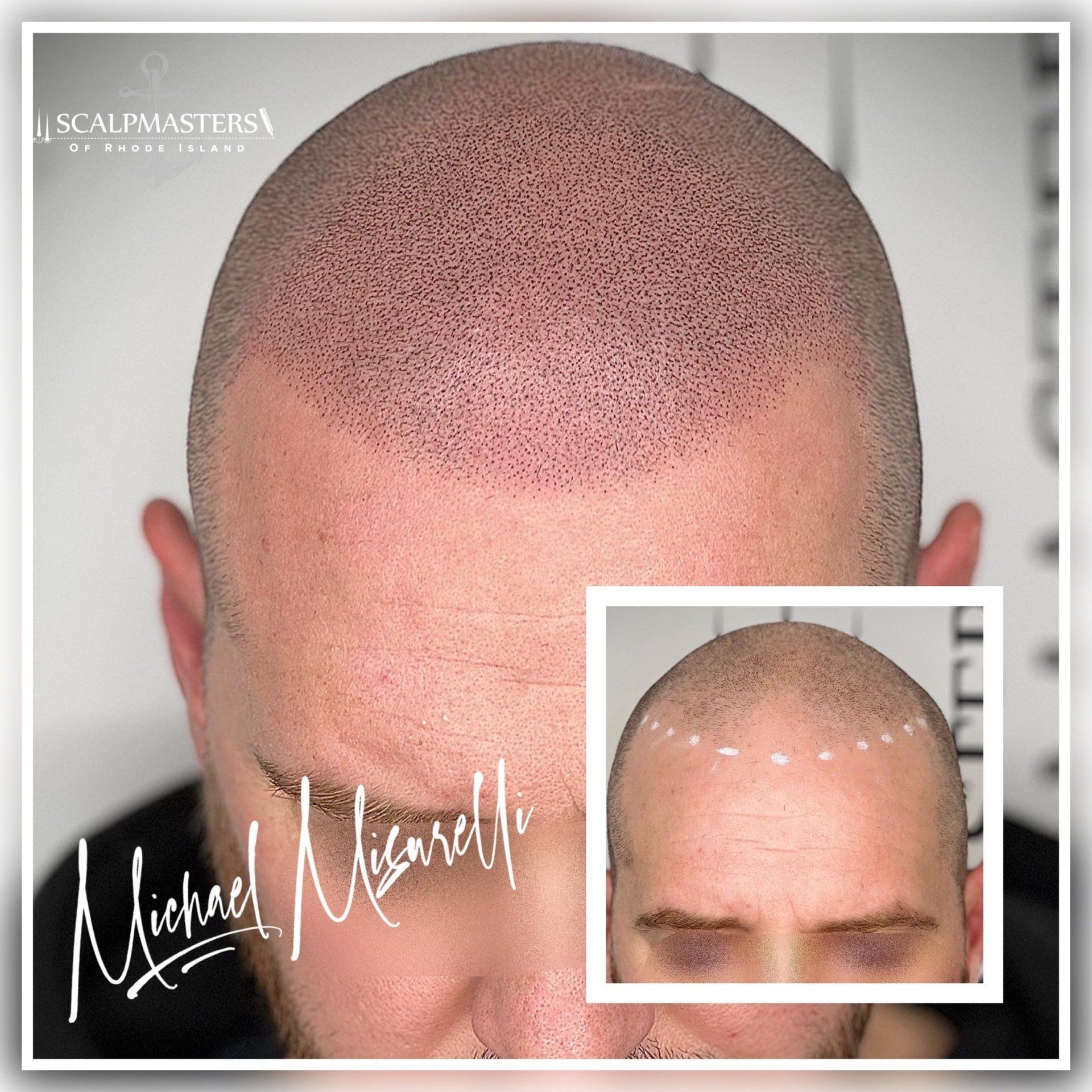
Scalp micropigmentation for alopecia in a tattoo on head for hair loss, uses a special type of microneedle that deposits a layer of darker pigment that is geared towards matching your natural hair color.
SMP for alopecia usually takes a few sessions to undergo in fully treating the affected areas of hair loss. At ScalpMasters we will customize the best form of SMP for alopecia that will work with the style you desire, type of hair loss, and the way that your scalp looks.
During the procedure, the microneedle deposits the pigment, and then the area will develop of scab that will later fall off, just leaving the dot of color on the scalp. It may appear darker, but this is to help the fact that the pigment will eventually lighten over time. Different shades are used to make the micropigmentation appear more natural and customized to the client’s needs.
The ink fading will be different for each person’s body. It’s hard to tell exactly how long the ink will last since everyone’s immune response varies. Some future micropigmentation might need to be done to touch up the work. This is completely normal.
Overall, you’ll love the results of scalp micropigmentation for alopecia because it will seem like you have a fuller head of hair. Don’t let hair loss get you down, make the choice to come see our specialists at ScalpMasters to find out if scalp micropigmentation for alopecia is right for you.

1000+
*Satisfied Scalp Micropigmentation Clients
Michael Misurelli, the founder has over 20 years of experience working as a licensed barber and is both certified and experienced to perform and perfect Scalp Micropigmentation.
Contact Information
Resources