

7 No-Nonsense Tips for Treating Receding Hairline
Why Finding the Right Receding Hairline Solutions Matters
Receding hairline solutions range from FDA-approved medications like minoxidil and finasteride, to lifestyle changes, hair transplants, and non-surgical options like scalp micropigmentation. The most effective approach often combines multiple treatments custom to your specific type of hair loss.
Quick Overview of Your Options:
| Solution Type | Examples | Best For |
|---|---|---|
| Medical Treatments | Minoxidil, Finasteride, LLLT | Slowing loss, promoting regrowth |
| Lifestyle Changes | Diet, stress management, scalp massage | Supporting overall hair health |
| Surgical Options | FUE, FUT hair transplants | Permanent restoration |
| Non-Surgical Cosmetic | Scalp Micropigmentation (SMP) | Immediate appearance improvement |
| Natural Remedies | Essential oils, DHT-blocking foods | Complementary support |
If you're one of the 50 million men or 30 million women in the United States affected by androgenetic alopecia, you already know how much a receding hairline can impact your confidence. A 2020 poll found that almost two-thirds of men aged 18-24 were "terrified" of going bald.
The good news? You have options.
Whether your hairline started receding in your twenties or you're noticing changes later in life, understanding what's happening and what you can do about it is the first step. By age 70, nearly 80% of males and 50% of females experience some form of hair loss, but that doesn't mean you have to accept it without taking action.
The key is finding the right combination of solutions that work for your situation, budget, and goals.

Tip 1: Understand the Root Causes of Your Receding Hairline
Before we dive into the exciting world of receding hairline solutions, let's get down to the root of the problem. A receding hairline isn't just bad luck; it's often a complex interplay of genetics, hormones, and lifestyle. Knowing the "why" behind your hair loss is crucial for choosing the most effective treatment.
The most common culprit behind a receding hairline is androgenetic alopecia, also known as male pattern baldness or female pattern hair loss. This condition is largely genetic. If your father or other close male relatives experienced hair loss, you could be significantly more likely to face a similar fate. In fact, research suggests that males whose fathers are bald could be 5-6 times more likely to lose their hair. The pattern of loss may even follow a similar progression through generations.
At the heart of androgenetic alopecia is a hormone called Dihydrotestosterone (DHT). DHT is a derivative of testosterone, and while it plays various roles in the body, it can be a real troublemaker for your hair follicles. For those genetically predisposed, DHT can miniaturize hair follicles, making them produce thinner, shorter, and more brittle hairs until they eventually stop producing hair altogether. This process speeds up the hair growth cycle and delays regrowth, leading to the thinning or baldness we associate with receding hairlines.
Hormonal changes aren't just for men, either. While men typically experience a distinct "M" or "U" shaped recession at the temples and crown, women more commonly face diffuse hair thinning across the middle of the head. However, hormonal fluctuations due to conditions like PCOS, pregnancy, or menopause can also impact female hairlines.
The natural aging process also plays a role. It's normal for our hairlines to mature and move slightly higher above the forehead as we get older, sometimes starting in our late teens or early twenties for men. This isn't necessarily "balding," but rather a natural evolution of the hairline. However, when combined with genetic and hormonal factors, this maturation can turn into a more noticeable recession.
Understanding these underlying causes helps us manage expectations and select the most appropriate treatments.
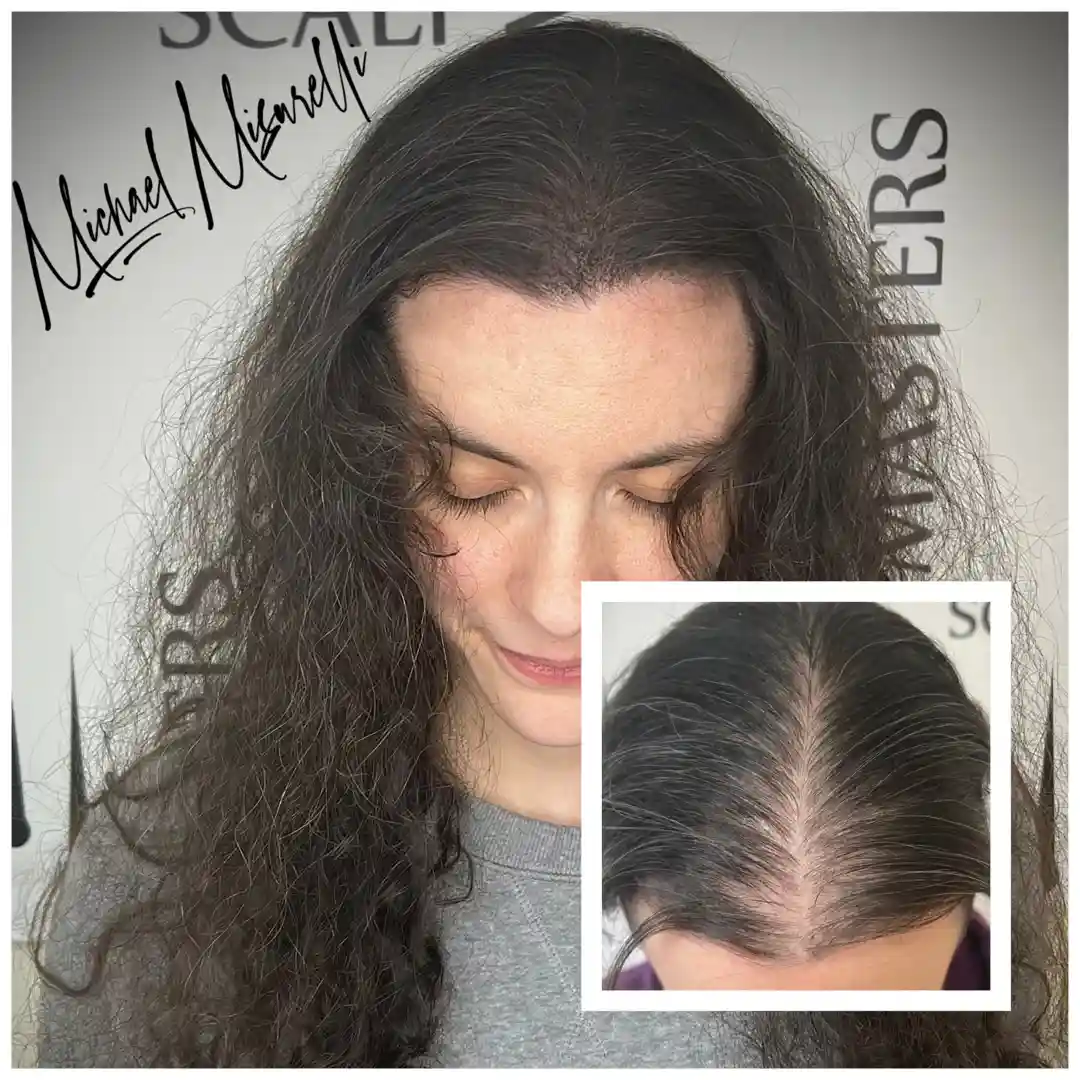
Tip 2: Explore Medically-Proven Receding Hairline Solutions
When it comes to effective receding hairline solutions, medical science offers some powerful tools. These aren't just quick fixes; they're treatments designed to slow down hair loss and, in many cases, stimulate new growth.
The two most well-known and FDA-approved treatments for hair loss are Minoxidil and Finasteride:
- Minoxidil (Rogaine): This is an over-the-counter topical treatment, available as a liquid or foam. Minoxidil works by widening blood vessels and increasing blood flow to the hair follicles, which can stimulate growth and extend the hair's growth phase. It's generally more effective for thinning on the top and crown of the scalp, but some individuals find it helps with hairline recession as well. A 2015 study found that topical minoxidil causes new hair growth in approximately 40 percent of people who use it.
- Finasteride (Propecia): This is a prescription oral medication primarily for men. Finasteride works by inhibiting the enzyme 5-alpha-reductase, which is responsible for converting testosterone into DHT. By lowering DHT levels, Finasteride can significantly slow down or stop hair loss and promote new hair growth. Research indicates that Finasteride has been found to promote scalp hair growth and stop hair loss.
Dutasteride is another medication that works similarly to Finasteride by blocking DHT, and while it's not FDA-approved specifically for hair loss, some doctors may prescribe it off-label. It's considered more potent than Finasteride in some cases.
Beyond medications, Low-Level Laser Therapy (LLLT) has emerged as a promising non-invasive option. LLLT devices, often in the form of caps or combs, use red light to stimulate hair follicles, increase blood circulation, and encourage cellular activity. A 2015 study found low-level laser therapy to be effective for both men and women experiencing hair loss. These devices are often FDA-cleared, meaning they are recognized as safe, but the efficacy requirements are less stringent than for FDA-approved medications.
How long do medical treatments take to show results?
Patience is a virtue, especially when dealing with hair regrowth. Medical receding hairline solutions require consistency and time to show results.
- Minoxidil: If Minoxidil works for you, you can typically expect to see initial changes, such as reduced shedding or very fine hair growth, within 3-6 months. Significant results, including noticeable new hair growth, often take 6-12 months of consistent twice-daily application. If you stop using it, any new growth will likely be lost.
- Finasteride: For Finasteride, it generally takes around 6 months to start seeing noticeable improvements, such as a reduction in hair loss and some regrowth. The full effect, including more significant hair density, can take up to 12 months. Like Minoxidil, continued use is necessary to maintain the benefits. If you discontinue Finasteride, hair loss will likely resume at its previous rate.
These timelines are averages, and individual results can vary. For more detailed information on various hair loss treatments, we invite you to explore our guide on hair loss treatments.
Tip 3: Implement Lifestyle Changes and Natural Remedies
While medical treatments offer powerful solutions, our daily habits and choices play a significant role in hair health. Integrating lifestyle changes and natural remedies can complement other receding hairline solutions and support overall hair growth.
A balanced diet and nutrition are fundamental. Hair is made of protein, so ensuring adequate protein intake is crucial. Beyond that, a deficiency in certain vitamins and minerals can contribute to hair loss. For example, research shows that people who do not get enough vitamins and minerals may lose more hair than people who do. Essential nutrients include iron, zinc, biotin, and vitamins A, C, D, and E.
Stress management is another critical factor. Chronic stress has been linked to certain kinds of hair loss, such as telogen effluvium, where hair prematurely enters its resting phase and sheds. Managing stress through frequent exercise, spending time outdoors, practicing relaxation techniques like meditation, or simply taking time for hobbies, can help reduce stress-related hair loss.
If you're a smoker, quitting smoking could significantly benefit your hairline. Research suggests that people who smoke are more likely to experience early-onset androgenetic alopecia. Smoking may also cause oxidative stress and reduced blood flow to a person’s hair follicles, which may also contribute to a receding hairline.
Regular scalp massage can also be a simple yet effective practice. Research from 2016 suggests that regularly performed scalp massage may help you grow thicker, healthier hair. The increased blood circulation to the hair follicles is thought to be the mechanism behind its benefits. Try massaging your scalp manually for at least 4 minutes each day.
Finally, some essential oils have shown promise in promoting hair growth. Animal studies suggest that peppermint and lavender oils may help promote hair growth. Rosemary oil has also been found to be comparable to Minoxidil in some studies for treating androgenetic alopecia. Always dilute essential oils with a carrier oil (like jojoba, almond, or coconut oil) before applying them to your scalp.
Natural receding hairline solutions to try at home
Here's a list of hair-healthy foods and simple practices to support your journey:
- Hair-Healthy Foods: Incorporate plenty of lean proteins (chicken, fish, eggs), leafy green vegetables (spinach, kale), nuts and seeds (almonds, walnuts, flaxseeds), and fruits rich in antioxidants (berries, citrus). These provide the building blocks and micronutrients your hair needs.
- DHT-Lowering Foods: Certain foods may help naturally lower DHT levels. Research suggests that green tea (and its epigallocatechin gallate content), turmeric (particularly its compound curcumin), and soy (edamame) may help lower DHT.
- Gentle Hair Care Practices: Avoid harsh chemicals found in some shampoos and conditioners that can strip natural oils. Opt for products that are gentle and formulated to support hair health.
- Limiting Tight Hairstyles: Styles that pull tightly on the hair, such as tight ponytails, braids, or dreadlocks, can cause a type of hair loss called traction alopecia, especially around the hairline. Loosening these styles can prevent further recession.
Tip 4: Consider Advanced and Surgical Procedures
For those seeking more significant or permanent receding hairline solutions, advanced medical and surgical procedures offer powerful options. These treatments can restore hair in areas where medical therapies might have limited effect.
Hair restoration surgery, commonly known as hair transplantation, is often considered the most permanent solution for hair loss. It involves moving healthy hair follicles from a donor area (typically the back or sides of the scalp, where hair is resistant to balding) to the thinning or bald areas, such as the receding hairline. The two main techniques are:
- Follicular Unit Transplantation (FUT): This method involves removing a strip of skin with hair follicles from the donor area, which is then dissected into individual follicular units for transplantation.
- Follicular Unit Extraction (FUE): With FUE, individual follicular units are extracted directly from the donor area using a micro-punch tool. This method leaves tiny, dot-like scars rather than a linear scar.
Both FUT and FUE can create natural-looking results, as the transplanted hair continues to grow naturally in its new location. However, candidacy for hair transplant surgery requires careful consideration, as you need sufficient donor hair and a stable hair loss pattern. For more details on FUE, check out our page on Follicular Unit Extraction.
Platelet-Rich Plasma (PRP) therapy is another advanced treatment that uses your body's own healing capabilities. A small amount of your blood is drawn, processed to concentrate the platelets (which are rich in growth factors), and then injected into the scalp. PRP therapy has shown positive outcomes in 84% of patients across six studies, helping to stimulate dormant hair follicles, promote hair growth, and improve hair thickness. It can be used as a standalone treatment or in conjunction with hair transplants to improve results.
Surgical receding hairline solutions: What to know
Considering surgical receding hairline solutions is a big step, and be well-informed:
- Recovery time: Hair transplant surgery involves a recovery period. You might experience some swelling, redness, and scabbing in the treated areas for a week or two. The transplanted hairs will typically shed within a few weeks, and new growth usually begins around 3-4 months post-procedure.
- Cost considerations: Hair transplants can be a significant investment, varying widely based on the number of grafts needed and the technique used. It's important to discuss all costs upfront with your provider.
- Finding a qualified provider: Choosing an experienced and reputable hair transplant surgeon is paramount for natural-looking and successful results. Ensure your surgeon is board-certified and has a strong portfolio of before-and-after cases.
- Potential risks: While generally safe, all surgical procedures carry some risks, including infection, bleeding, scarring, and unnatural-looking results if not performed by an expert.
For a comprehensive comparison between hair restoration procedures and scalp micropigmentation, visit our page on comparing SMP to hair restoration procedures.
Tip 5: Find Scalp Micropigmentation (SMP) for a Flawless Look
Sometimes, the best receding hairline solutions aren't about regrowing hair, but about creating the illusion of a full, natural hairline. This is where Scalp Micropigmentation (SMP) shines as a non-surgical, cosmetic powerhouse.
What exactly is Scalp Micropigmentation? Imagine a highly specialized cosmetic tattoo. SMP involves using micro-fine needles to deposit natural pigments into the epidermal layer of the scalp. The goal isn't to create hair strands, but to replicate the appearance of tiny hair follicles, like those seen on a closely shaven head.
At Scalpmasters of RI, we specialize in delivering high-quality SMP treatments. Our founder's extensive experience and artistry ensure precise, confidence-restoring results. Whether you're looking to redefine a receding hairline, add density to thinning areas, or camouflage scars, SMP offers an immediate and impactful change.
The benefits of SMP are numerous:
- Non-surgical and minimally invasive: No incisions, no downtime, and no long recovery.
- Immediate results: You'll see the difference right after your first session.
- Natural appearance: When done by a skilled practitioner, SMP creates an incredibly realistic look of a full head of short hair.
- Low maintenance: Once completed, SMP requires minimal upkeep beyond occasional touch-ups.
- Boosts confidence: Many of our clients in Rhode Island, Cranston, Massachusetts, and Connecticut report a significant boost in self-esteem.
SMP is an excellent choice for men who prefer a closely shaved look but want a defined hairline, or for those with thinning hair who want to create the appearance of greater density. It's a fantastic way to address a receding hairline without committing to surgery or daily medication.
To learn more about this innovative solution, check out what is Scalp Micropigmentation and how it can help and specifically Scalp Micropigmentation for Men.
Tip 6: Adapt Your Hairstyle and Boost Your Confidence
Sometimes, the simplest receding hairline solutions involve a trip to the barber. Adapting your hairstyle can dramatically minimize the appearance of a receding hairline and boost your confidence without any medical intervention. It's about working with your hair, not against it.
Here are a few popular and effective hairstyles for men with receding hairlines:
- The Buzz Cut: This classic, ultra-short style is a fantastic choice. By cutting all your hair to a uniform, very short length, it minimizes the contrast between your hairline and the rest of your scalp, making any recession much less noticeable. Plus, it's incredibly low maintenance!
- The Crew Cut: A slightly longer version of the buzz cut, the crew cut keeps the sides and back short, with a bit more length on top. This allows for some styling versatility while still keeping the focus off a receding hairline.
- Slicked Back: If you have enough length on top, slicking your hair back can be a stylish way to camouflage a receding hairline. The key is to use a product that provides hold without looking greasy or weighing your hair down. This style works best when the recession isn't too severe.
- Textured Crop: This modern cut involves keeping the top hair slightly longer and adding texture, often with a fringe that can be styled forward to cleverly disguise the hairline. It creates volume and movement, drawing attention away from any thinning areas.
The goal is to choose a style that complements your face shape and hairline, rather than trying to hide it completely. A good barber, especially one experienced with men's hair loss, can be an invaluable ally in this process. They can suggest cuts that work best for your specific hairline and hair type.
For more inspiration and detailed advice, explore our comprehensive guide to haircuts for men with receding hairlines. And remember, finding the right professional is key; read our tips on finding the right barber for your receding hairline.
Frequently Asked Questions about Receding Hairlines
We know you've got questions, and we're here to answer them. Here are some common inquiries about receding hairline solutions.
Can a receding hairline be reversed or regrown?
The good news is that for many, a receding hairline can be managed and, in some cases, even show significant regrowth or reversal, especially with early intervention. It's often a balance between reversal and management. Medications like Minoxidil and Finasteride are designed to encourage new hair growth and slow down further loss. Surgical hair restoration (FUE, FUT) can effectively transplant hair to balding areas, providing a permanent solution. For those seeking a cosmetic improvement, Scalp Micropigmentation (SMP) creates the appearance of a full, defined hairline. Early intervention is key, as it's generally easier to maintain existing hair and stimulate new growth in follicles that haven't been dormant for too long.
Does a receding hairline always lead to complete baldness?
Not necessarily! While a receding hairline is often an early sign of male pattern baldness (androgenetic alopecia), it doesn't automatically mean you'll end up completely bald. Many men develop what's called a "mature hairline," where the hairline recedes slightly but then stabilizes, without progressing to extensive baldness. The progression of hair loss varies greatly among individuals, influenced heavily by genetic factors. The Norwood Scale helps classify these stages, and not everyone will progress through all seven stages. Some may stabilize at a Stage 2 or 3. It's important to monitor your hairline and seek professional advice if you notice rapid or significant changes.
When should I consult a doctor about my hairline?
It's always a good idea to consult a doctor or dermatologist if you're concerned about your hairline, especially if you notice any of the following:
- Sudden or rapid hair loss: If your hair is falling out in clumps or much faster than usual.
- Patchy hair loss: If you develop distinct bald spots, which could indicate conditions like alopecia areata.
- Scalp irritation, redness, or pain: These symptoms could point to an underlying scalp condition or infection.
- Hair loss accompanied by other symptoms: Such as fatigue, unexplained weight changes, or skin issues, which might suggest a systemic health problem.
- You simply want an accurate diagnosis: A professional can determine the exact cause of your hair loss and recommend the most appropriate and effective receding hairline solutions custom to your needs.
Don't hesitate to contact a professional in our Rhode Island or Massachusetts locations. We can help guide you on your journey to understanding and addressing your hair loss concerns.
Conclusion: Take the Next Step for Your Hairline
Navigating receding hairline solutions can feel overwhelming, but as we've explored, you have a wealth of options at your fingertips. From understanding the genetic and hormonal drivers of hair loss to exploring medical treatments, embracing lifestyle changes, considering surgical procedures, and finding cosmetic improvements like Scalp Micropigmentation, there's a path forward for everyone.
There is no single "cure" for a receding hairline, but rather a spectrum of effective strategies. Often, a combination of approaches—perhaps a medical treatment paired with dietary adjustments, or a surgical option complemented by SMP—yields the best results. The key is empowerment: taking action and finding what works best for you.
Don't let a receding hairline diminish your confidence. Whether you're in Cranston, Boston, or anywhere in New England, we encourage you to take that next step. Education and informed choices are your most powerful tools.
Ready to explore a non-surgical solution that can redefine your look and boost your self-esteem? Discover if Scalp Micropigmentation is the right solution for you.
Learn More
What's New
Latest Hair Loss Solutions & Guides