

Immediate Results: Unlike hair transplants, which can take months to show significant growth, SMP provides immediate visual improvement.
Comparing Scalp Micropigmentation to Hair Transplants: Which is Right for You?
When it comes to addressing hair loss, two of the most popular solutions are scalp micropigmentation (SMP) and hair transplants. Both offer unique benefits and have their own set of considerations. At ScalpMasters in Cranston, Rhode Island, we specialize in scalp micropigmentation and aim to provide you with all the information you need to make an informed decision. In this blog, we’ll compare SMP and hair transplants to help you determine which option is right for you.
Understanding Scalp Micropigmentation
What is SMP? Scalp micropigmentation is a non-surgical procedure that involves the application of tiny, pigment-filled dots to the scalp, mimicking the appearance of hair follicles. This technique creates the illusion of a fuller head of hair or a closely shaved look, depending on your preference.
Benefits of SMP:

Non-Invasive: SMP is a non-surgical procedure, meaning there are no incisions, stitches, or extended recovery times.
Minimal Maintenance: Once the procedure is complete, minimal maintenance is required. Occasional touch-ups may be needed, but daily care is straightforward.
Natural Appearance: Skilled technicians can achieve a natural and realistic look, blending the pigment seamlessly with your skin tone and remaining hair.
Understanding Hair Transplants
What is a Hair Transplant?
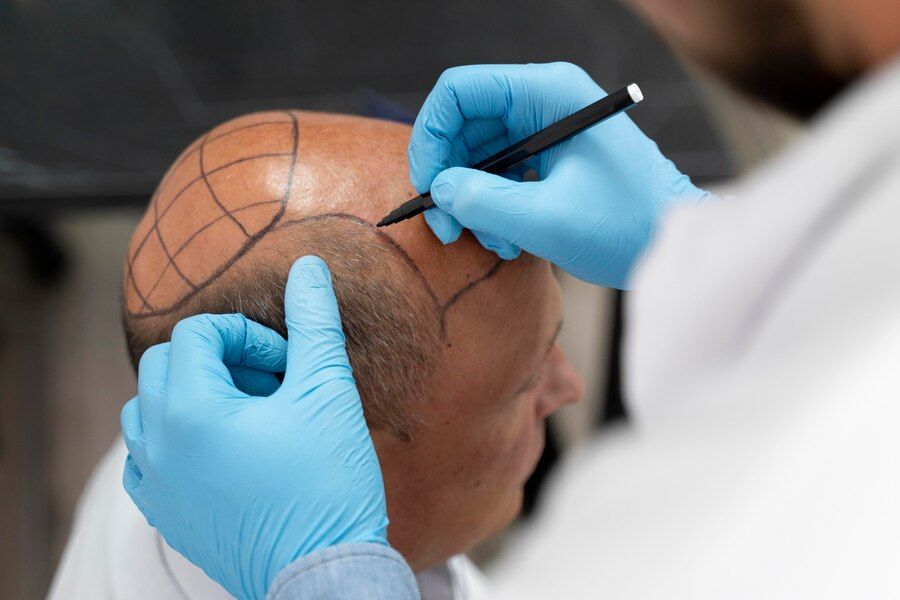
Hair transplants are surgical procedures where hair follicles are moved from one part of the body (typically the back or sides of the scalp) to the balding or thinning areas. There are two main types of hair transplants: Follicular Unit Transplantation (FUT) and Follicular Unit Extraction (FUE).
Benefits of Hair Transplants:
Permanent Solution: Hair transplants offer a permanent solution to hair loss, with transplanted hair continuing to grow naturally.
Natural Growth: Since the procedure uses your own hair, the growth and texture are natural.
Versatility: Hair transplants can be tailored to address specific areas of thinning or baldness, allowing for a customized approach.
Comparing SMP and Hair Transplants
Procedure:
SMP: Non-surgical, involving the application of pigments to the scalp.
Hair Transplants: Surgical, involving the relocation of hair follicles from one area to another.
Recovery Time:
SMP: Minimal recovery time, with most clients resuming normal activities within a few days.
Hair Transplants: Longer recovery time, with initial healing taking a couple of weeks and full results visible after several months.
Results:
SMP: Immediate visual improvement, creating the appearance of a fuller head of hair or a buzz-cut look.
Hair Transplants: Gradual improvement, with hair growth becoming noticeable over several months.
Maintenance:
SMP: Minimal maintenance required, with occasional touch-ups.
Hair Transplants: Ongoing hair care and potential need for additional treatments to maintain results.
Cost:
SMP: Generally more affordable than hair transplants, with fewer sessions required.
Hair Transplants: Ongoing hair care and potential need for additional treatments to maintain results.
Which Option is Right for You?
Choosing between scalp micropigmentation and hair transplants depends on your individual needs, preferences, and circumstances. Here are some factors to consider:
Desired Outcome: If you want immediate results with minimal downtime, SMP might be the best option. If you prefer natural hair growth and a permanent solution, hair transplants may be more suitable.
Budget: SMP is generally more cost-effective, while hair transplants can be more expensive due to the surgical aspect.
Maintenance: If you prefer a low-maintenance solution, SMP requires less ongoing care compared to hair transplants.
Comfort with Surgery: If you prefer to avoid surgery, SMP offers a non-invasive alternative.
Conclusion
Both scalp micropigmentation and hair transplants offer effective solutions for hair loss, each with its own set of advantages. At ScalpMasters in Cranston, Rhode Island, we specialize in providing high-quality scalp micropigmentation services to help you achieve a natural and confident look. If you’re considering SMP or have questions about which option is right for you, contact us today to schedule a consultation. Let us help you make the best choice for your hair restoration journey.
Learn More
What's New
Latest Hair Loss Solutions & Guides
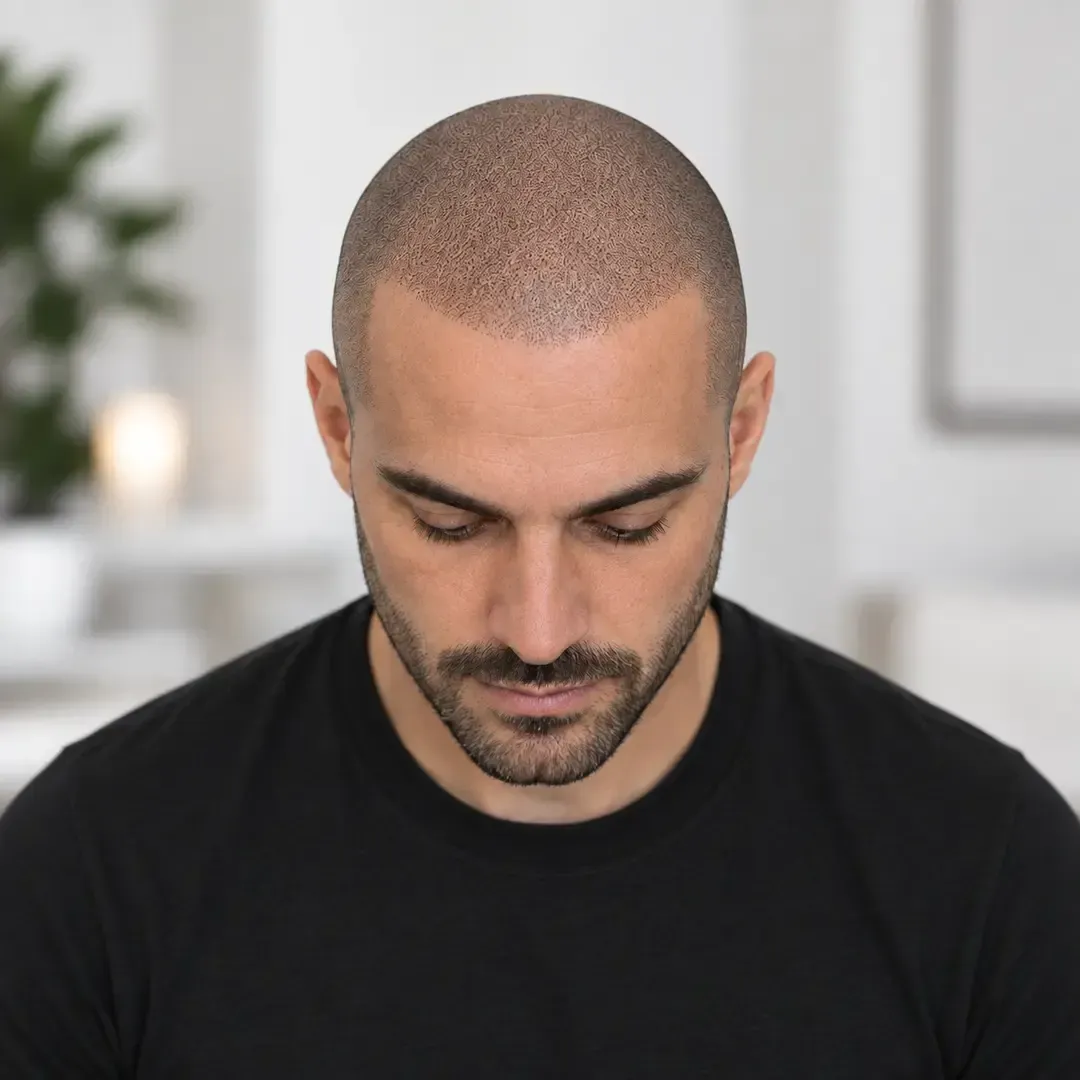
Most clients need three scalp micropigmentation sessions. Learn what happens at each visit, why we wait between sessions, timing, and trips.

Bad SMP from another studio? Scalpmasters RI explains how we evaluate and fix dark, unnatural, or poorly blended scalp micropigmentation in RI, MA, and CT.
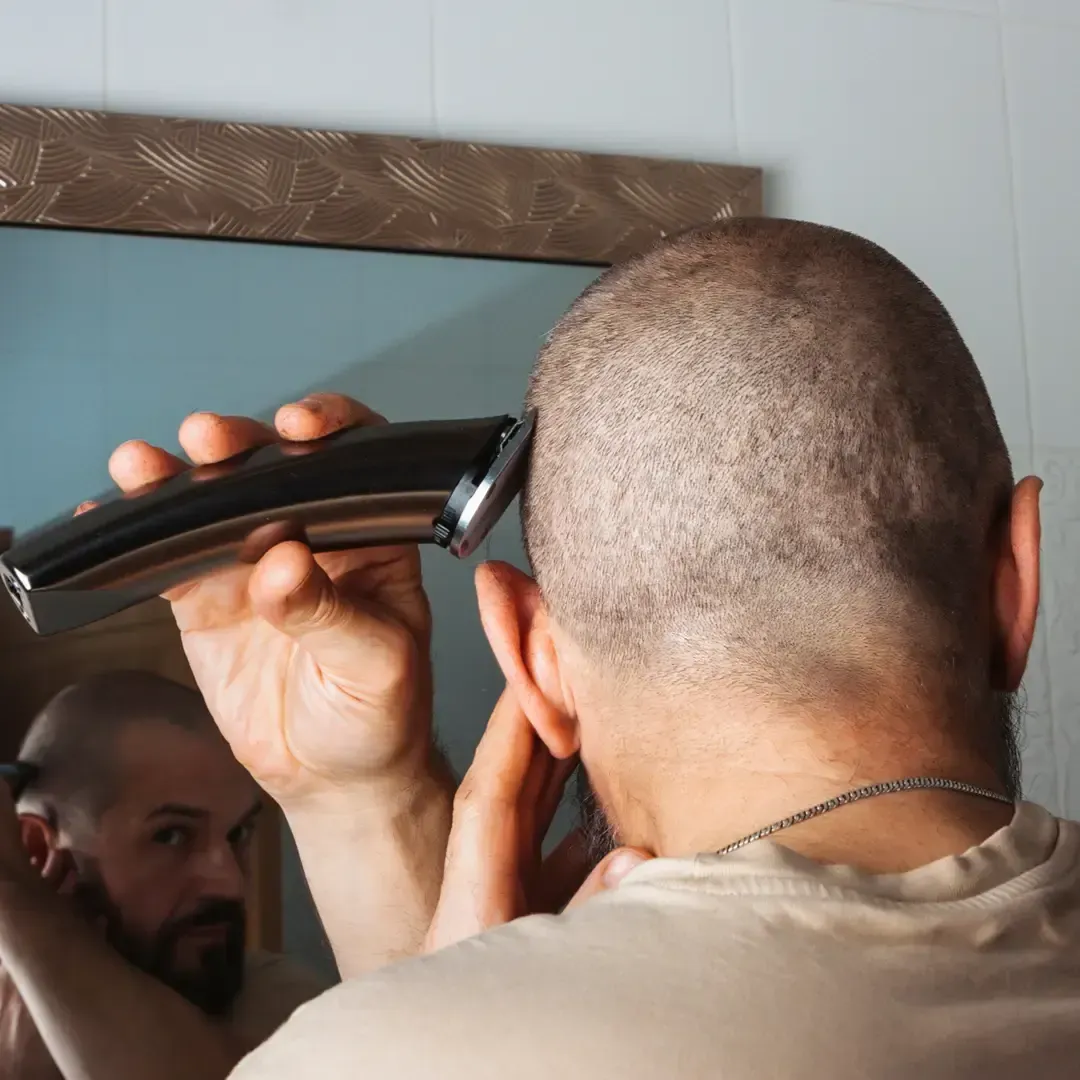
Wondering if you have to shave your head for SMP? Scalpmasters RI explains density SMP without shaving for thinning hair in RI, MA, and CT.