SMP for Scars: Giving Your Scalp a Clean Slate
When Scars Stay Behind: What Scalp Micropigmentation Can Do
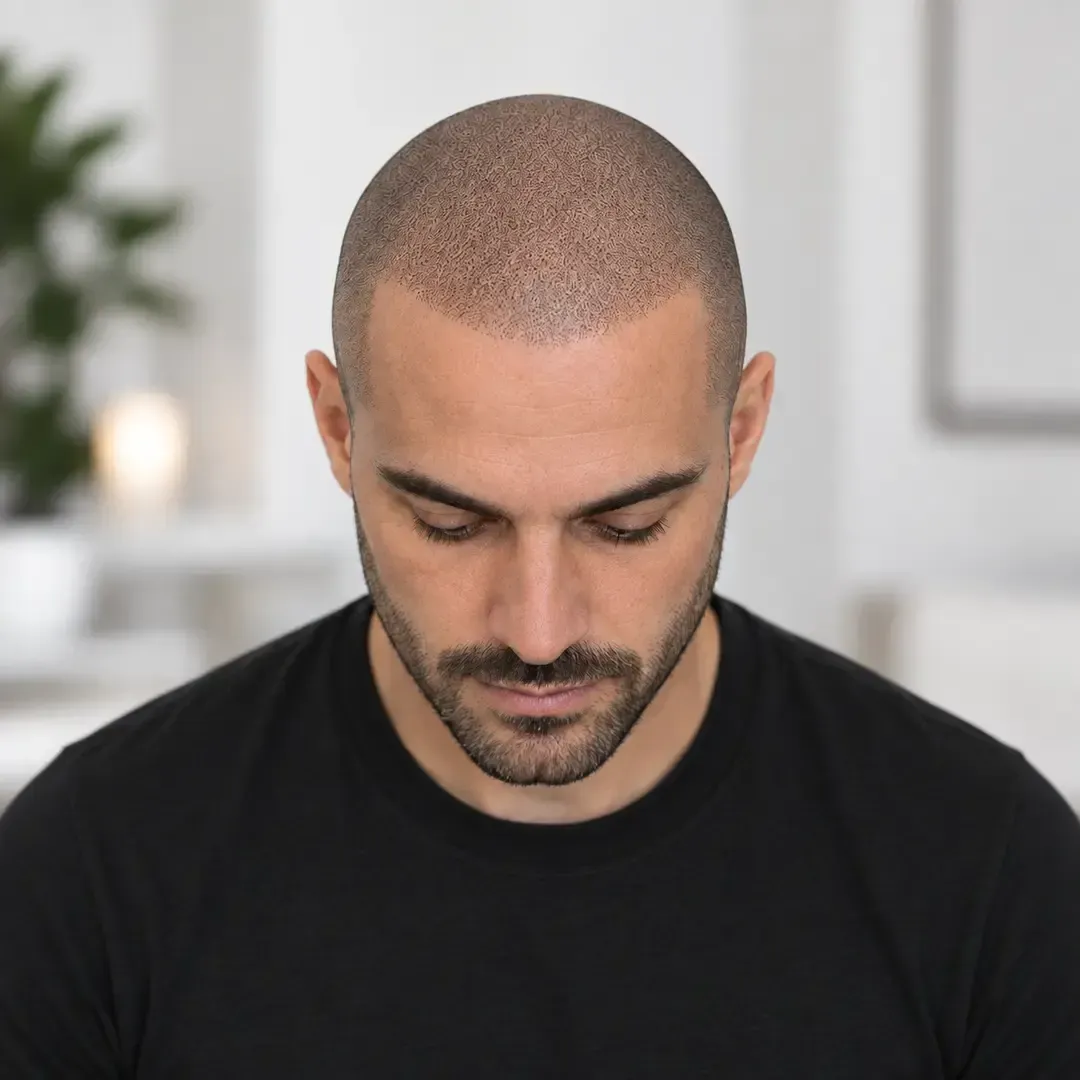
Scalp micropigmentation scars treatment is one of the most effective ways to conceal visible scalp scarring — whether from a hair transplant, injury, surgery, or hair loss condition.
Here's a quick look at what SMP can do for scalp scars:
- What it does: Deposits tiny pigment dots into and around scar tissue to mimic the look of real hair follicles
- Who it's for: Anyone with visible scalp scars from FUT/FUE transplants, trauma, surgery, or alopecia
- How many sessions: Typically 2-3 sessions for full coverage
- How long it lasts: Results last 4-8 years with minimal maintenance
- Does it hurt: Discomfort is manageable — similar to tattooing but with shallower needle depth
- Key benefit: Non-surgical, immediate visible results, no downtime
Scars don't just mark the skin. For many people, they quietly chip away at confidence every time they look in the mirror.
Hair transplant surgery is a perfect example. The procedure promises a fuller head of hair — but it often leaves something behind that nobody warned you about. A linear strip scar stretching across the back of the scalp. Dozens of tiny dot scars from individual graft extractions. Scars that make it impossible to wear your hair short without feeling self-conscious.
In fact, research suggests that 7 out of 10 people regret getting hair transplant surgery because of the visible scarring it leaves behind.
And it's not just transplant patients. Scars from accidents, surgeries, burns, and conditions like scarring alopecia all create the same problem: patches of skin where hair simply won't grow back.
The good news? SMP has changed what's possible for people in this situation.
Understanding Scalp Micropigmentation Scars and How Camouflage Works
At its core, scalp micropigmentation is a specialized form of paramedical tattooing. However, it is fundamentally different from the tattoos you might see on someone’s arm. While traditional tattoos go deep into the dermis and use inks that can change color over time, SMP uses specialized microneedles and medical-grade pigments designed specifically for the scalp.
When we treat scalp micropigmentation scars, our goal is "follicle mimicry." We are not just "coloring in" the scar. Instead, we are depositing tiny, precise dots of pigment into the dermal layer of the skin to replicate the look of a natural hair follicle.
For readers who want a broader overview of the technique itself, scalp micropigmentation is widely recognized as a cosmetic procedure used to create the appearance of fuller hair.
Working with scar tissue is an art form because scars are biologically different from healthy skin. Scar tissue is often denser, less flexible, and lacks the natural pores and hair follicles of the surrounding scalp. It also absorbs pigment differently-sometimes the tissue is "stubborn" and resists the ink, while other times it can be more porous and cause the pigment to spread if not handled correctly.
This is why SMP for scars requires a high level of expertise. We use custom skin tone matching to ensure the pigment blends seamlessly with your natural hair color and skin undertones. By breaking up the stark, linear, or circular patterns of a scar, we can make it virtually disappear into the surrounding hair.
Common Types of Scalp Scars Treated with SMP
We see a wide variety of scarring at our Cranston clinic, and almost all of them can be significantly improved with the right technique. Here are the most common types we encounter:
FUT (Follicular Unit Transplantation) Scars
Often called "strip scars," these are linear marks left behind when a strip of scalp is removed from the donor area. These scars can stretch from ear to ear. They are often the most distressing for clients because they are highly visible if the hair is cut short.
FUE (Follicular Unit Extraction) Scars
While marketed as "scarless," FUE actually leaves hundreds or even thousands of tiny, white "dot" scars where individual follicles were punched out. When the hair is buzzed, the back of the head can look "moth-eaten" or patchy.
Trauma and Surgical Scars
Whether from a childhood accident, a sports injury, or a necessary medical surgery (like a cyst removal or neurosurgery), these scars often have irregular shapes and textures. Some may be hypertrophic(raised) or atrophic(pitted/sunken).
Alopecia Areata and Scarring Alopecia
Conditions like alopecia can leave smooth, hairless patches. In cases of scarring alopecia, the hair follicles are permanently destroyed. Scalp Micropigmentation for Scars provides a way to fill these patches so they no longer stand out against the rest of the hair.
It is estimated that 85% of men will experience hair thinning by age 50, and for those who chose surgery to fix it, the trade-off of a visible scar is often a heavy burden. We are here to remove that burden.
The SMP Scar Camouflage Process: Sessions and Recovery
Concealing a scar isn't a "one and done" procedure. Because scar tissue is unpredictable, we use a layering technique to ensure the most natural result.
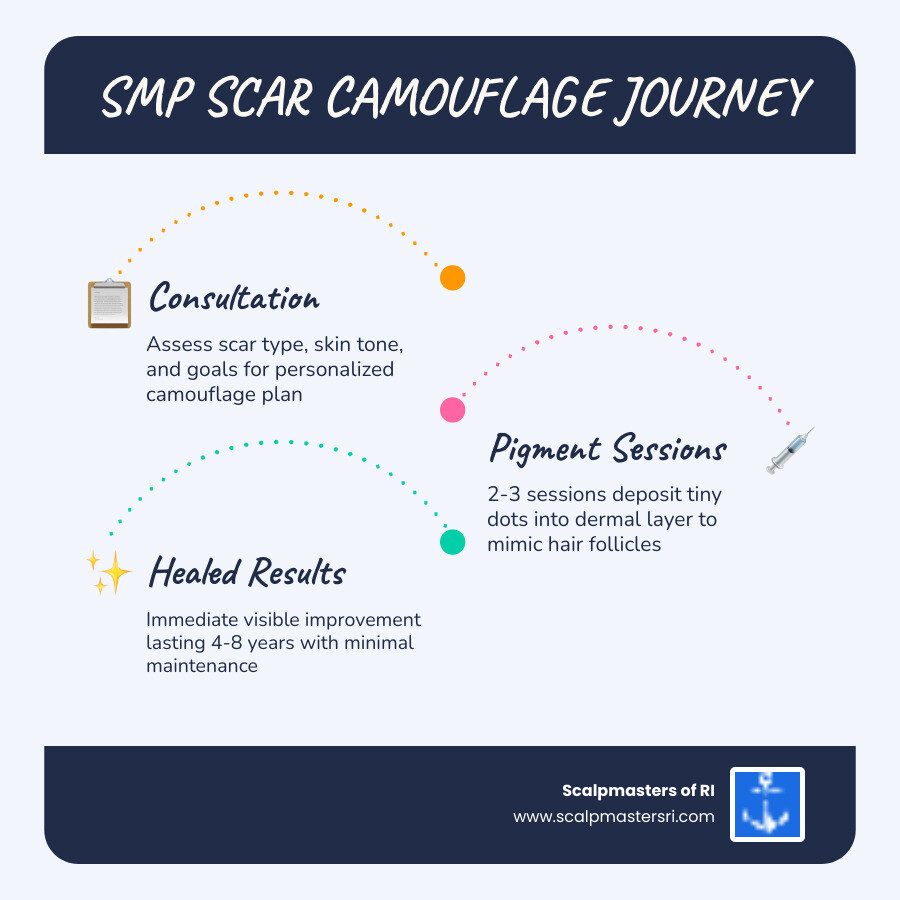
1. The Consultation
Every journey starts with a conversation. We assess the age of the scar (it must be fully healed, usually at least 6–12 months old), the texture, and the color. We then create a custom plan for pigment blending.
2. The Sessions (Typically 2-3)
- Session 1: We lay the foundation. We use a lighter touch to see how the scar tissue accepts the pigment.
- Session 2: We add density and depth. This is where the scar really begins to vanish.
- Session 3 (if needed): We perform final refinements to ensure the blend is perfect under all lighting conditions.
3. Recovery and Aftercare
The healing time for scalp micropigmentation scars is remarkably short. Most clients experience 5–7 days of minor redness or slight swelling, which is a normal response as the skin heals.
Aftercare is crucial:
- Avoid scrubbing or washing the area for the first few days.
- Keep the scalp out of direct sunlight and avoid heavy sweating (no gym sessions for about a week!).
- Once healed, always use sun protection (SPF 50+) to prevent the pigment from fading over the years.
Why SMP is the Superior Solution for Scalp Scarring
SMP offers a unique set of benefits for those looking to address scalp scarring. Unlike other methods that may require long recovery times or take months to show results, SMP provides an immediate visual transformation.
Key benefits of choosing SMP for scar camouflage include:
- Immediate Results: You see a significant difference after the very first session.
- Non-Surgical: There are no incisions, no stitches, and no new scars created during the process.
- High Effectiveness: It provides 85-90% concealment for most scar types, making them virtually invisible.
- Minimal Downtime: Most clients return to their normal routine within 1-3 days.
- Longevity: Results typically last 4-8 years before needing a simple touch-up.
Beyond just "hiding" the scar, there is evidence that the micro-needling process itself can offer benefits. The physical action of the needles can stimulate collagen production in the area, which may help soften the texture of tough, fibrous scar tissue over time.
For our clients in Rhode Island and across New England, the biggest benefit isn't just the ink—it's the freedom. It’s the ability to walk into a barbershop and ask for a fade without worrying about what the person behind you in line will see.
Frequently Asked Questions about Scalp Micropigmentation Scars
How long do scalp micropigmentation scars camouflage results last?
On average, your results will look great for 4 to 6 years, though many clients see them last up to 8. Because the scalp is often exposed to the sun, the pigment will naturally fade over time. When you notice the "follicles" looking a bit lighter, a quick touch-up session is all you need to restore the original look. Factors like UV exposure and your skin's natural exfoliation rate play a big role in longevity.
Is everyone a candidate for scalp micropigmentation scars treatment?
Most people with healed scars are excellent candidates. However, there are a few exceptions. If you have a history of keloid scarring(very thick, overgrown scars), we must proceed with extreme caution or avoid the area. Additionally, active skin conditions like eczema or psoriasis in the treatment area need to be cleared up before we can begin. We always recommend an in-person assessment at our Cranston clinic to be sure.
Does the procedure for camouflaging scars hurt?
Most of our clients describe the feeling as a "light scratching" or a "repetitive poking." It is generally much less painful than a traditional tattoo because we don't go as deep into the skin. If you are particularly sensitive, we can discuss pain management options, and we always allow for breaks during the session. Most people find the discomfort very manageable, especially considering the life-changing results.
Conclusion
At Scalpmasters of RI, we believe that a scar shouldn't be the final word on your appearance. Our founder’s extensive experience and artistry ensure that every dot is placed with precision, whether you are in Rhode Island, Boston, or anywhere else in New England. We specialize in creating natural-looking hairlines and seamless SMP for scars that give you your confidence back.
If you’re tired of hiding under hats or worrying about your transplant scars, we’re here to help. Our Cranston-based clinic is ready to give your scalp the clean slate it deserves. Contact us today to schedule your consultation and take the first step toward a worry-free reflection.
Learn More
What's New
Latest Hair Loss Solutions & Guides