
Head Tattoos for Alopecia: Your Guide to Design and Decision
Understanding Head Tattoos as a Solution for Hair Loss
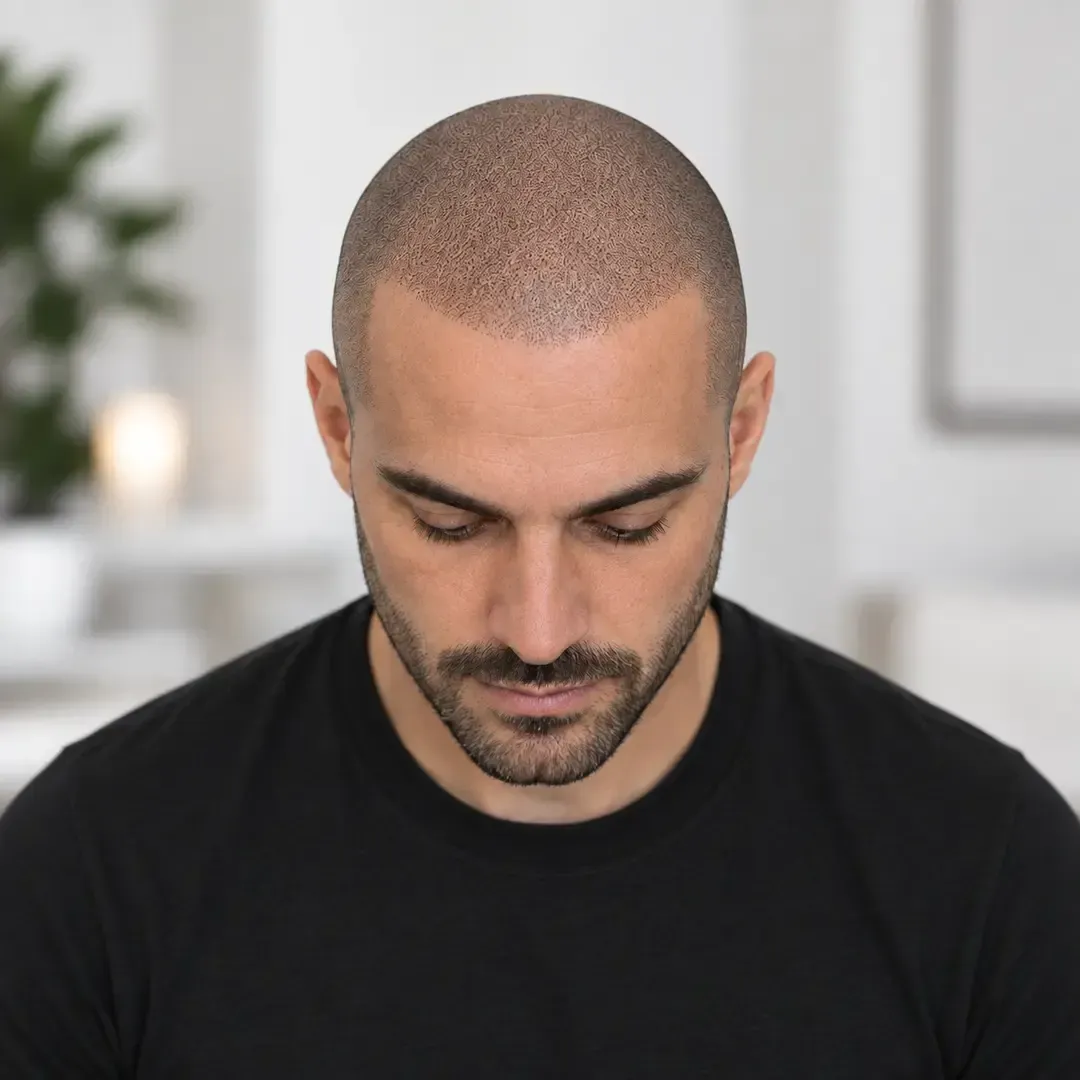
Head tattoo for alopecia, also known as scalp micropigmentation (SMP), is a non-surgical cosmetic procedure that creates the appearance of fuller hair by applying tiny dots of pigment to your scalp. Here's what you need to know:
Quick Answer: Head Tattoo for Alopecia Options
- What it is: A cosmetic tattoo technique that mimics the look of natural hair follicles
- Who it's for: People with alopecia areata, alopecia totalis, alopecia universalis, or any pattern of hair loss
- How it works: Specialized pigments deposited into the dermal layer of the scalp using micro-needles
- Results: Creates the illusion of a closely-shaved head or adds density to thinning areas
- Duration: Typically lasts 4-6 years before needing a touch-up
- Cost: Ranges from $1,900 to $3,800 on average
- Sessions needed: Usually 2-4 sessions spaced several weeks apart
Hair loss affects millions of people worldwide, with about 2% of the population experiencing alopecia in some form. Whether dealing with small patches or complete hair loss, the emotional impact can be significant. Studies on the psychosocial burden of alopecia show that around 40% of women with the condition have experienced relationship problems, and 63% report career-related challenges.
For many years, options were limited to wigs, medications with mixed results, or expensive hair transplants. Today, SMP offers a different path—one that doesn't regrow hair but instead creates a remarkably realistic appearance of hair.
This guide covers everything you need to know about head tattoos for alopecia, from how the procedure works and who makes a good candidate to what to expect from consultation through long-term care.
What is Scalp Micropigmentation (The "Head Tattoo")?
Scalp micropigmentation (SMP) is a specialized, non-invasive cosmetic treatment that has revolutionized how we approach hair loss. Often referred to as a "hair tattoo" or head tattoo for alopecia, SMP involves the precise application of tiny, medical-grade pigment dots into the dermal layer of the scalp. These dots are carefully placed to replicate the natural appearance of hair follicles. The result? A remarkably realistic illusion of a full head of closely shaved hair, or increased density in areas of thinning hair.
Unlike traditional tattoos, SMP uses specialized pigments that are designed to retain their color and resist fading or turning blue or green over time. This is a crucial distinction, as traditional tattoo inks can often change hue due to UV exposure and skin interactions. Furthermore, the micro-needles used in SMP are much finer than those for body art, allowing for exceptional precision and a natural, undetectable finish.
Our goal at Scalpmasters of RI is to help you achieve a natural-looking result that blends seamlessly with any existing hair you may have, or creates a perfectly defined hairline if you're completely bald. We understand that the decision to pursue SMP is deeply personal, and we're here to explain the process for you. To learn more about the basics, explore our detailed guide on What is Scalp Micropigmentation and How it Can Help and debunk common misconceptions with Common Myths Scalp Micropigmentation Debunked.
How SMP specifically helps with a head tattoo for alopecia
Alopecia is a broad term for hair loss, and it manifests in various forms, each presenting unique challenges. Head tattoos for alopecia offer a versatile and effective cosmetic solution for many of these conditions:
- Alopecia Areata: This autoimmune condition causes hair loss in circular patches. SMP can effectively camouflage these patches, creating the appearance of a uniform, dense scalp.
- Alopecia Totalis: For individuals experiencing total or near-total hair loss on the scalp, SMP can create a complete, natural-looking hairline and the illusion of a freshly shaved head.
- Alopecia Universalis: In the most severe cases, where there's complete loss of hair on the entire body, SMP can restore the appearance of scalp hair, significantly boosting confidence and self-image.
- Thinning Hair: For both men and women experiencing diffuse thinning, SMP can add density to the scalp, making existing hair appear fuller and reducing the contrast between the hair and scalp.
- Receding Hairlines: SMP is excellent for redefining and restoring a natural-looking hairline, framing the face and rejuvenating one's appearance.
SMP doesn't stimulate hair growth, but it expertly masks the visible signs of hair loss, providing a powerful cosmetic improvement. This makes it suitable for individuals whose hair loss is unpredictable or progressive, as it offers a consistent, low-maintenance look. We provide specialized services custom for both men and women, enhancing hair appearance significantly. For more specific information, check out Scalp Micropigmentation for Alopecia Areata and Scalp Micropigmentation for Women.
The Difference Between SMP and a Regular Body Tattoo
While both SMP and traditional body tattoos involve implanting pigment into the skin, they are distinct procedures with different tools, techniques, and objectives. Understanding these differences is key to appreciating the specialized nature of SMP:
- Pigment Composition: SMP uses specialized, medical-grade pigments that are designed to mimic the natural color of hair follicles and resist fading or discoloration over time. Traditional tattoo inks, while vibrant, can sometimes change hue (e.g., turn bluish or greenish) when exposed to UV light or as they age in the skin.
- Needle Size and Depth: Our SMP practitioners use ultra-fine, single-use micro-needles that are much smaller than those used for body art. These needles deposit pigment into the upper dermal layer of the scalp, creating tiny, discrete dots that perfectly replicate hair follicles. Traditional tattoos penetrate deeper into the dermis, requiring larger needles to create solid lines and saturated colors.
- Technique and Appearance: The technique in SMP is all about creating an illusion of density and natural hair growth. Each dot is strategically placed to mimic the randomized pattern of natural follicles. The goal is an undetectable, natural-looking result, whether it's a freshly shaved look or added density to thinning areas. Traditional tattoos are typically bold, illustrative, and meant to be recognized as art on the skin.
- Fading and Color Stability: Due to the shallower depth and specialized pigments, SMP naturally fades gently over several years, requiring touch-ups to maintain its crispness. This controlled fading is desirable, as it allows for adjustments to the hairline as a client ages or their preferences change. Traditional tattoos are designed for maximum permanence, though they too can fade and blur over decades.
An SMP head tattoo for alopecia is a form of reconstructive artistry. It requires a profound understanding of hair patterns, facial anatomy, and color theory to achieve results that are virtually indistinguishable from natural hair. It's not about bold statements, but subtle, realistic improvement. For a deeper dive into this comparison, read our article Everything You Need to Know About Scalp Tattooing.
Weighing the Pros and Cons of a Head Tattoo for Alopecia
Deciding to get a head tattoo for alopecia is a significant step. It's important to weigh the benefits against potential drawbacks. At Scalpmasters of RI, we believe in setting realistic expectations so you can make an informed decision that aligns with your goals.
Advantages of Choosing SMP
When considering solutions for hair loss, SMP stands out for several compelling reasons:
- Immediate and Noticeable Results: Unlike treatments that require months, you'll see a noticeable improvement right after your first SMP session. The illusion of a fuller, denser scalp is immediate.
- Non-Surgical and Non-Invasive: SMP is a non-surgical procedure with no incisions, stitches, or lengthy recovery. It's a much less invasive alternative to hair transplant surgery.
- Minimal Downtime: You can return to your normal routine very quickly after an SMP session. While aftercare is necessary, it doesn't usually disrupt daily activities.
- Long-Lasting Results: SMP is a semi-permanent solution. Results usually last 4-6 years before needing a touch-up, providing a consistent look without daily effort.
- Cost-Effective: Compared to the recurring costs of medications, hairpieces, or expensive hair transplant surgery, SMP is generally a more affordable long-term solution.
- Boosts Self-Esteem and Confidence: The psychological impact of hair loss can be profound. SMP offers a powerful way to reclaim your self-image and feel more confident. Many of our clients describe it as life-changing.
- Low Maintenance: Once healed, SMP requires very little daily maintenance beyond a simple routine to keep your scalp healthy and protected.
These advantages make SMP an attractive option for many struggling with hair loss. You can find more details on these benefits in our article, Benefits of Scalp Micropigmentation for Hair Loss.
Potential Disadvantages and Risks
While SMP offers numerous benefits, it's important to be aware of its limitations:
- Not Actual Hair Growth: SMP creates the illusion of hair; it does not regrow hair. If you're seeking biological hair restoration, SMP alone isn't the answer.
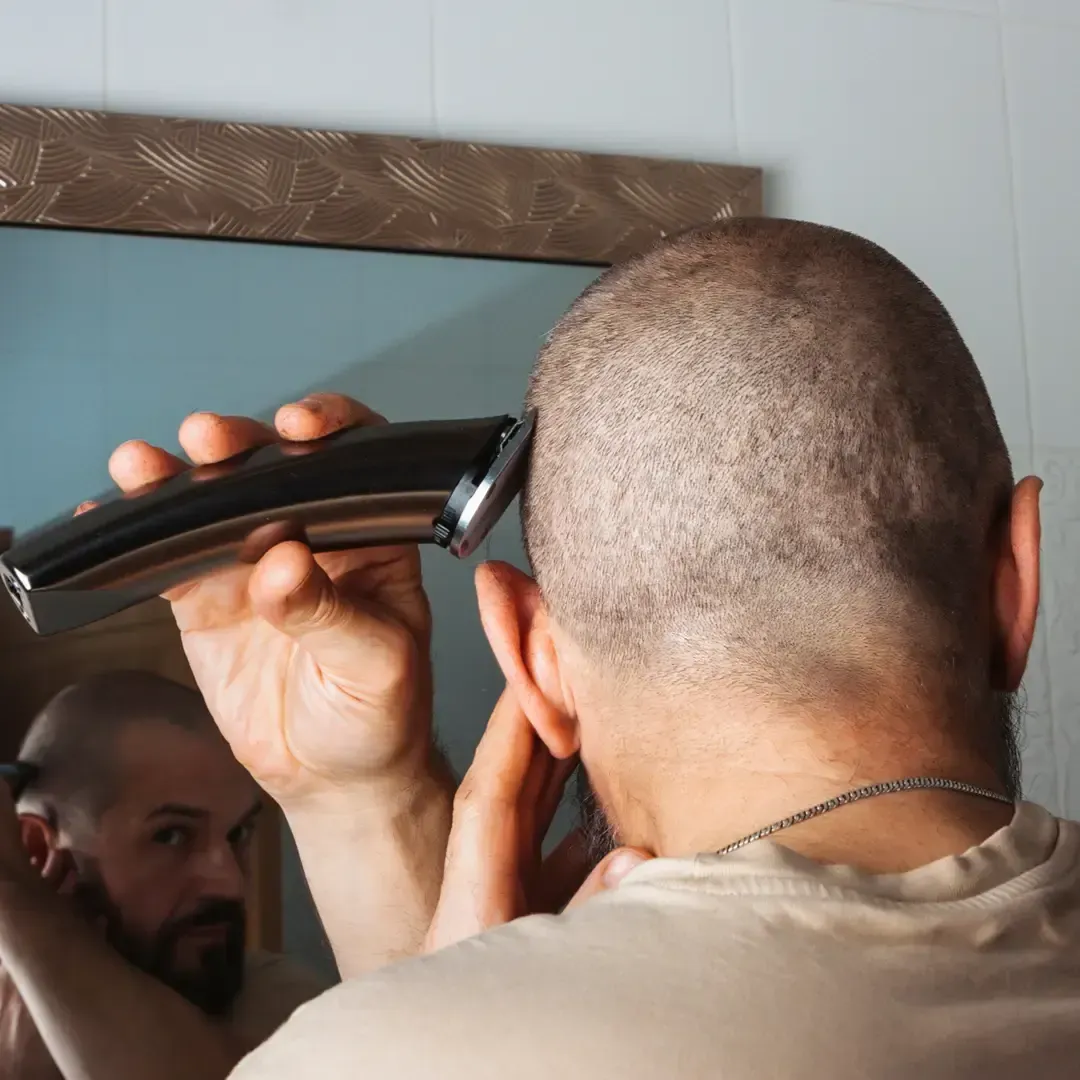
- Commitment to a Short Hairstyle: SMP works best with a closely shaved or buzzed hairstyle. The contrast between the tattooed dots and longer hair shafts might become apparent if you grow your hair out.
- Fading Over Time and Need for Touch-Ups: SMP pigments gradually fade over several years. To maintain crispness, touch-up sessions are needed every 3-6 years, meaning a long-term commitment.
- Risk of Poor Results from an Inexperienced Technician: The artistry for natural-looking SMP is immense. An inexperienced practitioner can create unnatural results (e.g., wrong color, "blowouts," poor hairline) that are difficult and costly to correct. Choosing a licensed, experienced professional is paramount. We've dedicated resources to address these concerns in Scalp Micropigmentation Regrets.
- Allergic Reactions or Infection (Rare): Although rare with medical-grade pigments and sterile practices, there is a minimal risk of allergic reaction or infection if proper hygiene isn't followed. At Scalpmasters of RI, we adhere to the highest safety standards.
- Limits Hairstyle Changes: Once you commit to an SMP head tattoo for alopecia, your options for drastic hairstyle changes become limited if you want to maintain the illusion.
Who is an Ideal Candidate for a Head Tattoo for Alopecia?
Scalp micropigmentation is a versatile solution, but it's not for everyone. We carefully assess each client to ensure SMP is the right choice.
You are likely an ideal candidate for a head tattoo for alopecia if you:
- Have various types of alopecia: This includes alopecia areata, totalis, universalis, androgenetic alopecia (pattern baldness), and scarring alopecia (to camouflage scars).
- Experience thinning hair: SMP can add the illusion of density, making your hair appear fuller.
- Have a receding hairline: SMP can recreate and redefine a natural-looking hairline.
- Desire a non-surgical solution: SMP is a compelling alternative if you prefer to avoid surgery, medications, or wigs.
- Are comfortable with a closely shaved or buzzed look: A short haircut complements SMP beautifully for optimal results.
- Seek to camouflage scars: SMP can effectively hide scars from past hair transplants or injuries.

However, SMP might not be suitable or might require careful consideration if you:
- Are prone to keloids: A history of keloid scars (raised, thickened scars) may be a contraindication, as the procedure could trigger their formation.
- Have active scalp conditions: Conditions like eczema, psoriasis, or severe acne on the scalp need to be managed before undergoing SMP to ensure proper healing.
- Are pregnant or breastfeeding: As a precaution, we do not perform SMP during pregnancy or breastfeeding.
- Are on certain medications: Blood thinners, for example, may need to be paused in consultation with your doctor.
At Scalpmasters of RI, we prioritize your health and satisfaction. We'll conduct a thorough consultation to discuss your medical history, assess your scalp, and determine if SMP is the best path forward for you. For more insights, refer to Is SMP Right For You.
The SMP Journey: From Consultation to Long-Term Care
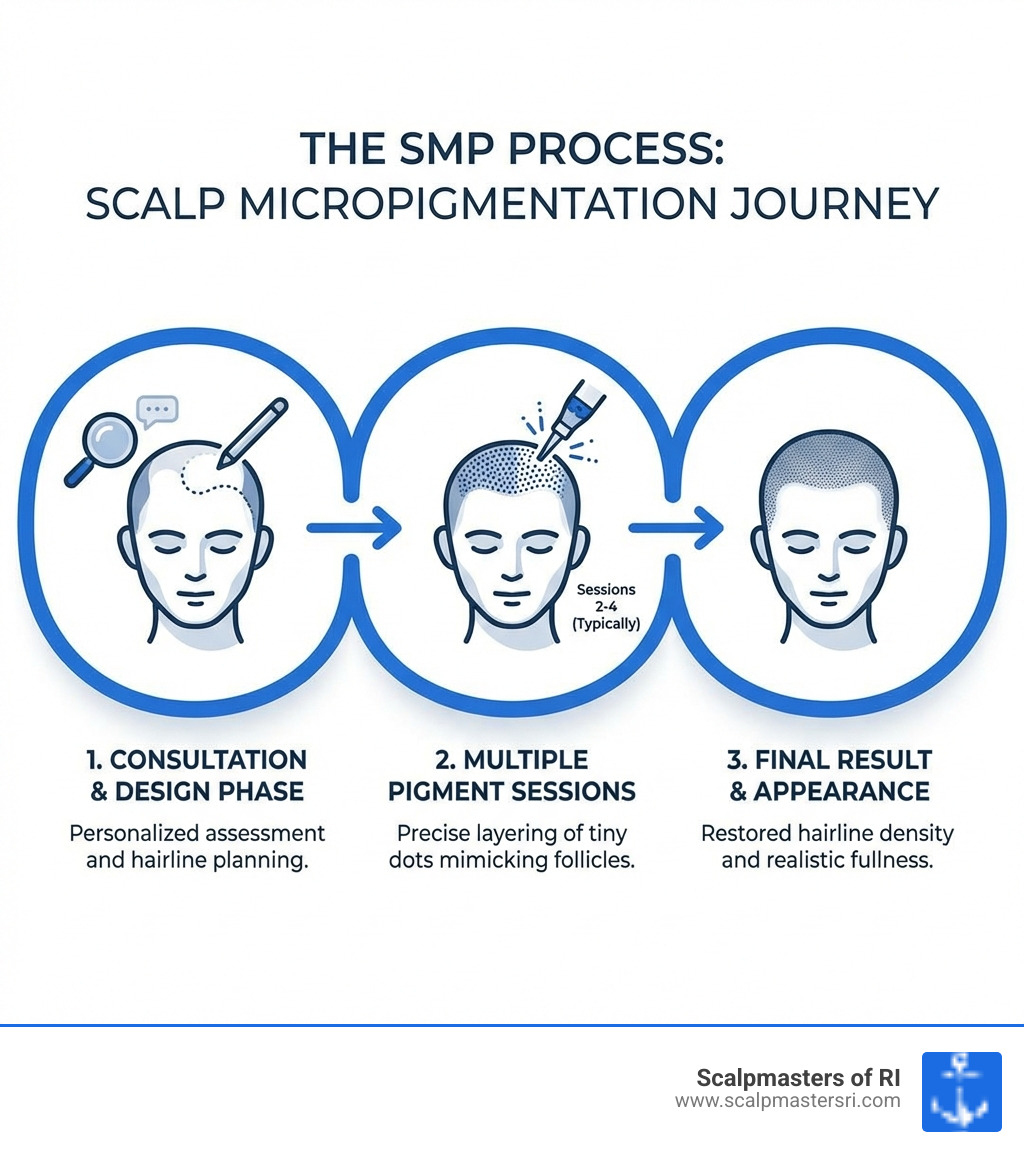
Starting on the SMP journey with Scalpmasters of RI is a collaborative process designed to ensure you feel comfortable, informed, and excited about your change. We guide you every step of the way, from the initial conversation to long-term maintenance. For a comprehensive overview, check out How Scalp Micropigmentation Works: A Step-by-Step Guide.
Step 1: The Consultation and Artistic Design
Your SMP journey begins with a crucial initial consultation. This is our opportunity to understand your unique situation, discuss your expectations, and answer any questions you may have.
- Initial Meeting: We'll sit down with you to listen to your concerns about hair loss and what you hope to achieve with SMP. We'll review your medical history to ensure SMP is a safe option for you.
- Assessing Hair Loss: Our specialists will assess the extent and pattern of your hair loss. For male pattern baldness, we often use the Norwood Scale to classify the severity, which helps us tailor the treatment plan.
- Discussing Goals and Designing the Hairline: This is where the artistry truly begins. We'll work closely with you to design a hairline that complements your facial structure, age, and personal style. We use a white wax pencil to create a blueprint directly on your scalp, allowing you to visualize and approve the design before any pigment is applied. We consider factors like the "faded hairline technique" to ensure a soft, natural transition.
- Pigment Color Matching: Our experts will carefully blend custom pigments to match your existing hair color (if any) and skin tone. The goal isn't to match your hair color exactly, but to imitate the appearance of your natural hair follicles when cropped short, which typically appear darker than the hair shaft. This ensures a seamless and natural blend.
Choosing the right clinic and practitioner is paramount for achieving natural-looking results and a positive experience. Our founder's extensive experience and artistry are our unique selling proposition, ensuring precise, confidence-restoring results. Learn more about selecting your provider in How to Choose Scalp Micropigmentation Clinic.
Step 2: The Procedure Sessions
The actual SMP treatment is typically spread across multiple sessions, allowing for a gradual and natural buildup of density.
- Typical Number of Sessions: Most individuals require three or more sessions, spaced several weeks apart, to achieve the desired result. This phased approach allows us to build density gradually and make subtle adjustments, ensuring the most realistic outcome.
- Session Duration: Each session can vary in length depending on the area being treated, but typically lasts between 2 to 5 hours. The first session often establishes the foundational hairline and initial density, with subsequent sessions building further density and refining details.
- Application of Topical Anesthetic: To minimize any discomfort, we apply a topical anesthetic to your scalp before the procedure begins. While pain perception varies, most clients describe the sensation as mild tingling or a tolerable discomfort, far less intense than a traditional tattoo.
- Layering Pigment for Density: Our skilled practitioners use ultra-fine micro-needles to deposit thousands of tiny pigment dots. We carefully layer the pigment, increasing the density with each session, to create the illusion of a full head of hair. This gradual process is key to avoiding an artificial or "painted-on" look.
Throughout the procedure, your comfort and satisfaction are our top priorities. We encourage open communication and regular breaks if needed. For more details on what happens during treatment, visit our page on Scalp Micropigmentation Procedure.
Step 3: Aftercare and Long-Term Maintenance
Proper aftercare is crucial for the healing process and the longevity of your SMP head tattoo for alopecia. We'll provide you with detailed instructions, but here are the key aspects:
- Immediate Post-Treatment Care (First 4-5 Days):
- Keep your scalp dry: Avoid washing your hair, swimming, or any activities that cause excessive sweating. This includes heavy exercise, hot showers, saunas, and steam rooms. When showering, use a shower cap.
- Avoid direct sun exposure: Protect your scalp from UV rays, which can cause pigment fading.
- Apply prescribed products: We may recommend specific aftercare products to aid healing.
- Healing Process: It's normal to experience some redness, minor swelling, and sensitivity immediately after each session. Small scabs or crusts may form, which are part of the natural healing process. The pigment may appear darker initially, but it will soften and settle into its final shade as your scalp heals, typically over 3-4 weeks.
- Long-Term Sun Protection: UV rays are the biggest enemy of SMP longevity. Always protect your scalp by wearing a hat or applying a high SPF sunscreen whenever exposed to sunlight. This is vital to prevent premature fading and color change.
- Moisturizing and Gentle Cleansing: After the initial healing period, use mild, scent-free shampoos and moisturizers to keep your scalp hydrated and healthy. Avoid harsh hair care products that could strip pigment.
- Touch-Up Schedule: While SMP is long-lasting, gradual fading is natural. We recommend scheduling touch-up sessions every 3 to 5 years (or as needed) to maintain the crispness and definition of your head tattoo for alopecia. Many clients can go 4-6 years without a touch-up.
Following these guidelines will maximize the results of your SMP and ensure it looks fantastic for years to come. For comprehensive aftercare advice, see Scalp Micropigmentation Aftercare Tips: Maximize Your SMP Results and learn more about its longevity here: How Long Does Scalp Micropigmentation Last?.
SMP in the Context of Alopecia Solutions
Alopecia impacts millions, and the search for effective solutions often leads individuals through a maze of options. SMP stands out as a unique and powerful cosmetic approach among these. It doesn't promise hair regrowth, but it delivers an immediate, consistent, and natural-looking solution to the visible effects of hair loss. This makes it a compelling choice for those seeking to improve their appearance, simplify maintenance, and reclaim their confidence. We believe in explaining the entire hair loss industry, and you can dig deeper into this in The Hair Loss Industry: Demystifying Products and Treatments.
Cost-Effectiveness of SMP
When evaluating hair loss solutions, cost is often a significant factor. SMP generally presents a highly cost-effective alternative compared to many traditional treatments.
- SMP Cost Range: A complete SMP treatment typically costs between USD 1900.00 to USD 3800.00, with an average cost of about USD 2850.00 in 2024. This investment covers multiple sessions to achieve the desired look.
- Value as a Long-Term Investment: While the upfront cost might seem substantial, consider its longevity. With results lasting 3 to 5 years (or more) before a touch-up, the annual cost averages out significantly.
- Minimal Ongoing Maintenance Costs: Beyond the occasional touch-up, SMP requires very little in terms of ongoing expenses. You won't be purchasing expensive medications, styling products, or replacing hairpieces regularly.
- Comparison to Hair Transplants: Hair transplants, while offering natural hair growth, are significantly more expensive. They can cost upwards of $30,000, and may still require SMP to improve density or camouflage scarring. This makes SMP a much more accessible entry point for many individuals.
When we consider the immediate results, low maintenance, and the confidence boost it provides, the value of an SMP head tattoo for alopecia becomes clear. It's an investment in your appearance and well-being that pays dividends over many years. For a detailed comparison, read Scalp Micropigmentation vs Hair Transplants.
Frequently Asked Questions about Head Tattoos for Alopecia
We know you have questions, and we're here to provide clear, straightforward answers about head tattoos for alopecia.
Does getting a scalp micropigmentation tattoo hurt?
Pain perception is highly individual, but most of our clients find SMP to be quite tolerable. Many describe the sensation as a mild tingling, light scratching, or a slight pressure, rather than intense pain. It's generally considered less painful than a traditional body tattoo, and certainly less invasive than hair transplant surgery. While some areas of the scalp may be more sensitive than others, we prioritize your comfort throughout the sessions.
How long does it take to see the final results?
You'll see a noticeable difference right after your very first SMP session! The immediate impact of having the appearance of hair follicles can be incredibly uplifting. However, the true "final" results typically emerge after all your scheduled sessions are complete and your scalp has had adequate time to heal. This usually takes about 3-4 weeks after your last session. As your skin heals, the pigment will settle, and any initial redness will subside, revealing the soft, natural appearance we carefully create. The gradual layering of pigment over multiple sessions is what allows for such a realistic and subtle change.
Can SMP be removed if I change my mind?
Yes, an SMP head tattoo for alopecia can be removed if you change your mind. The most common and effective method for removal is laser tattoo removal. This process involves using specific laser wavelengths to break down the pigment particles in the skin, which are then naturally cleared by the body.
Removal can be a more involved and costly process than the initial application. It typically requires multiple laser sessions, and the number of sessions depends on factors like the pigment density, color, and how long you've had the SMP. While effective, it can be time-consuming and may involve some discomfort. This is why we emphasize the importance of a thorough consultation and choosing a highly skilled and reputable practitioner like those at Scalpmasters of RI from the very beginning. Our goal is to ensure you're delighted with your results, minimizing any need for removal.
Conclusion: Reclaiming Your Look and Confidence
Living with alopecia can be a challenging journey, impacting not just your appearance but your emotional well-being and confidence. The decision to explore solutions like a head tattoo for alopecia is a powerful step towards reclaiming control and embracing a look that makes you feel comfortable and self-assured.
Scalp micropigmentation offers an innovative, non-surgical pathway to address hair loss. It's more than just a cosmetic fix; it's an art form that, when executed with precision and care, can profoundly restore your self-image. From carefully crafting a natural hairline to adding realistic density to thinning areas, SMP provides a durable, low-maintenance solution that seamlessly integrates with your life.
At Scalpmasters of RI, based in Cranston and serving clients across Rhode Island, Massachusetts, Connecticut, and the wider New England area, we pride ourselves on our founder's extensive experience and artistic expertise. Our commitment is to deliver natural-looking results that not only meet but exceed your expectations, helping you step out with renewed confidence.
If you're ready to explore how an SMP head tattoo for alopecia can transform your appearance and boost your confidence, we invite you to connect with us.
Take the next step towards a fuller-looking head of hair and a more confident you. Book your SMP consultation today.
Learn More
What's New
Latest Hair Loss Solutions & Guides