
Ink Your Way Back: A Guide to Micropigmentation for Hair Loss
What Is Micropigmentation for Hair Loss — and Can It Help You?
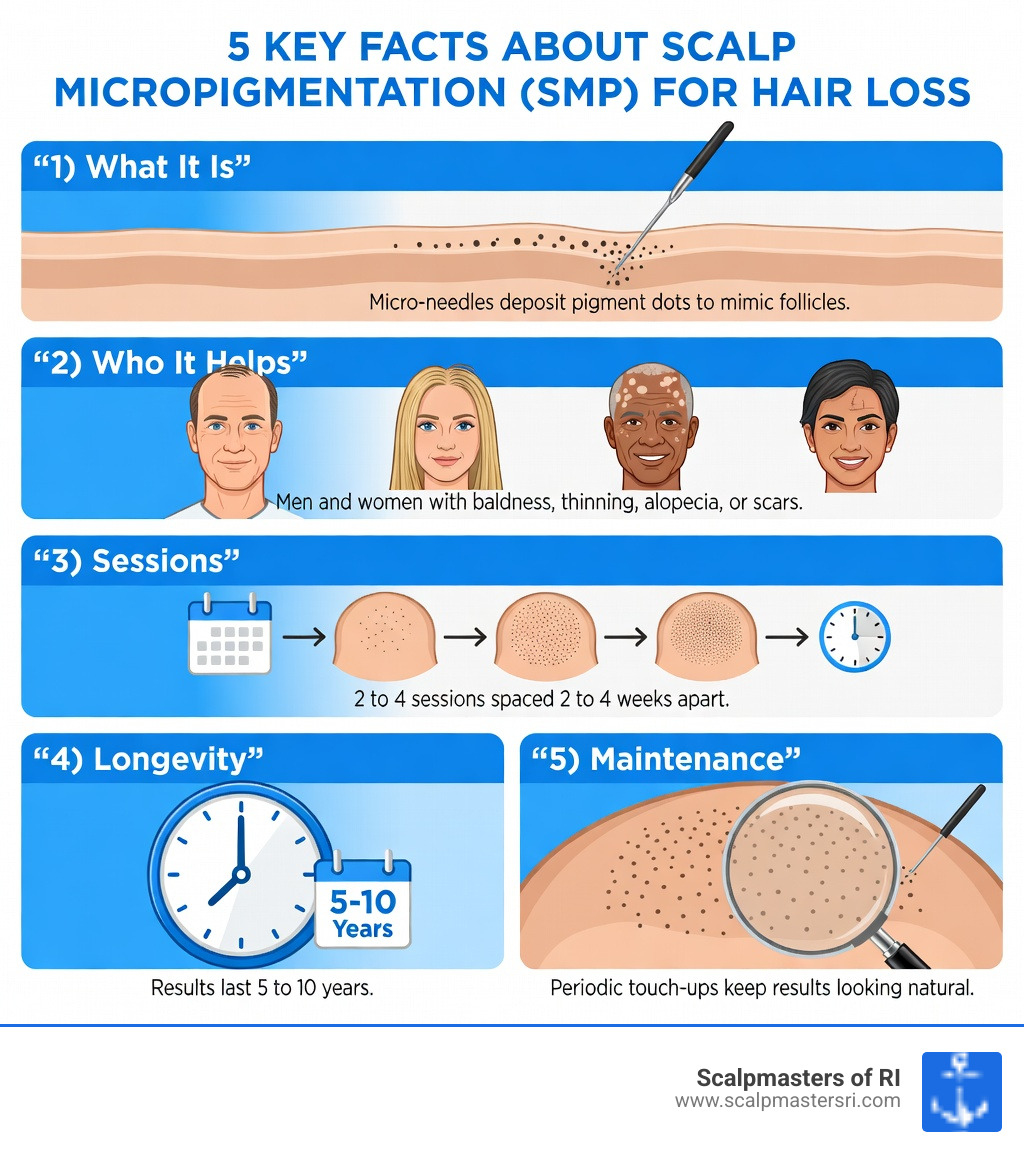
Micropigmentation hair loss treatment is a non-surgical cosmetic procedure that uses micro-needles to deposit tiny dots of pigment into the scalp, creating the realistic appearance of hair follicles — giving you the look of a fuller head of hair or a clean buzz cut, without surgery.
Here's what you need to know at a glance:
- What it is: A technique often called Scalp Micropigmentation (SMP) — sometimes called a "hair tattoo"
- How it works: Tiny pigment dots are layered into the scalp to mimic real hair follicles
- Who it helps: Men and women with thinning hair, pattern baldness, alopecia, or scalp scars
- Sessions needed: Typically 2-4 sessions, spaced 2-4 weeks apart
- How long it lasts: Results can last 5-10 years with proper care
- Is it permanent? Semi-permanent — fading occurs gradually over time, with touch-ups available
Hair loss affects a massive portion of the population. More than half of white men show signs of male pattern baldness. Over 50% of women experience hair loss too, most commonly after age 40. And the impact goes far beyond appearance — it chips away at confidence, self-image, and quality of life.
For a long time, the options were limited: medications with side effects, expensive hair transplant surgery, or temporary concealers that wash away in the rain.
SMP changes that equation.
It's not a cure for hair loss. But it's one of the most effective ways to look like it never happened — without going under the knife, taking daily pills, or worrying about a hairpiece shifting in the wind.
Whether you're dealing with a receding hairline, a thinning crown, patchy alopecia, or scars from a previous hair transplant, micropigmentation offers a realistic, low-maintenance path back to confidence.
Understanding Scalp Micropigmentation for Hair Loss

When we talk about micropigmentation hair loss solutions, we are describing a highly specialized art form. While many people colloquially call it a "hair tattoo," there are significant technical differences between traditional body art and Scalp Micropigmentation (SMP). SMP is a cosmetic procedure where we use a digital machine and specialized needles to implant medical-grade pigment into the scalp.
The goal isn't to draw lines or shapes, but to replicate the look of individual hair follicles. By using a technique called pointillism, we create thousands of tiny, layered dots that mimic the natural density and shadow of real hair. This process provides an immediate visual improvement, camouflaging bald spots and adding the illusion of depth to thinning areas. What is Scalp Micropigmentation and How It Can Help is a great resource if you're just starting to explore how this camouflage technique can redefine your look.
How SMP Works: The Science of Pointillism
The "magic" of SMP lies in the precision of the application. Unlike a traditional tattoo that goes deep into the dermis, SMP pigment is deposited at a much shallower level—specifically the upper dermis, roughly 0.5 mm to 1.5 mm deep. This is crucial because the scalp has the highest concentration of oil glands on the human body. If the pigment is placed too deep, the oils can cause the ink to spread or "blow out," leading to a blotchy, unnatural appearance.
We use specialized micro-needles that cycle at a rate of 120 to 150 times per second. These needles are much thinner than those used for body tattoos, allowing us to create dots that match the actual diameter of a human hair follicle. Furthermore, we primarily use carbon-based, grayscale pigments. Traditional tattoo inks often contain a mix of colors that can break down over time, turning blue or green. By using specialized SMP pigments, we ensure the color remains a natural "follicle gray" or black as it ages. Scientific research on SMP standardization highlights how critical these standardized depths and pigment types are for a successful, long-term outcome. To dive deeper into the basics, check out our page on What is SMP.
Who Benefits Most from Micropigmentation?
One of the best things about micropigmentation hair loss treatments is their versatility. Because we are creating an optical illusion of density, SMP can be adapted to almost any stage or type of hair loss. Whether you have a few thinning patches or are completely bald, we can tailor the treatment to your specific needs. Is SMP Right for You helps break down the candidacy requirements for those in the Rhode Island and Massachusetts areas.
Micropigmentation for Hair Loss in Men
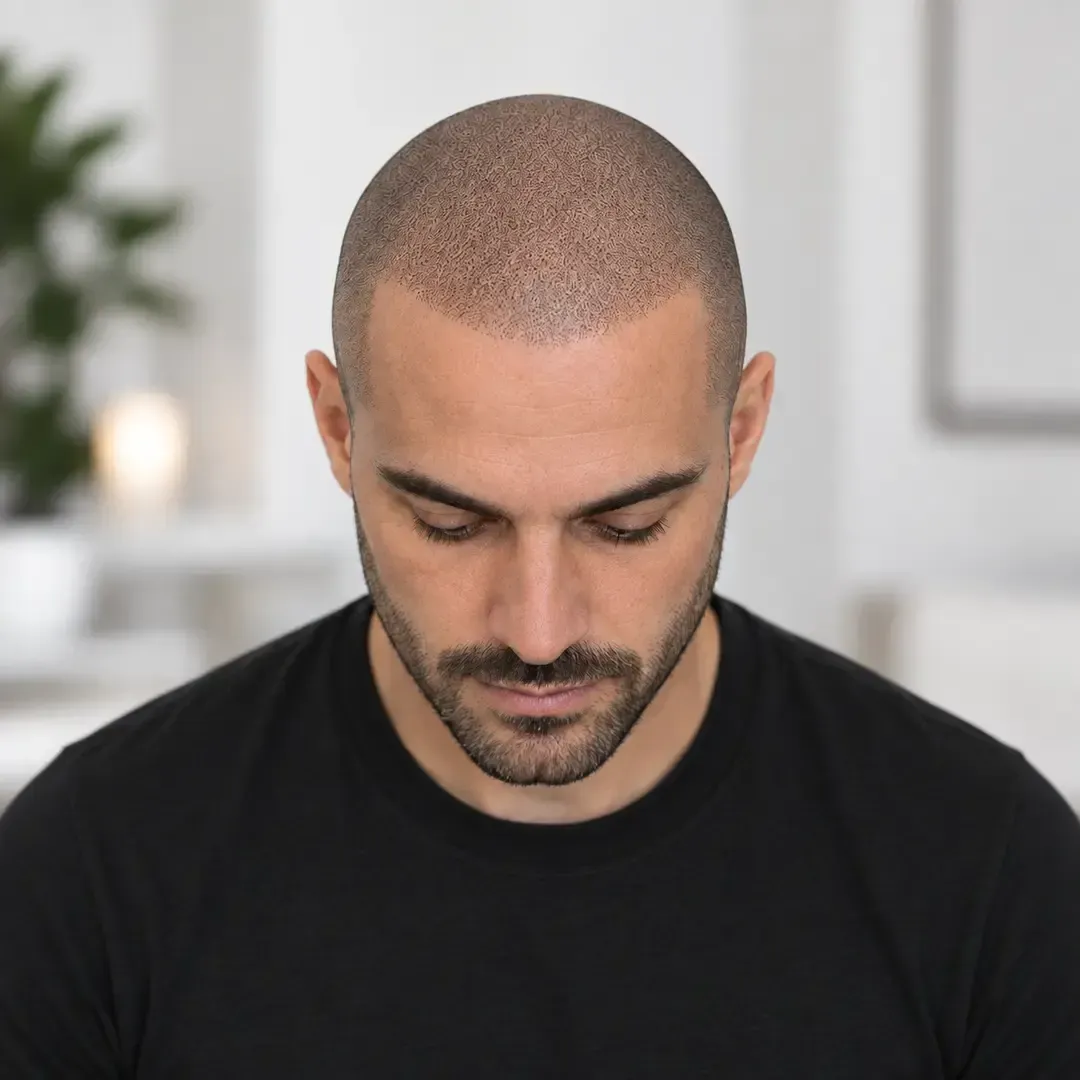
For men, the most common application is addressing male pattern baldness. Many men choose SMP to create a "buzz-cut" look. This is ideal for those who have lost a significant amount of hair and want to look like they have a full head of hair that they simply choose to shave close. We can redefine a receding hairline, fill in a thinning crown, and ensure the transition between the remaining natural hair and the pigmented area is seamless. Scalp Micropigmentation for Men explains how we recreate those youthful hairlines that many men thought were gone for good.
Micropigmentation for Hair Loss in Women
Women often experience hair loss differently, usually as a general thinning across the entire scalp rather than a receding hairline. This can be caused by genetics, hormonal changes (like post-pregnancy or menopause), or stress. For women, SMP is used to add "density." By pigmenting the scalp to match the natural hair color, we reduce the contrast between the hair and the skin. This prevents the scalp from "shining through" under bright lights, making the hair look significantly thicker. Scalp Micropigmentation for Women details how this non-invasive approach helps women regain their confidence without the need for daily hair fibers or uncomfortable toppers.
Camouflaging Scars and Alopecia
SMP is also a "magical" tool for camouflaging scars. Many of our clients come to us with linear scars from older FUT (Follicular Unit Transplantation) surgeries or small "dot" scars from FUE (Follicular Unit Excision) procedures. By blending pigment into the scar tissue, we can make these marks virtually invisible.
Additionally, we work with patients suffering from various forms of alopecia, including Alopecia Areata (patchy loss) and Alopecia Totalis (complete loss). For those with unpredictable hair loss, SMP provides a stable, permanent "base" of color so that patches are less noticeable as they come and go. Scalp Micropigmentation for Alopecia covers how we help patients manage these challenging conditions.
The Procedure: What to Expect During Treatment
Entering a clinic for micropigmentation hair loss treatment shouldn't be intimidating. At Scalpmasters of RI, we treat the process like an artistic collaboration. It’s not a "one and done" appointment; rather, it’s a journey that builds results gradually to ensure the most natural look possible. For a comprehensive look at the timeline, see How Scalp Micropigmentation Works: A Step-by-Step Guide.
Step-by-Step Treatment Process
- Initial Consultation: We start by discussing your goals, looking at your hair loss pattern, and designing a hairline that fits your face shape and age.
- Pigment Matching: We select a pigment shade that perfectly matches your existing hair or your desired "shaved" follicle color.
- The First Session: This is where we lay the "foundation." We apply a lighter density of dots to see how your skin takes the pigment. This session usually lasts 2 to 4 hours.
- Subsequent Sessions: We typically require 2 to 4 sessions in total, spaced about 2 to 4 weeks apart. Each session adds more density and layers different shades of pigment to create a 3D effect. This "layering" is what makes the result look like real hair rather than a flat tattoo.
- Final Perfecting: In the final session, we focus on the fine details—perfecting the hairline and ensuring the blend is flawless.
You can read more about the specifics of the Scalp Micropigmentation Procedure to prepare for your visit.
Recovery and Aftercare for Long-Lasting Results
The recovery for SMP is remarkably easy compared to surgery. You might experience some slight redness for 24 to 48 hours—similar to a mild sunburn—but most people return to work the very next day.
However, the first week is critical for pigment retention. We ask our clients to:
- Keep the scalp dry: No washing or heavy sweating for the first 4 days.
- Avoid the sun: UV rays are the enemy of pigment. Wear a hat or stay in the shade.
- No swimming or saunas: Chlorinated water and intense steam can pull the pigment out before it heals.
- Moisturize: After the initial dry period, keeping the scalp hydrated helps the skin heal smoothly.
Following these Scalp Micropigmentation Maintenance Tips for Long-Lasting Results ensures that your investment stays looking sharp for years to come.
Investment and Longevity: Cost and Maintenance
When considering micropigmentation hair loss solutions, it's important to view it as a long-term investment. Unlike topical fibers that you have to buy every month, or medications you have to take forever, SMP has a clear beginning and a very long "middle." Everything You Need to Know About Scalp Micropigmentation provides a great overview of the value proposition of this treatment.
Understanding the Scalp Micropigmentation Price
While we don't list specific prices here, the cost is generally determined by the "real estate" we need to cover. A small scar camouflage or filling in a slightly thinning crown will naturally be less of an investment than a full-head reconstruction for someone with total baldness. Factors like the complexity of the skin (scar tissue is tougher to work with) and the number of sessions required also play a role. You can learn more about how we evaluate these factors on our Scalp Micropigmentation Price page.
Is Scalp Micropigmentation Permanent?
SMP is considered "semi-permanent" or "long-term." While the pigment is placed in the dermis and won't wash off, your skin is a living organ that constantly regenerates. Over time, the tiny dots will naturally fade as your skin exfoliates and your immune system slowly processes the pigment.
Typically, an SMP treatment lasts between 5 and 10 years before a "refresh" or touch-up is needed. Factors that speed up fading include:
- Unprotected sun exposure: UV rays break down pigment particles.
- Very oily skin: High sebum production can cause pigment to fade faster.
- Harsh chemicals: Using strong exfoliating acids on the scalp.
Most of our clients find that a quick one-session touch-up every few years is all it takes to keep the look perfect. For more on the lifespan of the treatment, see Is Scalp Micropigmentation Permanent?.
Safety, Risks, and Choosing a Practitioner
Safety is our top priority. Because micropigmentation hair loss treatment involves breaking the skin, it must be performed in a sterile, professional environment. While the risks are low, they can include minor infections or allergic reactions if proper protocols aren't followed. Medical insights on SMP safety and histology confirm that when done correctly by a trained professional, SMP is a safe and effective concealer.
There are also aesthetic risks. If an artist uses the wrong ink, goes too deep, or creates a "Lego-head" straight hairline, the results can be difficult to fix. This is why choosing the right specialist is the most important decision you'll make in this process. Explore the Benefits of Scalp Micropigmentation for Hair Loss to see why so many choose this path.
Identifying Qualified SMP Specialists
Don't settle for a traditional tattoo artist who "also does hair." SMP requires specific training, different equipment, and a completely different artistic approach. When looking for a clinic in Rhode Island, Connecticut, or Massachusetts, look for:
- SMP-Specific Training: They should have certifications specifically for Scalp Micropigmentation.
- Health Department Licensing: Ensure they follow all local regulations for body art and sanitation.
- Bloodborne Pathogens Certification: This is a non-negotiable for safety.
- A Strong Portfolio: Look for "healed" results, not just photos taken five minutes after the needle stopped. You want to see how their work looks after a month or a year.
Our guide on How to Choose Scalp Micropigmentation Clinic provides a checklist to help you vet your options safely.
Frequently Asked Questions about Micropigmentation
Does the SMP procedure hurt?
Pain is subjective, but most of our clients describe the sensation as a "light scratching" or a "repetitive tingling." It is generally much less painful than a traditional tattoo because the needles are smaller and don't go as deep. Many of our clients actually find the process relaxing enough to fall asleep during their session! If you're particularly sensitive, we can discuss topical numbing agents to ensure you're comfortable.
How do I find the best SMP clinics near me?
If you're in the New England area, specifically around Cranston, Providence, or Boston, you want a clinic that understands the local community and has a proven track record. Start by reading reviews and looking at local portfolios. Our Scalp Micropigmentation Clinics Near Me Guide is designed to help New England residents find the high-quality care they deserve.
Conclusion
At Scalpmasters of RI, we know that hair loss isn't just about what's on your head—it's about how you feel when you look in the mirror. Based in Cranston, we serve clients throughout Rhode Island, Massachusetts, and Connecticut with a focus on artistic precision and natural-looking results.
Our founder's extensive experience ensures that every hairline is designed with the individual in mind, providing a bespoke solution that restores not just your hair, but your confidence. You don't have to accept hair loss as a permanent part of your life. With micropigmentation hair loss treatment, you can "ink your way back" to the version of yourself you love most.
Ready to see what SMP can do for you? Schedule your consultation today and let us help you rewrite your hair loss story.
Learn More
What's New
Latest Hair Loss Solutions & Guides