
What is SMP? Everything You Need to Know About the Procedure
Hair Loss Affects Millions — Here's What You Can Do About It
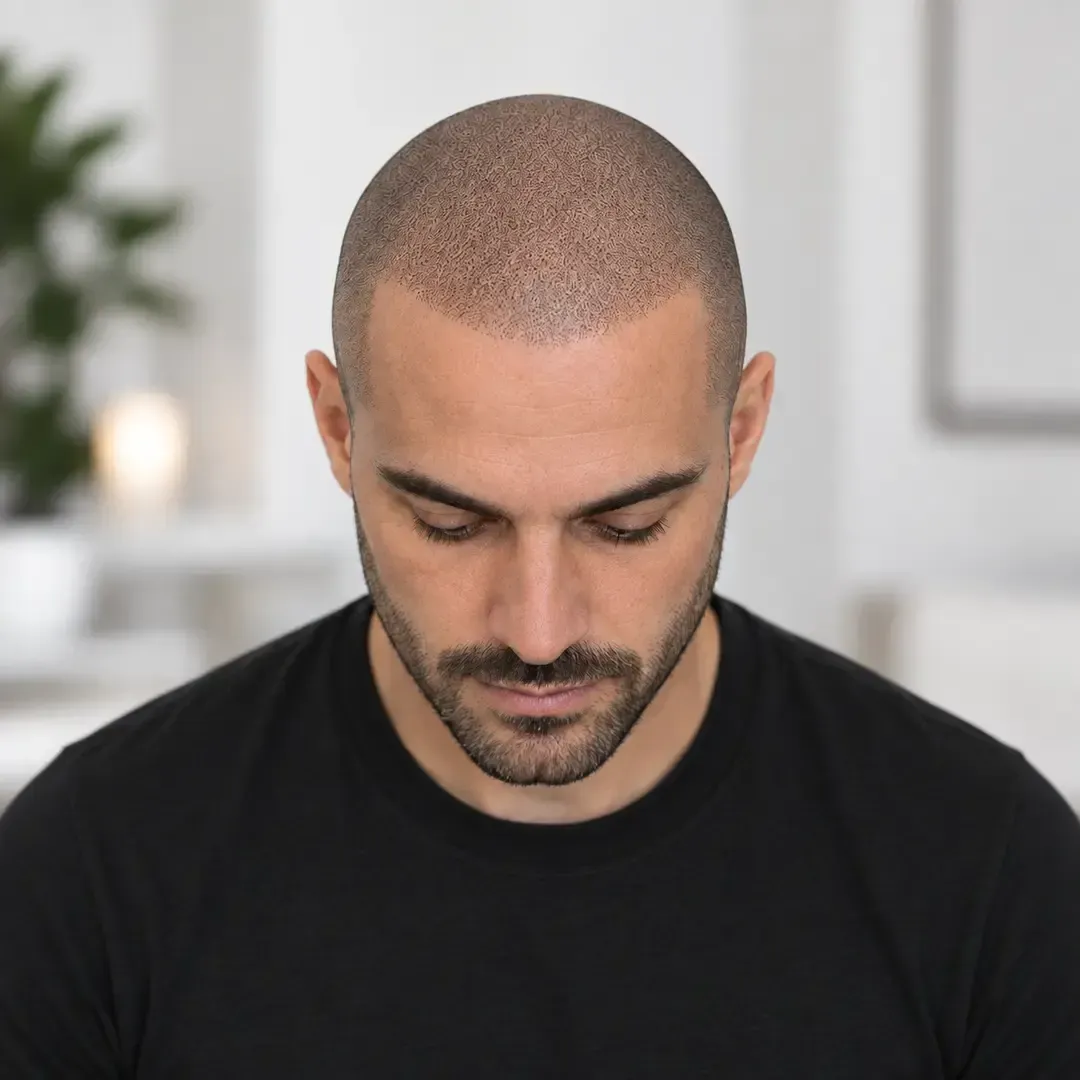
Head tattooing for hair loss — also called scalp micropigmentation (SMP) — is a non-surgical cosmetic procedure that deposits tiny dots of pigment into the scalp to replicate the look of real hair follicles.
Here's a quick summary of what it is and how it works:
- What it is: A specialized tattooing technique that mimics the appearance of a closely-shaved head or adds visual density to thinning hair
- Who it's for: Men and women experiencing pattern baldness, alopecia, thinning hair, or scalp scarring
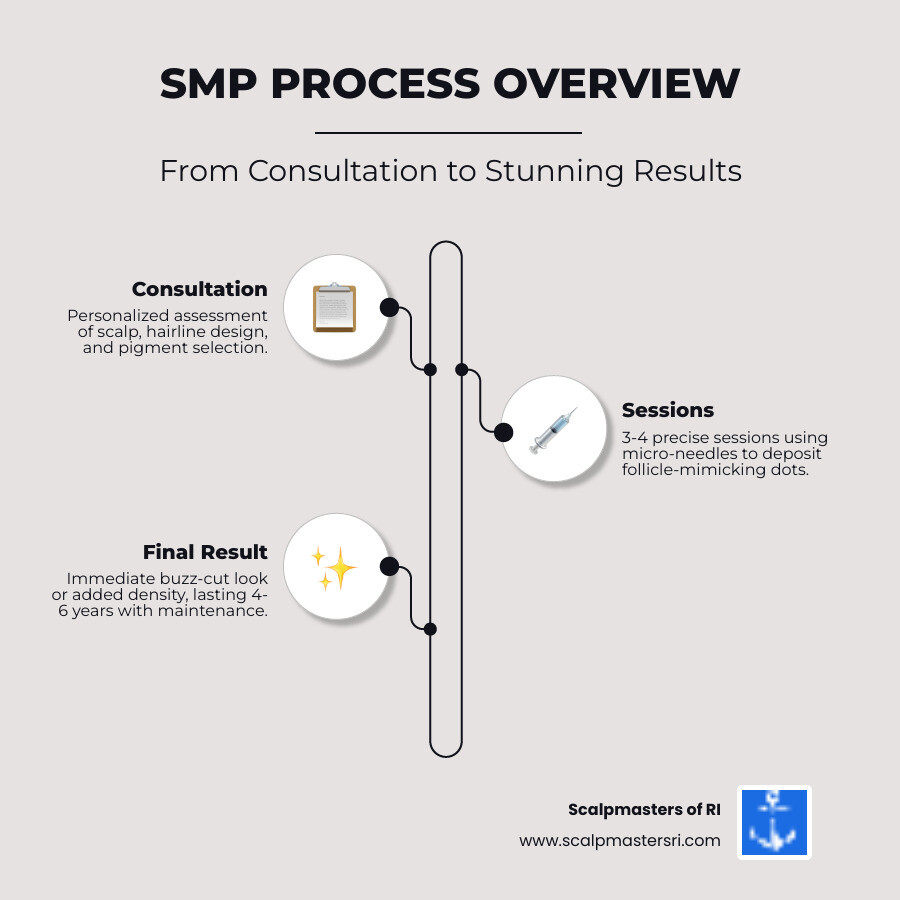
- How long it takes: Typically 3 to 4 sessions, each lasting a few hours
- How long it lasts: 4 to 6 years with proper care, with periodic touch-ups
- Does it hurt? Minimal discomfort — topical numbing is applied beforehand
- Is it safe? Yes, when performed by a qualified, experienced practitioner
Hair loss is incredibly common. Androgenetic alopecia alone affects roughly 80% of men and 50% of women at some point in their lives. And the impact goes far beyond appearance — it can quietly chip away at confidence, affect how you show up at work, and change how you feel in everyday social situations.
Many people spend years cycling through medications, expensive transplants, or temporary cover-ups — often with disappointing results.
SMP offers something different: immediate, predictable, low-maintenance results — without surgery, without scarring, and without a long recovery.
This guide covers everything you need to know — how the procedure works, who it's right for, what it costs, and how to find a provider you can trust.
What is Head Tattooing for Hair Loss?
If you’ve ever looked into solutions for thinning hair, you’ve likely come across the term Scalp Micropigmentation (SMP). But what exactly is it? At its core, SMP is a highly sophisticated form of cosmetic tattooing. However, don't mistake it for a traditional body tattoo. While a standard tattoo uses thick needles and inks that can "bleed" or change color over time, SMP utilizes specialized micro-needles and medical-grade pigments designed specifically for the scalp.
We use a technique called pointillism—the art of creating an image using thousands of tiny dots. By depositing these dots into the epidermal layer (the upper layer of the skin), we can replicate the exact look of a natural hair follicle. For someone who is completely bald, this creates the clean, sharp look of a "buzz cut" or a freshly shaved head. For those with thinning hair, it adds a layer of "shadow" on the scalp, which eliminates the high contrast between skin and hair, making the hair look significantly thicker.
The beauty of a head tattoo for baldness is its realism. Because the pigment is placed more superficially than a traditional tattoo, the dots remain crisp and don't blur into a solid mass of color. It is a form of reconstructive artistry that requires a deep understanding of hair growth patterns, skin tones, and facial anatomy to ensure the results look indistinguishable from real hair.
The Scalp Micropigmentation Procedure: What to Expect
Walking into your first session can feel a bit nerve-wracking, but the process is actually quite straightforward and relaxing. We focus on precision and comfort at every step.
The journey typically involves 3 to 4 sessions. Why so many? Because we believe in building realism through layering.
- Session One: This is where we lay the foundation. We establish the new hairline and apply the first "base" layer of density. It’s better to be conservative in the first session—we can always add more, but we want to ensure the tone and placement are perfect.
- Session Two: Usually scheduled a week or two later, this session is where the magic happens. We add more "follicles," varying the shades and angles to create 3D depth and texture.
- Session Three & Four: These are for refinement. We inspect how the pigment has settled and add finishing touches to ensure a seamless blend with any existing natural hair.
Each session can last anywhere from 2 to 5 hours depending on the area we are covering. You’ll be able to see a transformation immediately after the first appointment, though the full, perfected look emerges after the final session has healed. For more technical details, you can read everything you need to know about scalp tattooing.
Preparing for Your Head Tattooing for Hair Loss Session
To get the best results, a little prep work goes a long way. Think of your scalp as a canvas—the smoother and healthier it is, the better the pigment will take.
- Exfoliate: A few days before your appointment, gently exfoliate your scalp to remove dead skin cells. This helps the needle penetrate cleanly.
- Hydrate: Drink plenty of water. Hydrated skin is more supple and heals faster.
- Avoid Blood Thinners: Try to avoid aspirin or ibuprofen for 48 hours before treatment, as these can increase sensitivity and minor bleeding.
- Alcohol Restrictions: Skip the beer or cocktails for at least 24 hours before your session. Alcohol thins the blood and can affect how the pigment settles.
- Wash Up: On the day of your session, wash your hair and scalp thoroughly. You won't be able to get your head wet for a few days afterward, so a fresh start is essential.
If you are still on the fence, check out our guide on considering a hairline tattoo: what you need to know for more preparation tips.
Recovery and Long-Term Maintenance
One of the biggest draws of SMP is that there is virtually no "downtime." You can usually go back to work the next day. However, your scalp will be slightly red (similar to a mild sunburn) for 24 to 72 hours.
The aftercare protocol is simple but vital:
- Keep it Dry: Avoid washing your head or heavy sweating for the first 4 to 5 days.
- Sun Protection: This is the big one! UV rays are the enemy of pigment. Once healed, always wear sunscreen or a hat when outdoors.
- No Scrubbing: Let the scalp heal naturally. Don't pick at any tiny scabs that may form.
In terms of longevity, head tattooing for hair loss typically lasts 4 to 6 years. Because the pigment is placed in the upper dermis, it will naturally fade very slowly over time. This is actually a benefit—as we age and our natural hair turns grey or our facial structure changes, we can adjust the hairline during a touch-up session to keep it looking age-appropriate. Curious about the specifics of hairlines? Read more on how hairline tattoos can correct receding hairlines.
Benefits and Ideal Candidates for SMP
Is SMP right for you? In our experience in Rhode Island and across New England, we’ve seen it work wonders for a huge range of people.
| Benefit | Description |
|---|---|
| Non-Surgical | No scalpels, no stitches, and no scarring. |
| Immediate Results | You walk out of the first session with a visible hairline. |
| Low Maintenance | No more daily medications, messy fibers, or expensive shampoos. |
| Cost-Effective | Significantly cheaper than a hair transplant over the long term. |
| Versatile | Works for all skin types, ethnicities, and stages of hair loss. |
Who are the ideal candidates?
- Men with Pattern Baldness: Whether you have a receding hairline or a thinning crown, SMP can restore a youthful frame to your face.
- Women with Thinning Hair: About 50% of women experience hair loss. SMP is fantastic for filling in a widening part or thinning temples, creating a balding cover up that looks completely natural.
- Alopecia Patients: For those with alopecia areata or totalis, SMP offers a permanent way to "forget" about the condition and regain a sense of self. You can find more specialized info on head tattoo for alopecia here.
Who Should Avoid Head Tattooing for Hair Loss?
While SMP is safe for most, there are a few exceptions. We always recommend a consultation to be sure, but you might need to reconsider or delay treatment if you have:
- A History of Keloid Scarring: If your body overproduces scar tissue, the micro-needling could trigger a keloid.
- Scalp Psoriasis or Dermatitis: Active flare-ups make it impossible to deposit pigment evenly. We need the skin to be calm and healthy.
- Severe Allergic Sensitivities: While rare, some people may be sensitive to pigments. We can perform a patch test to be safe.
For more on safety, check out our page on the hair loss tattoo.
Costs, Risks, and Choosing a Provider
When you're looking for a provider in Cranston, Boston, or anywhere in the New England area, you are choosing an artist, not just a technician.
Pricing Factors The cost of SMP varies based on the "real estate" we need to cover. A small scar camouflage will naturally cost less than a full scalp reconstruction for someone with total hair loss. While it is a significant investment—typically ranging from $2,000 to $5,000—it is a one-time cost that lasts for years, unlike the recurring costs of medications or hairpieces.
Potential Risks When done by an amateur, risks include infection, "blue" or "green" color shifts (from using cheap tattoo ink), or pigment migration (where the dots blur together). However, with a licensed professional using sterile, single-use needles and specialized SMP pigments, these risks are extremely low.
Choosing a Provider Always look at a hair restoration tattoo provider’s portfolio. Do the hairlines look "helmet-like" and too straight, or are they soft and feathered? Do the colors match the client's skin tone? At Scalpmasters of RI, we pride ourselves on the "undetectable" finish—the kind where even your barber won't know you've had it done.
Frequently Asked Questions about SMP
Does scalp micropigmentation hurt?
Most of our clients describe the feeling as a light "pinprick" or a "scratching" sensation. It is significantly less painful than a traditional body tattoo because we aren't going as deep into the skin. We also apply a topical numbing agent to keep you comfortable. Most people find they can easily chat or listen to music during the session.
Is SMP permanent?
It is considered "semi-permanent" or "long-lasting." Unlike a traditional tattoo that stays forever (and often turns an ugly shade of blue), SMP pigments are designed to fade gracefully over many years. This allows for adjustments as you get older. If you ever decided you wanted it gone entirely, it can be removed with standard laser tattoo removal, usually much faster than a regular tattoo because the pigment is so shallow.
Can SMP hide hair transplant scars?
Absolutely. This is one of our most popular requests. Whether you have a "strip" scar (FUT) or "dot" scars (FUE) from a previous transplant, we can tattoo over the scar tissue to blend it with the rest of your hair. It makes those scars virtually disappear, giving you the confidence to wear your hair short again. Learn more about the bald head tattoo and scar camouflage.
Conclusion
Hair loss doesn't have to be something you just "deal with." At Scalpmasters of RI, we’ve seen how a few sessions of head tattooing for hair loss can completely change a person's outlook. Whether you're in Cranston, Rhode Island, or traveling from Boston, our goal is to provide a level of artistic precision that restores more than just your hairline—it restores your confidence.
SMP is a safe, effective, and immediate solution for anyone tired of the struggle with thinning hair. If you’re ready to see what's possible, we’re here to help.
Ready to see the new you? Redefine your look with scalp micropigmentation for men and book your consultation with us today.
Learn More
What's New
Latest Hair Loss Solutions & Guides