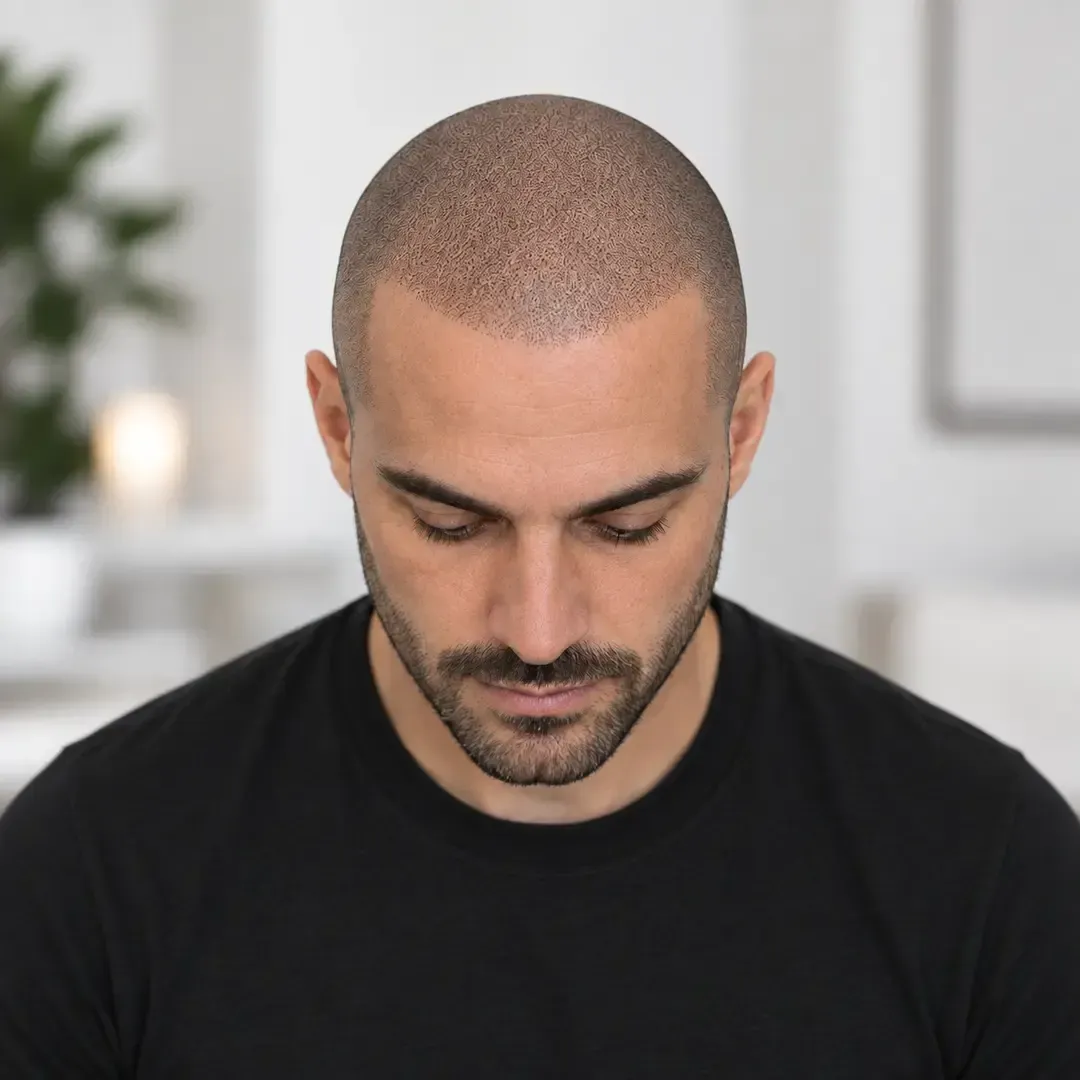

The Bald Truth About Scalp Pigmentation Treatment
What Is Scalp Pigmentation Treatment — and Can It Help You?
Scalp pigmentation treatment is a non-surgical cosmetic procedure that uses micro-needles to deposit tiny dots of medical-grade pigment into the scalp, creating the realistic appearance of hair follicles. It's sometimes called a "hair tattoo" — but it's quite different from traditional tattooing.
Here's a quick summary of what you need to know:
- What it does: Mimics the look of real hair follicles to camouflage thinning hair, bald spots, receding hairlines, and scalp scars
- Who it's for: Men and women with pattern baldness, alopecia, chemotherapy-related hair loss, or visible scalp scars
- How many sessions: Typically 2–4 sessions spaced a few weeks apart
- How long it lasts: Usually 4–6 years with proper care
- Does it grow hair? No — it's cosmetic camouflage, not a hair growth treatment
- Is it painful? Most patients report minimal discomfort; numbing cream is applied beforehand
- Insurance coverage: Not covered — it's considered an elective cosmetic procedure
Hair loss affects a lot of people. More than half of white men show some signs of male pattern hair loss. And over 50% of women experience noticeable hair loss — especially after age 40 or during menopause. For many, it quietly chips away at self-confidence every single day.
The good news? Scalp pigmentation treatment offers a proven, low-maintenance path back to looking — and feeling — like yourself again. No surgery. No recovery time. Just realistic, natural-looking results.
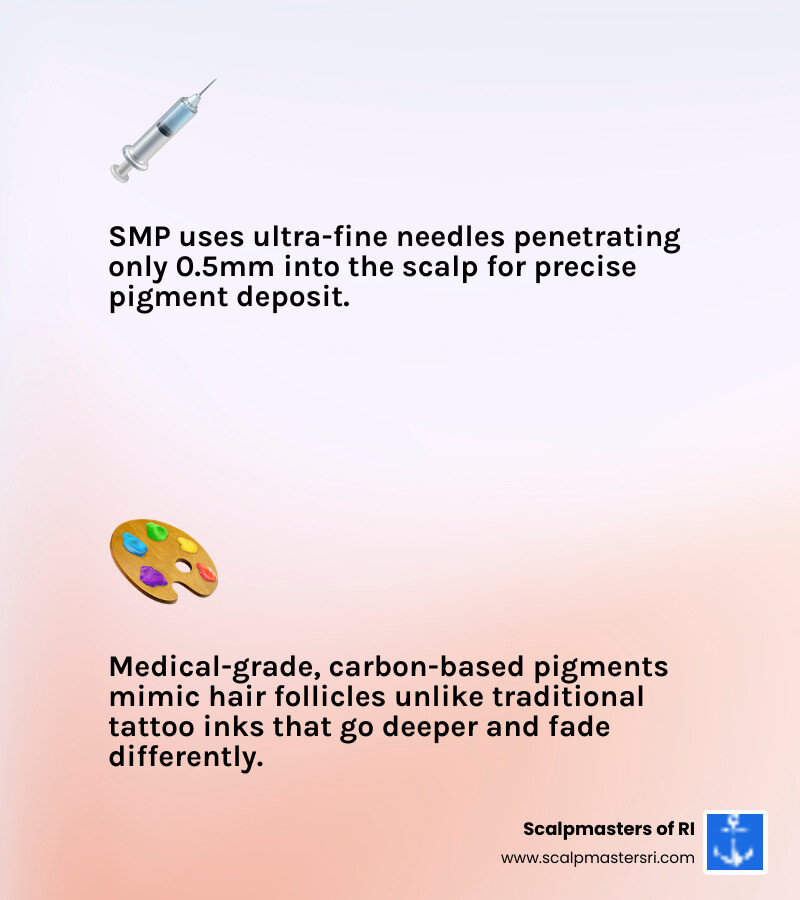
Understanding the Basics of Scalp Micropigmentation (SMP)
At its core, what is SMP? Scalp Micropigmentation is a highly specialized process that sits at the intersection of medical science and artistic tattooing. Unlike a traditional tattoo you might get on your arm, SMP uses specialized equipment and medical-grade pigments designed specifically for the unique environment of the human scalp.
The goal is follicle replication. By depositing thousands of tiny, precise dots of pigment into the upper layer of the skin, we create an optical illusion. For those who are completely bald, it creates the look of a fresh, clean "buzz cut." For those with thinning hair, it adds a layer of "shadow" to the scalp, reducing the contrast between skin and hair to make your existing locks look significantly thicker.
One of the most important things to know about scalp micropigmentation is that the pigments used are typically carbon-based and grayscale. This prevents the "blue-green" fading often seen in old-school tattoos. Because the scalp has a high concentration of oil glands, using the right pigment and depth is critical to ensure the dots stay crisp and don't blur over time.
Who is a Candidate for Scalp Pigmentation Treatment?
You might be wondering if this treatment is right for you. The truth is, SMP is incredibly versatile. Whether you are dealing with a receding hairline, a thinning crown, or total hair loss, scalp pigmentation treatment can be tailored to your specific needs.
For men, it’s often about reclaiming a youthful frame for the face. Scalp micropigmentation for men can recreate a natural-looking hairline that suits your head shape and age. For women, the focus is usually on density. Scalp micropigmentation for women works wonders for those experiencing diffuse thinning, effectively hiding the scalp that "peeks through" the hair.
Addressing Different Types of Hair Loss with Scalp Pigmentation Treatment
We see a wide variety of hair loss conditions in our Cranston office. SMP is particularly effective for:
- Androgenetic Alopecia: This is the most common form of hair loss (male/female pattern baldness). SMP provides a permanent way to "fill in the blanks."
- Alopecia Areata: This autoimmune condition causes patchy hair loss. SMP can camouflage these patches, making them virtually invisible. Learn more about our alopecia solutions.
- Chemotherapy-Related Loss: For those who have lost hair due to medical treatments, SMP can provide a sense of normalcy and confidence during or after recovery.
- Telogen Effluvium: Temporary thinning can be stressful; SMP provides an immediate aesthetic fix while you wait for your natural hair to recover.
Scientific research has shown that SMP has a very high satisfaction rate, with visual density scores improving significantly after treatment.
Camouflaging Scars and Imperfections
One of the most rewarding aspects of our work is scar camouflage. Many of our clients come to us after having hair transplants that left them with visible scarring.
- FUT Scars: The "strip" method often leaves a linear scar across the back of the head.
- FUE Scars: Even "follicular unit extraction" can leave hundreds of tiny "white dot" scars.
- Surgical Scars: We can also treat scars from neurosurgery, accidents, or birthmarks.
By carefully blending pigment into the scar tissue and the surrounding hair, we can make these marks disappear. Check out our specialized services for SMP for scars.
The Procedure: What to Expect During Your Sessions
The journey to a fuller head of "hair" usually takes 2 to 4 sessions. We space these sessions about 10 to 14 days apart. This allows the pigment to settle and the skin to heal, ensuring the best possible color retention.
Each session can last anywhere from 2 to 5 hours, depending on the size of the area we are treating. In the first session, we lay the foundation—setting the hairline and creating a light base layer. Subsequent sessions are used to add density and "texture," layering the dots to create a 3D effect that looks like real hair.
Preparation is simple:
- Wash your scalp thoroughly before your appointment.
- Avoid caffeine and alcohol for 24 hours prior (to minimize sensitivity and bleeding).
- Moisturize your scalp in the days leading up to the appointment to ensure the skin is in top condition.
For a deeper dive, read our step-by-step guide to how SMP works or explore the full procedure details.
Technical Precision in Scalp Pigmentation Treatment
This isn't just "tattooing the head." It requires extreme technical precision. We use a "zero-bleeding protocol," which means the needle depth is strictly controlled—usually around 0.5mm. This is deep enough to reach the upper dermis (where the pigment stays permanent) but shallow enough to prevent the pigment from spreading or "blurring."
We vary the dot density and size to mimic the natural variation of human hair. For example, we might use 0.2mm single-point needles for a soft, natural hairline and slightly larger triple-point needles for the denser crown area. This meticulous attention to detail is what separates a "hair tattoo" from a professional scalp pigmentation treatment.
Pricing and Investment
While we don't list specific prices here (as every head is different!), it's important to understand the value of SMP. Compared to hair transplants, which can cost tens of thousands of dollars and require months of recovery, SMP is a much more cost-effective and immediate solution.
That SMP is considered an elective cosmetic procedure. This means insurance companies generally do not cover it. However, when you consider that it lasts for years and requires no expensive medications or special shampoos, the long-term value is undeniable. It is an investment in your confidence.
Longevity, Aftercare, and Maintaining Your Results
Once your sessions are complete, your new look can last anywhere from 4 to 6 years. Some clients even find their results look great for up to 10 years! However, the longevity of your scalp pigmentation treatment depends heavily on how you care for it.
The Golden Rules of SMP Aftercare:
- No Washing: Avoid getting your scalp wet for the first 3-4 days after a session.
- No Sweating: Skip the heavy gym sessions and saunas for at least 5-7 days.
- Sun Protection: This is the most important rule. UV rays are the enemy of pigment. Always wear a hat or use high-SPF sunscreen once you are fully healed to prevent fading.
- Moisturize: Keeping the skin healthy helps the pigment stay vibrant.
Over time, the pigment will naturally fade. This is actually a good thing! As we age, our natural hair color and hairlines change. Gradual fading allows us to perform "touch-ups" every few years to adjust your look to your current age and style. You can see the long-term results in our before and after guide.
Frequently Asked Questions about Scalp Pigmentation
Does scalp micropigmentation grow hair?
No. This is a common misconception. SMP is a cosmetic camouflage. It creates the appearance of hair, but it does not stimulate the follicles or change your natural hair growth. It is, however, an excellent way to make existing hair look much thicker.
Is the SMP procedure painful?
Most of our clients describe the sensation as a "mild tingling" or "annoying but manageable." It is significantly less painful than a traditional tattoo because the needles are much smaller and don't go as deep. We also use topical numbing creams to ensure you stay comfortable throughout the process.
How long does scalp micropigmentation last?
Typically, you can expect your results to remain crisp and clear for 4 to 6 years. Factors like skin type (oily skin may fade faster), sun exposure, and your immune system's response will influence the exact timeline. A quick "refresh" session every few years is all it takes to keep it looking perfect.
Conclusion
Hair loss doesn't have to be something you just "accept." At Scalpmasters of RI, we believe everyone deserves to feel confident when they look in the mirror. Based in Cranston, we serve clients throughout Rhode Island, Massachusetts, and Connecticut with a focus on natural artistry and technical excellence.
Our founder’s extensive experience ensures that your hairline won't look like a "stenciled-on" tattoo, but rather a natural extension of your unique features. Whether you're in Boston or Providence, we are here to provide the premier scalp pigmentation treatment in New England.
Ready to take the first step? Book your SMP consultation today or visit us at our Cranston location to see how we can help you reclaim your look.
Learn More
What's New
Latest Hair Loss Solutions & Guides