

Hairline Comeback: Proven Treatments to Stop Receding Hair
Why Finding the Best Treatment for Receding Hairline Matters
The best treatment for receding hairline depends on your specific situation, but here are the most proven options:
Top Treatments for Receding Hairlines:
- Minoxidil (Rogaine)- Over-the-counter topical solution that stimulates hair growth in approximately 40% of users
- Finasteride (Propecia)- Prescription medication that blocks DHT hormone and stops hair loss in 70% of men
- Hair Transplant Surgery- Surgical restoration with up to 99% success rates at reputable clinics
- PRP Therapy- Platelet-rich plasma injections showing positive outcomes in 84% of patients
- Scalp Micropigmentation (SMP)- Non-surgical cosmetic solution that creates the appearance of a fuller hairline immediately
Hair loss affects two-thirds of all men at some point in their lives. By age 70, nearly 80% of males and 50% of females experience thinning or recession.
If you've noticed your hairline creeping back at the temples or thinning at the crown, you're not alone. A 2020 poll found that almost two-thirds of men aged 18-24 were "terrified" of going bald, while 51% of those aged 25-34 found a thinning hairline "frightening."
The good news? There is hope. While there's no cure for androgenetic alopecia (the medical term for pattern baldness), multiple proven treatments can slow progression, encourage regrowth, and restore your confidence.
The key is understanding your options and acting early. Hair follicles that have been inactive for years are much harder to revive than those just starting to thin. That's why finding the right treatment now matters so much.
This guide walks you through everything from FDA-approved medications to surgical options and lifestyle changes. We'll help you understand what works, what doesn't, and how to choose the best path forward for your specific situation.
Understanding Your Receding Hairline: Causes and Stages
A receding hairline often feels like a sneak attack, slowly but surely making its presence known. To effectively fight back, we first need to understand what we're up against. A receding hairline is typically a symptom of androgenetic alopecia, commonly known as male or female pattern baldness. This condition is a natural part of aging that affects nearly 50% of males and females. In the United States alone, approximately 50 million males and 30 million females are affected by it.
The primary culprit behind androgenetic alopecia, especially in men, is a hormone called dihydrotestosterone (DHT). DHT is a derivative of testosterone, and for those genetically predisposed, it can wreak havoc on hair follicles. It essentially causes the hair follicles to shrink, leading to thinner, shorter hairs, and eventually, no hair growth at all. This process accelerates the hair growth cycle and delays regrowth, ultimately leading to hair loss.
Genetics play a significant role. If your father or other close male relatives experienced hair loss, you could be 5-6 times more likely to lose your hair. The pattern of loss may even mirror that of previous generations. So, if your dad's hairline started to recede in a particular way, yours might too.
Beyond age, hormones, and genetics, certain lifestyle factors can also influence the health of your hairline:
- Diet: Poor nutrition can contribute to hair loss. People who don't get enough vitamins and minerals may experience more hair shedding.
- Smoking: Research suggests a link between smoking and early-onset androgenetic alopecia. Smoking can cause oxidative stress and reduce blood flow to hair follicles, which may also contribute to a receding hairline.
- Stress: High stress levels can lead to a condition called telogen effluvium, where a significant number of hair follicles enter the resting phase prematurely, resulting in sudden, widespread hair shedding. While typically temporary, chronic stress can exacerbate existing hair loss conditions.
- Hair Care Practices: Harsh chemicals, excessive heat styling, or tight hairstyles that pull on the hair (like tight ponytails or braids) can cause traction alopecia, leading to hairline recession.
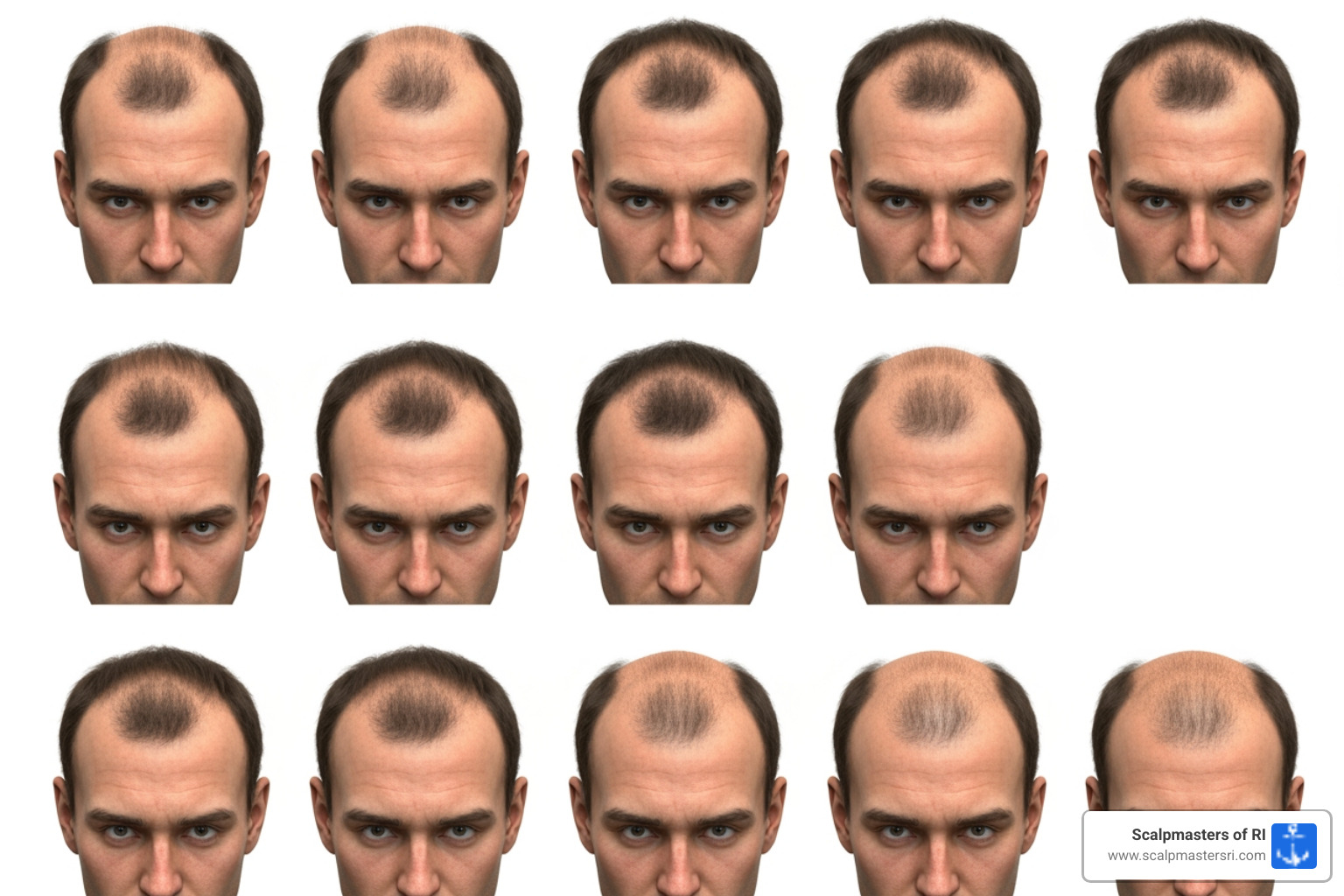
To assess the severity of your receding hairline, doctors often use the Norwood Scale, a seven-stage classification system for male pattern baldness. This scale helps categorize the progression, from a slight recession at the temples (Stage 1 or 2) to widespread baldness with only a band of hair remaining around the sides and back of the head (Stage 7).
How to Assess Your Hairline
Self-assessment is your first step in understanding your hairline. Stand in front of a mirror with good lighting and examine your hairline. Are your temples starting to thin or move backward, creating an "M" shape? Is the hair at your crown becoming less dense? Comparing current photos to ones from a few years ago can be very insightful, revealing subtle changes you might not notice day-to-day.
If you suspect you have an uneven hairline, here's what you can do. The key is to look for consistent changes over time rather than a single bad hair day. When should you be concerned? If you notice rapid shedding, significant thinning, or a noticeable shift in your hairline's shape, it's probably time to consider intervention.
The Impact of Lifestyle on Hair Health
Our daily habits significantly influence not just our overall health, but also the vitality of our hair.
Diet and Nutrition: What we eat literally feeds our hair follicles. A diet lacking essential vitamins and minerals can starve your hair, leading to shedding and slower growth. Key nutrients like iron, zinc, biotin, and vitamins A, C, D, and E are crucial for healthy hair. For example, people who don't get enough vitamins and minerals may experience more hair loss than those with a balanced diet.
Smoking and Reduced Blood Flow: As mentioned, smoking is a major no-no for hair health. It restricts blood flow, meaning less oxygen and fewer nutrients reach your hair follicles. This can contribute to early-onset androgenetic alopecia and make existing hair loss worse.
Stress and Telogen Effluvium: Stress isn't just in your head; it's on your head too! Chronic stress can push a large number of your hair follicles into a resting phase prematurely, causing them to fall out. This condition, telogen effluvium, can be quite alarming, but managing stress through techniques like exercise, meditation, or even just regular breathing exercises can make a huge difference.
Hair Care Practices: Be kind to your hair! Harsh chemicals in some shampoos and styling products, excessive heat from styling tools, and tight hairstyles can all damage hair follicles and contribute to a receding hairline. Opt for gentle products, minimize heat, and avoid styles that constantly pull on your hair. For more tips, check out how to prevent a receding hairline.
A Comprehensive Guide to the Best Treatment for Receding Hairline
Finding the best treatment for receding hairline is a journey, and often, early intervention is your greatest ally. We've seen that the sooner you address hair loss, the better your chances of slowing its progression and even encouraging regrowth. Sometimes, a combination of therapies works best, tackling the problem from multiple angles. It's also crucial to set realistic expectations; hair regrowth is a slow process, and consistency is key.
There are numerous hair loss treatment options for men with receding hair, ranging from topical solutions to surgical procedures. Let's explore them in detail.
Over-the-Counter (OTC) Solutions
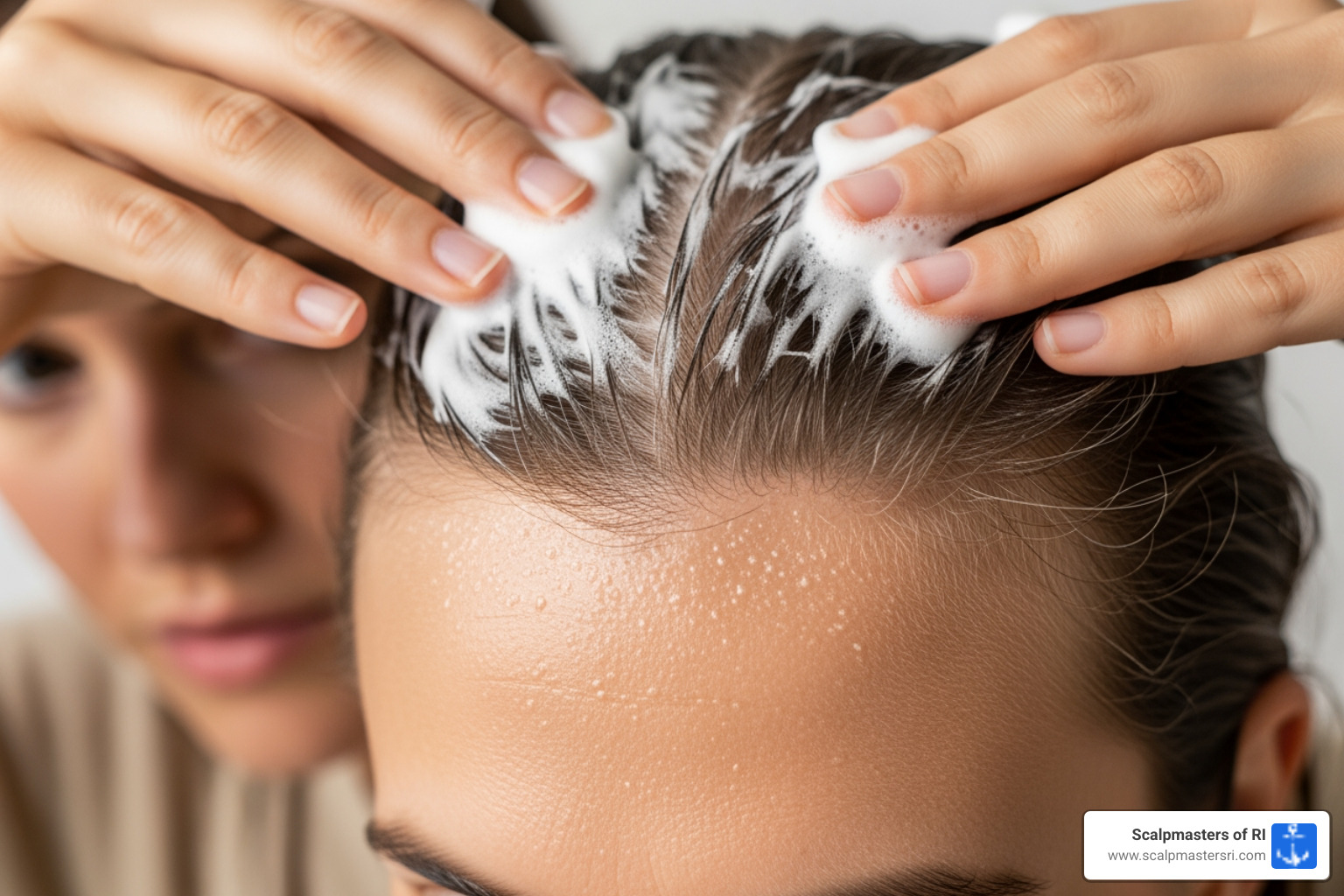
The most recognized OTC solution for hair loss, including receding hairlines, is Minoxidil, often sold under the brand name Rogaine.
- How it Works: Minoxidil is a vasodilator, meaning it widens blood vessels. While the exact mechanism for hair growth isn't fully understood, it's believed to increase blood flow to hair follicles, prolonging their growth phase and stimulating dormant follicles.
- Effectiveness: Research has consistently shown topical minoxidil to work better than a placebo. A 2015 study found that it causes new hair growth in approximately 40 percent of people who use it.
- Delivery Systems: Minoxidil comes in various forms, including foam, liquid solution, and spray. Popular options like Rogaine 5% Minoxidil Foam are widely available. The best delivery system often comes down to personal preference for ease of application and how it feels on your scalp. Some find foam less messy, while others prefer the precision of a spray.
- Potential Side Effects: Common side effects include scalp irritation, dryness, itching, and unwanted hair growth on other parts of the body if the product drips.
- Timeline for Results: Patience is a virtue with Minoxidil. You'll likely need to use it consistently for at least 3-6 months to see initial results, with full effects appearing around 12 months. Continued use is necessary to maintain benefits.
Prescription Medications
For a more targeted approach, prescription medications offer powerful tools in the fight against a receding hairline.
- Finasteride (Propecia): This oral medication is a DHT blocker. It works by inhibiting the enzyme 5-alpha-reductase, which converts testosterone into DHT. By lowering DHT levels, finasteride helps to protect hair follicles from its damaging effects. When taken orally, finasteride has been found to promote scalp hair growth and stop hair loss. It's often considered a cornerstone in the best treatment for receding hairline for many men.
- Dutasteride: Similar to finasteride, dutasteride also blocks DHT, but it inhibits both types of 5-alpha-reductase enzymes, making it potentially more potent. It's often used off-label for hair loss and may be considered when finasteride isn't fully effective.
- Oral vs. Topical Formulations: While finasteride is traditionally an oral pill, topical formulations are also emerging, aiming to reduce systemic side effects.
- Importance of Medical Consultation: These are prescription medications for a reason. Before starting finasteride or dutasteride, it's crucial to consult a doctor. They can assess your suitability, discuss potential side effects, and monitor your progress.
- Potential Side Effects: Finasteride can have side effects, though they are generally uncommon. These may include sexual side effects like decreased libido, erectile dysfunction, and ejaculatory disorders. It's important to discuss these risks thoroughly with your physician.
Comparing Medications: What's the Best Treatment for a Receding Hairline?
When considering the best treatment for receding hairline, Minoxidil and Finasteride often come up as the two heavyweights. They work differently and have distinct profiles, making one potentially more suitable than the other depending on your specific needs.
Here's a quick comparison:
| Feature | Minoxidil (Rogaine) | Finasteride (Propecia) |
|---|---|---|
| Mechanism | Vasodilator, stimulates follicles, prolongs growth phase | DHT blocker, inhibits conversion of testosterone to DHT |
| Application | Topical (liquid, foam, spray) | Oral pill (primarily), topical forms emerging |
| Prescription? | No (Over-the-Counter) | Yes (Prescription only) |
| Efficacy | ~40% new hair growth, slows shedding | Stops hair loss in ~70% of men, promotes regrowth |
| Primary Target | Overall scalp thinning, crown, and hairline | Receding hairline and crown |
| Side Effects | Scalp irritation, dryness, itching, unwanted facial hair | Sexual side effects (low libido, ED), depression (rare) |
| Timeline | 3-6 months for initial results, 12 months for full | 3-6 months for initial results, 12 months for full |
| Cost | Generally lower | Generally higher, but generic versions are available |
While Minoxidil is effective for general thinning and can help thicken the hairline, Finasteride is often considered more potent for directly targeting the hormonal cause of a receding hairline. Many individuals find the best treatment for receding hairline involves a combination of both to maximize results. Discussing these options with a healthcare professional is paramount to determine the most suitable approach for you.
Procedural and Cosmetic Options
Sometimes, medications alone aren't enough, or you might be looking for more immediate or permanent solutions. That's where procedural and cosmetic options come into play.
- Hair Transplant Surgery: This is a surgical solution where hair follicles are moved from a donor area (usually the back or sides of your head) to the thinning or bald areas, like the hairline. The two main types are Follicular Unit Transplantation (FUT) and Follicular Unit Extraction (FUE). Hair transplants can offer natural-looking and permanent results, with success rates as high as 99% at reputable clinics. However, they come with a higher cost, recovery time, and the need for a suitable donor area. You can learn more about Follicular Unit Transplantation.
- Platelet-Rich Plasma (PRP) Therapy: PRP involves drawing your blood, processing it to concentrate the platelets, and then injecting this platelet-rich plasma into your scalp. Platelets contain growth factors that can stimulate hair follicles and promote hair growth. Research indicates that 84% of patients across six studies experienced positive outcomes with PRP therapy. It's a specialized procedure available from qualified medical professionals.
- Low-Level Laser Therapy (LLLT): This non-invasive treatment uses medical-grade lasers or LEDs to stimulate hair follicles. LLLT devices are FDA-approved for hereditary hair loss and can improve hair density, although more research is needed to fully understand its long-term effects.
- Scalp Micropigmentation (SMP): For those seeking an immediate and non-surgical cosmetic solution, Scalp Micropigmentation is a game-changer. SMP is a highly specialized tattooing technique where tiny, natural-looking pigments are applied to the scalp to replicate the appearance of hair follicles. It creates the illusion of a full, shaved head of hair or adds density to thinning areas, effectively redefining a receding hairline. Scalpmasters of RI specializes in delivering precise, confidence-restoring SMP results, offering services like scalp micropigmentation for thinning hair and best scalp micro pigmentation services. It's an excellent option for men looking for a sharp, defined hairline without surgery, and we offer scalp micropigmentation in Boston, MA and throughout New England. You can even consider it if you're thinking about a hairline tattoo.
Choosing the Right Path: What to Consider
Deciding on the best treatment for receding hairline is a personal decision, shaped by many factors. There's no one-size-fits-all answer, and what works wonders for one person might not be the right fit for another. When considering your options, we encourage you to think about:
- Your Stage of Hair Loss: Is it just starting, or is it advanced? Early intervention often allows for less aggressive treatments.
- Your Budget: Treatments range widely in cost, from affordable OTC options to significant investments for surgery.
- Your Lifestyle Commitment: Are you willing to apply a topical solution daily, take a pill regularly, or commit to multiple clinic visits? Consistency is crucial for most treatments.
- Potential Side Effects: Every treatment has potential downsides. Understanding and weighing these against the potential benefits is essential.
To help guide your decision, we often recommend a Q&A with a hair loss specialist to address your concerns.
Choosing the Best Treatment for a Receding Hairline: Key Factors to Consider
When navigating the vast world of hair loss products, it's easy to get overwhelmed. Here's what we tell our clients to look for:
- Key Ingredients: Dermatologists like Dr. Natalie Kash, MD, recommend prioritizing ingredients with proven scientific backing. Chief among these are minoxidil and finasteride. Other ingredients like saw palmetto and rosemary extract have shown some positive clinical studies, and LED therapy has also been well-studied in the hair growth arena.
- Delivery System Impact: How the product is applied matters for both effectiveness and compliance. Whether it's a serum, spray, or foam, choose a system that fits easily into your daily routine. An easy-to-use product increases the likelihood that you'll stick with it. We've seen patients get great results with products like Act+Acre Cold-Processed Stem Cell Scalp Serum and DS Laboratories Revita Hair Density Shampoo, but consistency is the real secret ingredient.
- Compliance is Key: This cannot be stressed enough. Hair regrowth is a slow process. If you can't commit to a treatment for at least six months to a year, you're unlikely to see significant results. Think of it as a marathon, not a sprint.
- Long-Term Commitment: Many hair loss treatments require ongoing use to maintain results. If you stop, you'll likely lose any hair you've gained. Factor this into your decision-making, including the long-term cost and availability of the product.
When to Consult a Professional
While OTC options and self-assessment are good starting points, there are times when professional guidance is invaluable. We strongly recommend consulting a dermatologist or a trichologist (a hair and scalp specialist) if you experience:
- Sudden or Rapid Hair Loss: This could indicate an underlying medical condition that needs urgent attention.
- Patchy Hair Loss: Conditions like alopecia areata often manifest as distinct bald patches and require specific medical diagnosis and treatment.
- Scalp Irritation, Redness, Itching, or Pain: These symptoms could point to a scalp condition that needs to be addressed before any hair growth treatment can be effective.
- Before Starting Prescription Medication: A doctor can determine if medications like finasteride or dutasteride are safe and appropriate for you, and monitor for any side effects.
Finding a qualified professional is easier than ever. You can use online resources like Medical News Today's "Find a Doctor" tool to locate specialists in your area. A dermatologist will likely conduct a physical exam, ask about your diet, hair care routine, and medical/family history, and may order tests like a blood test or scalp biopsy to determine the cause of your hair loss. This diagnostic process is crucial, as the key to treating hair loss is to find out what’s causing it.
Frequently Asked Questions about Hairline Treatments
We hear a lot of questions about receding hairlines and their treatments. Here are some of the most common ones we encounter:
How long does it take to see results from hair loss treatments?
Patience is truly a virtue when it comes to hair regrowth. For most medications like Minoxidil and Finasteride, you'll typically need to use them consistently for at least 3-6 months to notice any initial changes, such as reduced shedding or very fine regrowth. However, full results from hair regrowth treatments may take six months to a year to appear.
For procedural treatments like hair transplants, the growth phases of the transplanted hair mean you won't see the final outcome for 12-18 months. With PRP therapy, multiple sessions are usually required over several months before significant improvements become visible.
The great thing about Scalp Micropigmentation (SMP) is that it offers immediate cosmetic results. You walk out of our Cranston or Boston office with the appearance of a fuller hairline right away!
Can a receding hairline grow back?
This is the million-dollar question, and the answer is nuanced. While there is no cure for a receding hairline caused by androgenetic alopecia, treatments can absolutely help. The prescription drugs finasteride (Propecia) and minoxidil (Rogaine) may help to increase the number of hairs, slowing down the progression and, in many cases, encouraging regrowth in active but miniaturizing follicles.
Early treatment is crucial. Hair follicles that are still alive and merely miniaturizing due to DHT are much more responsive to treatment than those that have completely died off. So, while a fully bald area might not "grow back" hair, a receding hairline with miniaturized hairs often can be significantly improved.
Are natural remedies effective for a receding hairline?
The world of natural remedies is appealing, and some have shown promise, though often in early-stage research. For people looking for natural ways to help treat their receding hairline, animal studies suggest that peppermint and lavender oils may help promote hair growth. However, it's important to note that more rigorous research on humans is needed to fully verify these claims.
While these might play a supporting role in overall hair health, we generally don't recommend them as a primary treatment for a receding hairline, especially for androgenetic alopecia. They are unlikely to offer the same level of efficacy as FDA-approved medications or medical procedures. Always dilute essential oils with a carrier oil (like jojoba or almond oil) before applying them to your scalp to avoid irritation.
For additional tips on how to protect your hairline and promote overall hair health, you can always refer to our guide on how to prevent a receding hairline.
Conclusion: Taking the First Step Towards a Fuller Hairline
Navigating the options for the best treatment for receding hairline can feel overwhelming, but we hope this guide has demystified the process for you. We've explored everything from accessible over-the-counter medications like Minoxidil, to potent prescription drugs like Finasteride, and advanced procedural and cosmetic solutions including hair transplants, PRP, LLLT, and Scalp Micropigmentation.
The most important takeaway is the power of early action. The sooner you address your receding hairline, the more options you'll have and the better your potential results will be. Consistency is key, whether you're applying a topical solution, taking a daily pill, or maintaining a healthy lifestyle.
The best treatment for receding hairline is a personalized one. We encourage you to consult with a dermatologist or trichologist in Rhode Island, Massachusetts, or Connecticut who can accurately diagnose your hair loss and help you craft a custom plan.
For those seeking a non-invasive cosmetic solution, Scalpmasters of RI offers expert Scalp Micropigmentation to create the appearance of a full, natural hairline. Our founder's extensive experience and artistry ensure precise, confidence-restoring results, helping you regain control over your appearance.
We believe in empowering you with knowledge, so you can make informed decisions about the hair loss industry: demystifying products and treatments and confidently take the first step towards a fuller, more youthful hairline.
Learn More
What's New
Latest Hair Loss Solutions & Guides